How to Say "fatigue" in Spanish
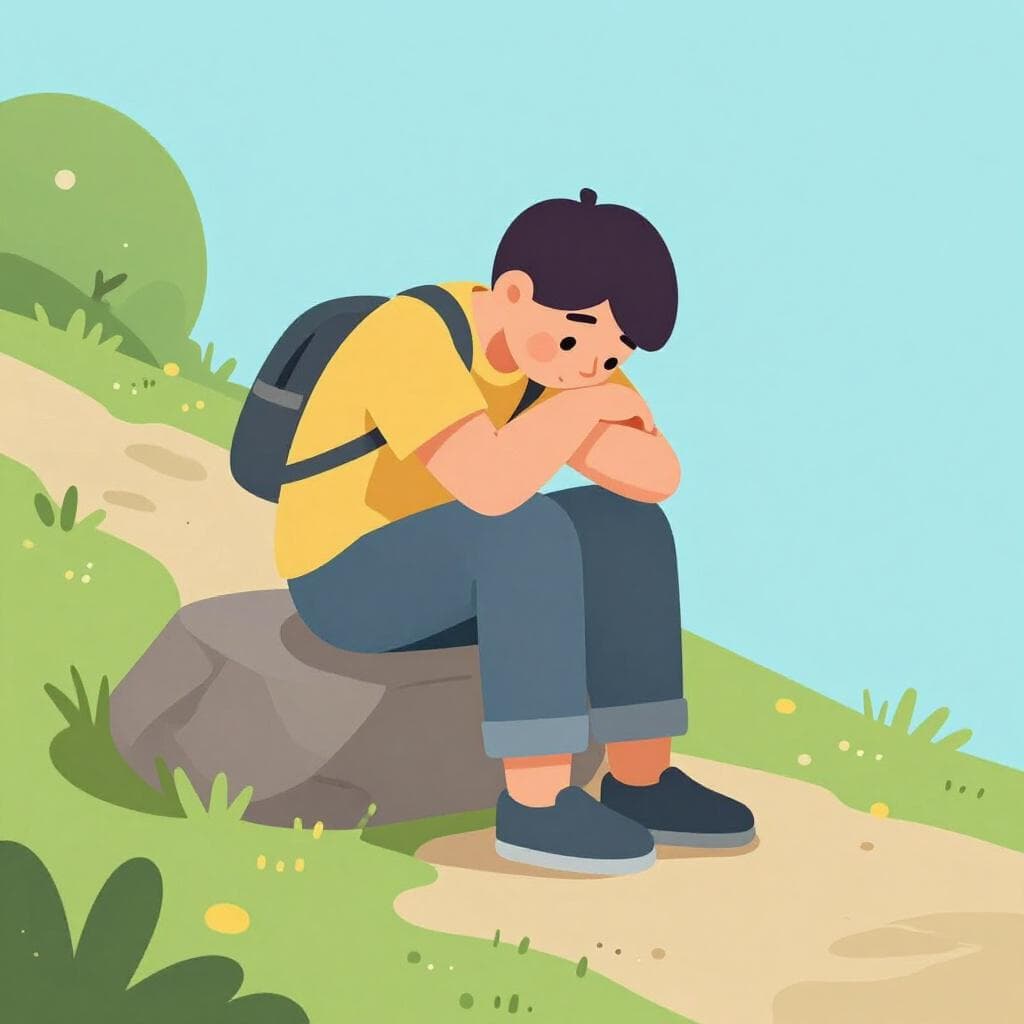
The most common Spanish word for “fatigue” is “cansancio” — use 'cansancio' when referring to general physical or mental tiredness, often after exertion or a long day.

cansancio
kan-SAN-syohkanˈsanθjo

Examples
Tengo mucho cansancio después de correr diez kilómetros.
I am very tired after running ten kilometers.
El cansancio acumulado puede afectar tu salud.
Built-up tiredness can affect your health.
No es solo sueño, es un cansancio mental profundo.
It's not just sleepiness, it's a deep mental weariness.
Using Cansancio vs. Cansado
Use 'cansancio' when you want to name the feeling (it's a noun). Use 'cansado' when you are describing a person (it's a description word).
Paired with 'Tener'
In Spanish, you often 'have' tiredness (Tengo cansancio) rather than just 'being' tired, especially when focusing on the physical sensation itself.
Confusing Nouns and Descriptions
Mistake: “Estoy muy cansancio.”
Correction: Estoy muy cansado (I am very tired) or Tengo mucho cansancio (I have much tiredness). You can't 'be' a noun.
fatiga
fah-TEE-gahfaˈtiɣa
Examples
Siento una gran fatiga después de trabajar doce horas.
I feel great fatigue after working twelve hours.
La fatiga muscular es normal después de ir al gimnasio.
Muscle fatigue is normal after going to the gym.
El descanso es el mejor remedio contra la fatiga crónica.
Rest is the best remedy against chronic fatigue.
Gender of Fatiga
Even though it ends in 'a', it's worth remembering it's always feminine. Use 'la fatiga' or 'mucha fatiga'.
Stronger than Cansancio
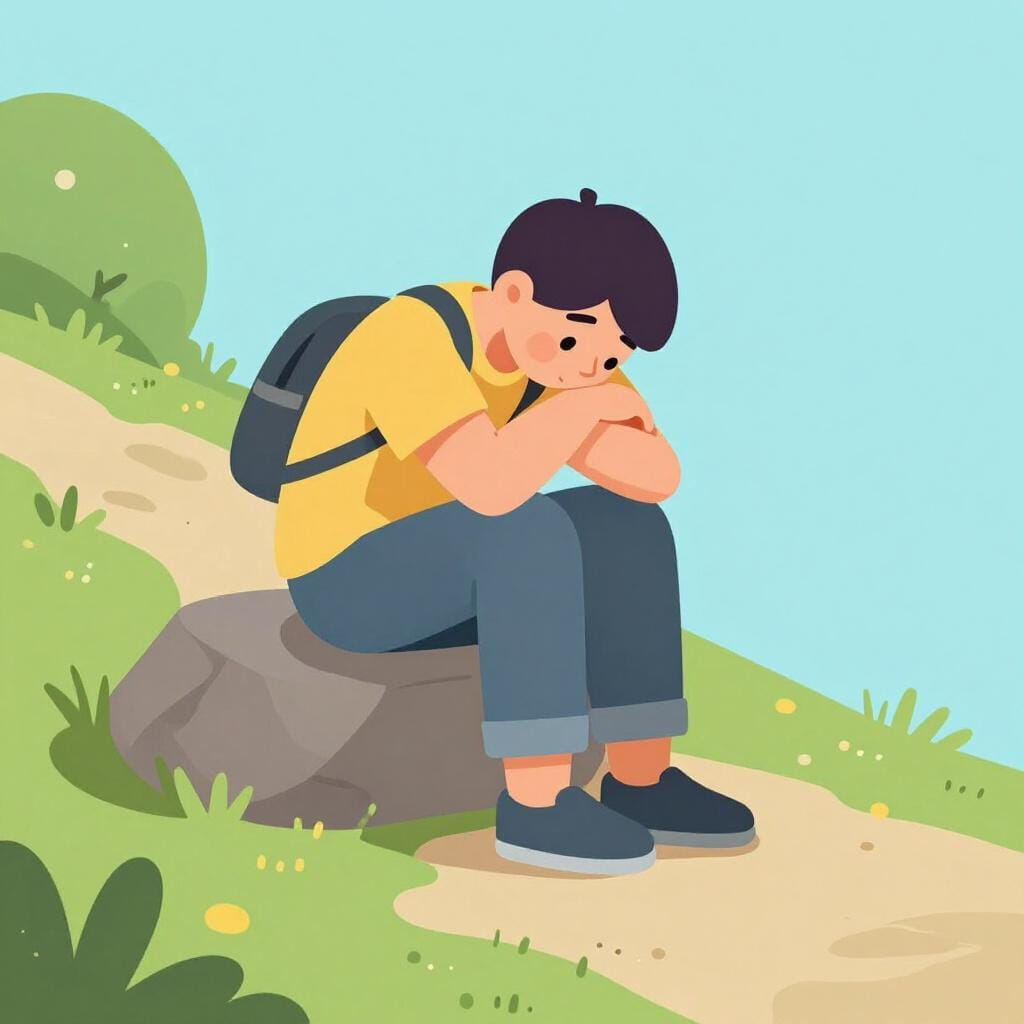
While 'cansancio' is general tiredness, 'fatiga' usually implies a deeper, more heavy exhaustion.
Fatigue vs. Fatigues
Mistake: “Using 'fatigas' to mean army clothes.”
Correction: In Spanish, 'fatiga' refers to the feeling. Army uniforms are called 'uniforme de campaña'.
General vs. Extreme Tiredness
Related Translations
Learn Spanish with Inklingo
Interactive stories, personalized learning, and more.