How to Say "latin american" in Spanish
The most common Spanish word for “latin american” is “latino” — use 'latino' as an adjective when referring to music, culture, or other general concepts that are broadly associated with Latin America, but not exclusively tied to the geographic region.

Use 'latino' as an adjective when referring to music, culture, or other general concepts that are broadly associated with Latin America, but not exclusively tied to the geographic region.
Learn more →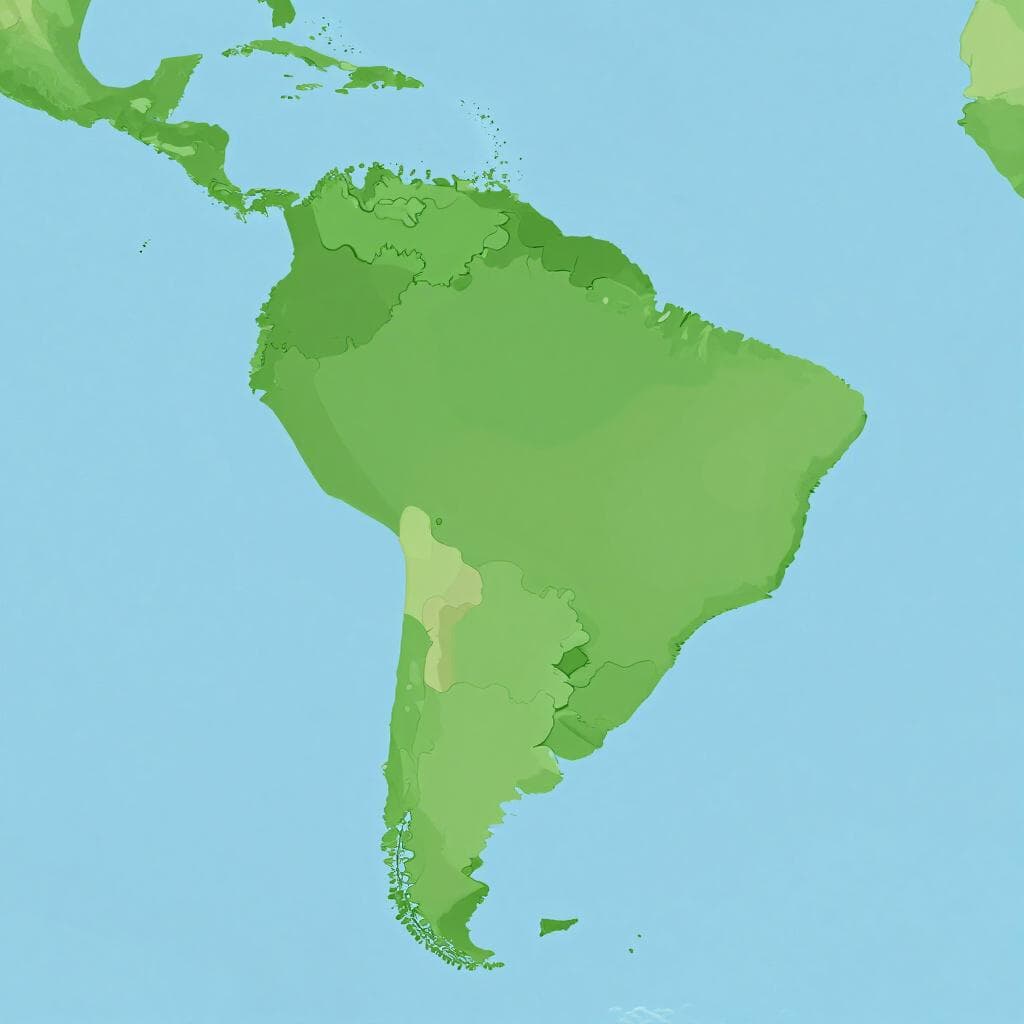
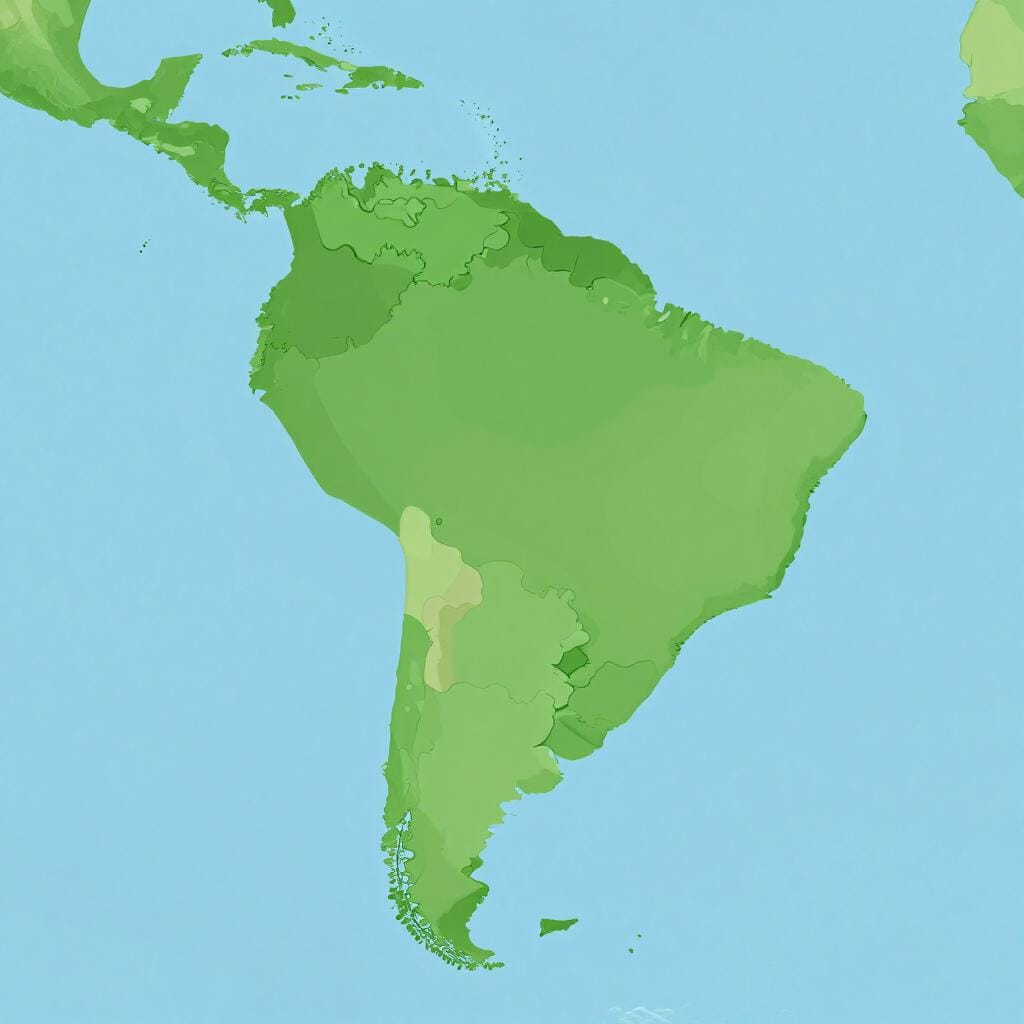
Use 'latinoamericano' as an adjective to specifically describe things or people that originate directly from the geographic region of Latin America.
Learn more →la-TEE-nolaˈtino

Examples
Me encanta la música latina.
I love Latin music.
Él es un actor latino muy famoso en Hollywood.
He is a very famous Latino actor in Hollywood.
La comunidad latina es muy diversa y vibrante.
The Latino community is very diverse and vibrant.
Matching the Ending
This word changes its ending based on who or what you are describing. Use 'latino' for men or mixed groups, and 'latina' for women or feminine objects.
Placement of the Word
In Spanish, 'latino' usually comes after the person or thing it describes. For example, 'un amigo latino' (a Latino friend).
Using 'Latino' for Everyone
Mistake: “Mi hermana es latino.”
Correction: Mi hermana es latina. You must change the 'o' to an 'a' when describing a female.
la-tee-no-a-meh-ree-kah-nolatinoameɾiˈkano
Examples
Me encanta la música latinoamericana.
I love Latin American music.
El café latinoamericano es el mejor del mundo.
Latin American coffee is the best in the world.
Estamos estudiando la historia latinoamericana en clase.
We are studying Latin American history in class.
Juan es latinoamericano.
Juan is Latin American.
Where to put the word
In Spanish, describing words usually go AFTER the person or thing. So, instead of saying 'Latin American music,' you say 'music Latin American' (música latinoamericana).
Changing the ending
This word changes its ending to match what you are talking about. Use 'latinoamericano' for masculine things (like café) and 'latinoamericana' for feminine things (like música).
Skip the 'A'
When you say someone's origin after the word 'is' (ser), you don't need to say 'a'. Instead of 'Juan is a Latin American,' just say 'Juan es latinoamericano.'
Capitalization Error
Mistake: “Soy Latinoamericano.”
Correction: Soy latinoamericano. In Spanish, we don't use capital letters for nationalities or origins unless they start a sentence.
Gender Confusion
Mistake: “Ella es latinoamericano.”
Correction: Ella es latinoamericana. Remember to change the 'o' to an 'a' when talking about a woman.
la-tee-no-a-meh-ree-kah-nolatinoameɾiˈkano
Examples
Juan es latinoamericano.
Juan is Latin American.
Me encanta la música latinoamericana.
I love Latin American music.
El café latinoamericano es el mejor del mundo.
Latin American coffee is the best in the world.
Estamos estudiando la historia latinoamericana en clase.
We are studying Latin American history in class.
Where to put the word
In Spanish, describing words usually go AFTER the person or thing. So, instead of saying 'Latin American music,' you say 'music Latin American' (música latinoamericana).
Changing the ending
This word changes its ending to match what you are talking about. Use 'latinoamericano' for masculine things (like café) and 'latinoamericana' for feminine things (like música).
Skip the 'A'
When you say someone's origin after the word 'is' (ser), you don't need to say 'a'. Instead of 'Juan is a Latin American,' just say 'Juan es latinoamericano.'
Capitalization Error
Mistake: “Soy Latinoamericano.”
Correction: Soy latinoamericano. In Spanish, we don't use capital letters for nationalities or origins unless they start a sentence.
Gender Confusion
Mistake: “Ella es latinoamericano.”
Correction: Ella es latinoamericana. Remember to change the 'o' to an 'a' when talking about a woman.
Choosing between 'latino' and 'latinoamericano'
Learners often confuse 'latino' and 'latinoamericano'. Remember that 'latino' is broader and can refer to culture associated with Latin America, while 'latinoamericano' is more precise and refers specifically to people or things from the geographic region. Use 'latinoamericano' when you mean 'from Latin America'.
Related Translations
Learn Spanish with Inklingo
Interactive stories, personalized learning, and more.