How to Say "merchant" in Spanish
The most common Spanish word for “merchant” is “comerciante” — use 'comerciante' for any modern-day person involved in buying and selling goods, whether wholesale or retail.

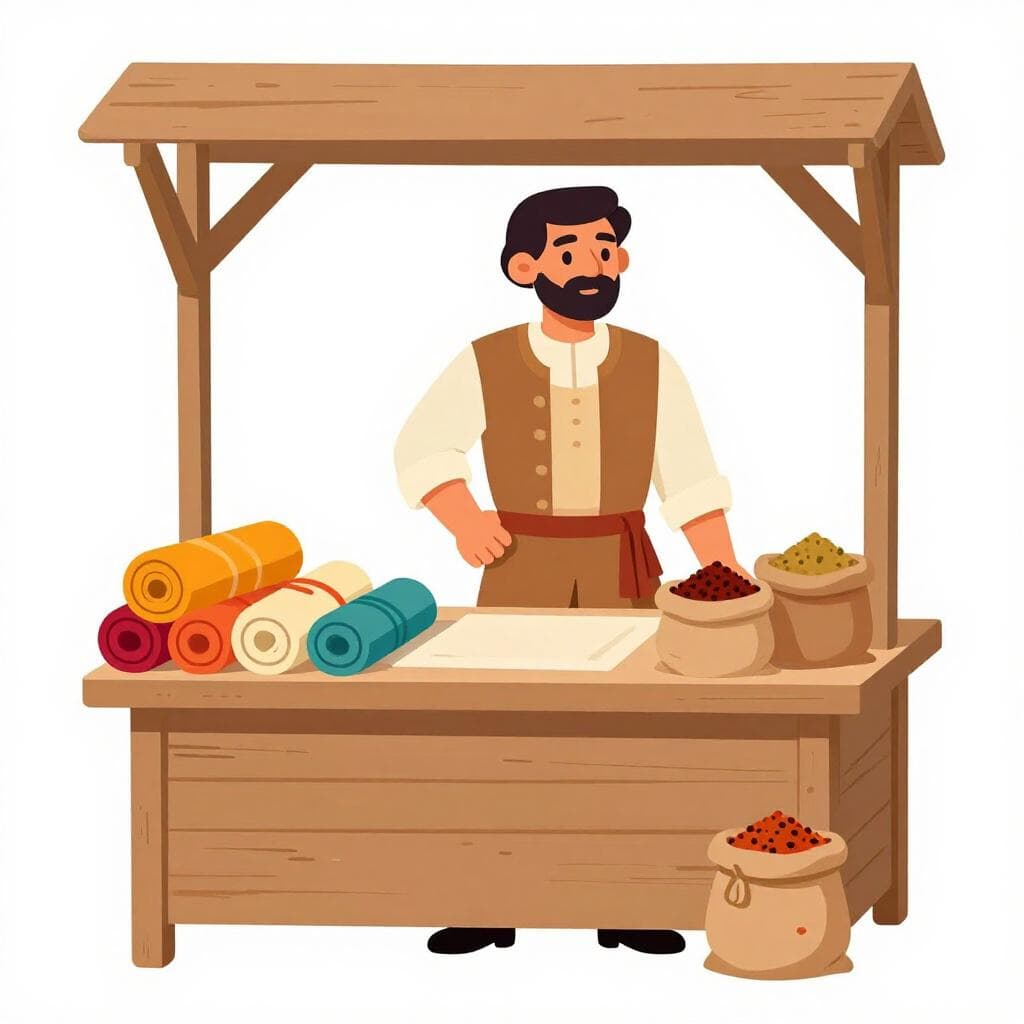
comerciante
ko-mehr-syahn-tehkomeɾˈθjante

Examples
Mi tío es un comerciante de automóviles con una tienda grande.
My uncle is a car merchant with a large dealership.
Mi abuelo era un comerciante de telas muy respetado.
My grandfather was a very respected fabric merchant.
Los comerciantes locales están preocupados por la nueva ley.
Local shopkeepers are worried about the new law.
Para ser un buen comerciante, hay que conocer bien el mercado.
To be a good trader, you have to know the market well.
One Word for Both Genders
This word doesn't change its ending. To show if you are talking about a man or a woman, just change the word 'the' or 'a' in front: 'el comerciante' (the man) or 'la comerciante' (the woman).
Making it Plural
Since it ends in a vowel, just add an -s to make it plural: 'los comerciantes'.
Don't change the ending
Mistake: “La comercianta.”
Correction: La comerciante. Even though many Spanish words change 'o' to 'a' for women, words ending in -ante usually stay the same.
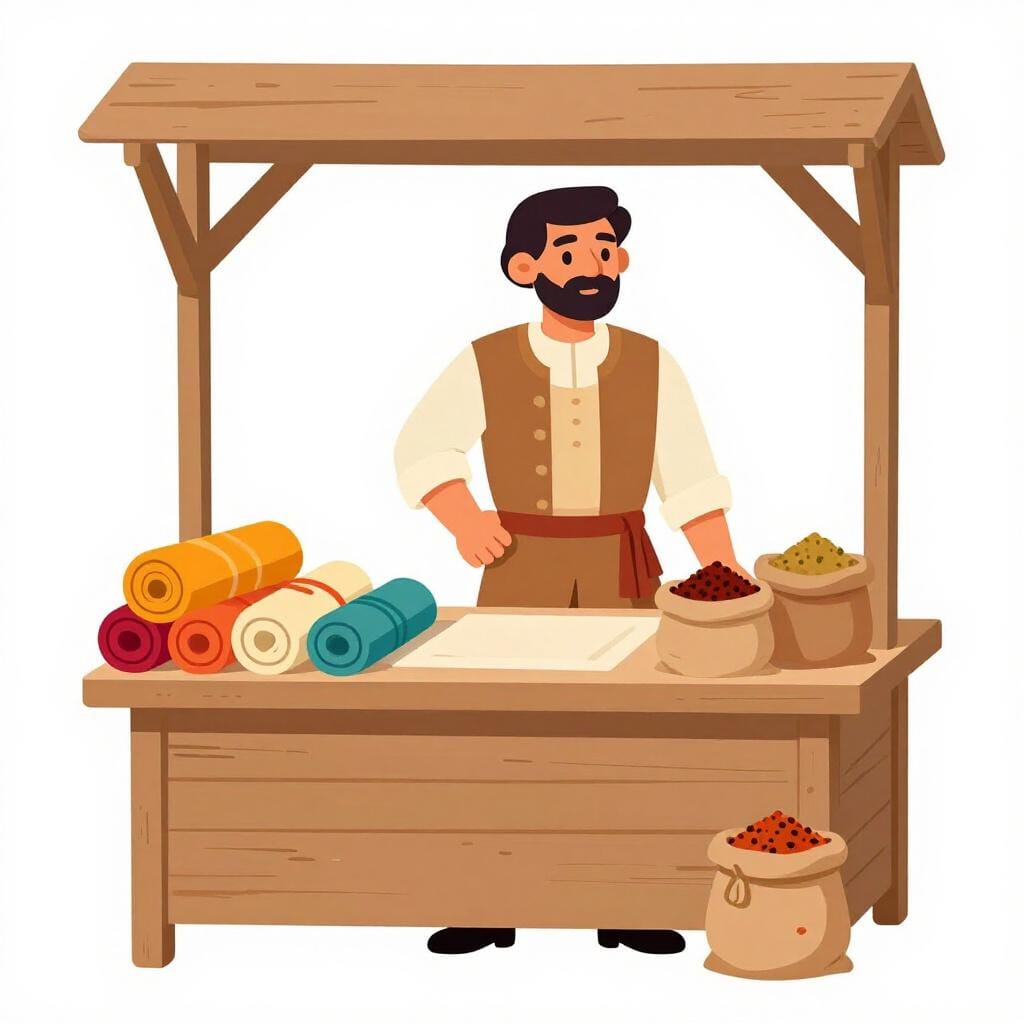
mercader
mer-kah-DERmeɾkaˈðeɾ
Examples
Los mercaderes venecianos controlaban gran parte del comercio en el Mediterráneo.
The Venetian merchants controlled much of the trade in the Mediterranean.
El mercader vendía especias de tierras lejanas.
The merchant sold spices from faraway lands.
En la Edad Media, los mercaderes viajaban en caravanas para protegerse.
In the Middle Ages, merchants traveled in caravans to protect themselves.
Shakespeare escribió 'El mercader de Venecia'.
Shakespeare wrote 'The Merchant of Venice'.
Making it feminine
To talk about a female merchant, simply add an 'a' at the end to make it 'mercadera'.
Plural form
Since this word ends in a consonant (r), you add '-es' to make it plural: 'mercaderes'.
Using it for everyday shopping
Mistake: “Voy al mercader para comprar pan.”
Correction: Voy a la panadería/tienda para comprar pan.
Comerciante vs. Mercader
Related Translations
Learn Spanish with Inklingo
Interactive stories, personalized learning, and more.