How to Say "olive" in Spanish
The most common Spanish word for “olive” is “aceituna” — use 'aceituna' when referring to the individual fruit, typically eaten as a snack or used as an ingredient in dishes.


aceituna
ah-say-too-nahaseiˈtuna

Examples
Me gusta comer aceitunas con mi ensalada.
I like to eat olives with my salad.
¿Prefieres las aceitunas verdes o las negras?
Do you prefer green olives or black ones?
Esta pizza tiene demasiadas aceitunas sin hueso.
This pizza has too many pitted olives.
The Tree vs. The Fruit
In Spanish, the tree is usually a 'boy' and the fruit is a 'girl.' The tree is 'el olivo' (masculine), while the fruit you eat is 'la aceituna' (feminine).
The 'A' Rule Exception
Even though 'aceituna' starts with an 'A', we still use 'la' (la aceituna). This is because the emphasis of the word is on the 'tu' sound, not the first 'A'.
Don't say 'el aceituna'
Mistake: “El aceituna es rico.”
Correction: La aceituna es rica. (Always use the feminine version for the fruit!)
oliva
oh-LEE-bahoˈliβa
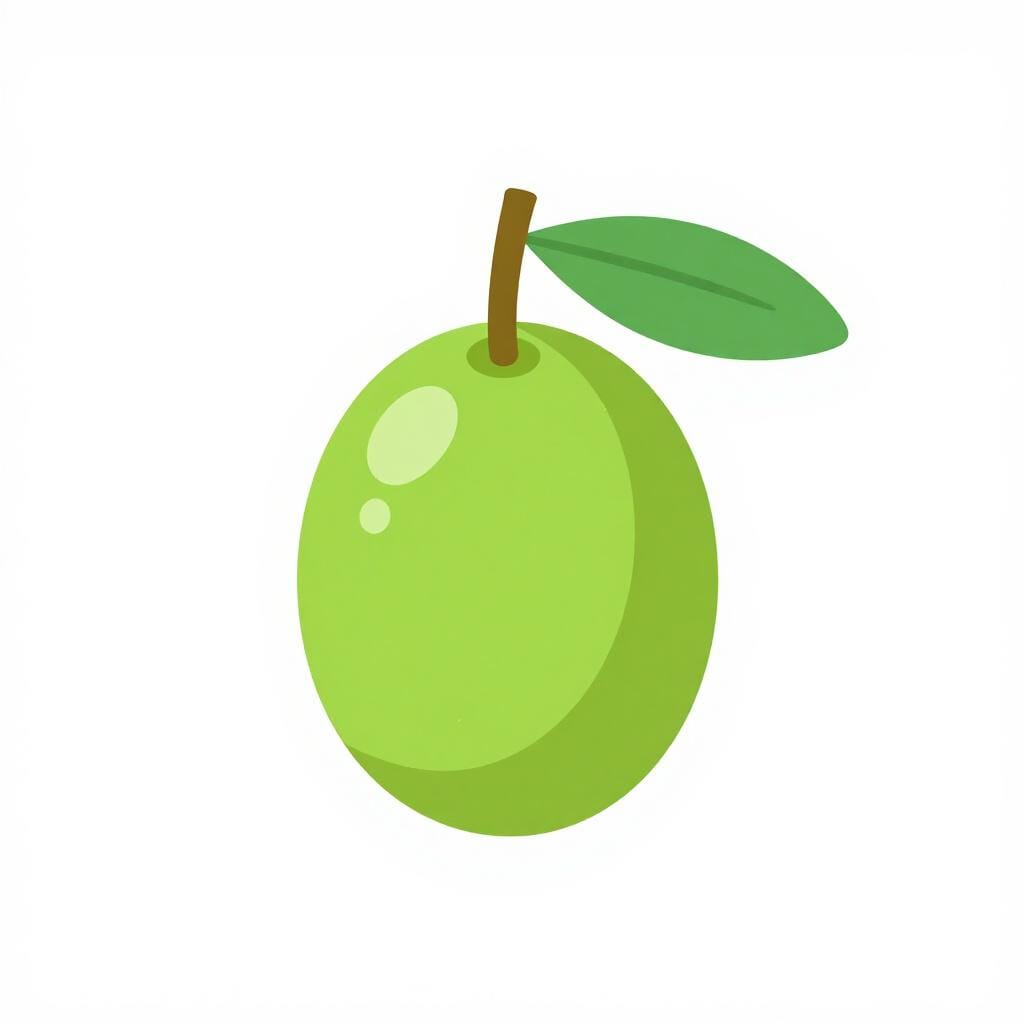
Examples
El aceite de oliva es la base de la cocina española.
Olive oil is the base of Spanish cooking.
Prefiero las olivas verdes a las negras.
I prefer green olives over black ones.
La paloma llevaba una rama de oliva en el pico.
The dove was carrying an olive branch in its beak.
Always Feminine
The word 'oliva' is always feminine. You must use 'la' or 'una' with it, even if you are talking about a large tree or a tiny fruit.
Plural Form
To talk about more than one, simply add an 's' to the end: 'las olivas'.
The 'Oil' Confusion
Mistake: “Aceite de aceituna.”
Correction: Aceite de oliva.
Aceituna vs. Oliva
Related Translations
Learn Spanish with Inklingo
Interactive stories, personalized learning, and more.