How to Say "patriotic" in Spanish
The most common Spanish word for “patriotic” is “patriótico” — use this word to describe an action, object, or expression that visibly demonstrates love or support for one's country, like wearing national colors or displaying symbols.

Use this word to describe an action, object, or expression that visibly demonstrates love or support for one's country, like wearing national colors or displaying symbols.
Learn more →
Choose this term to describe a person's inherent character or deep-seated feelings of loyalty and love for their country.
Learn more →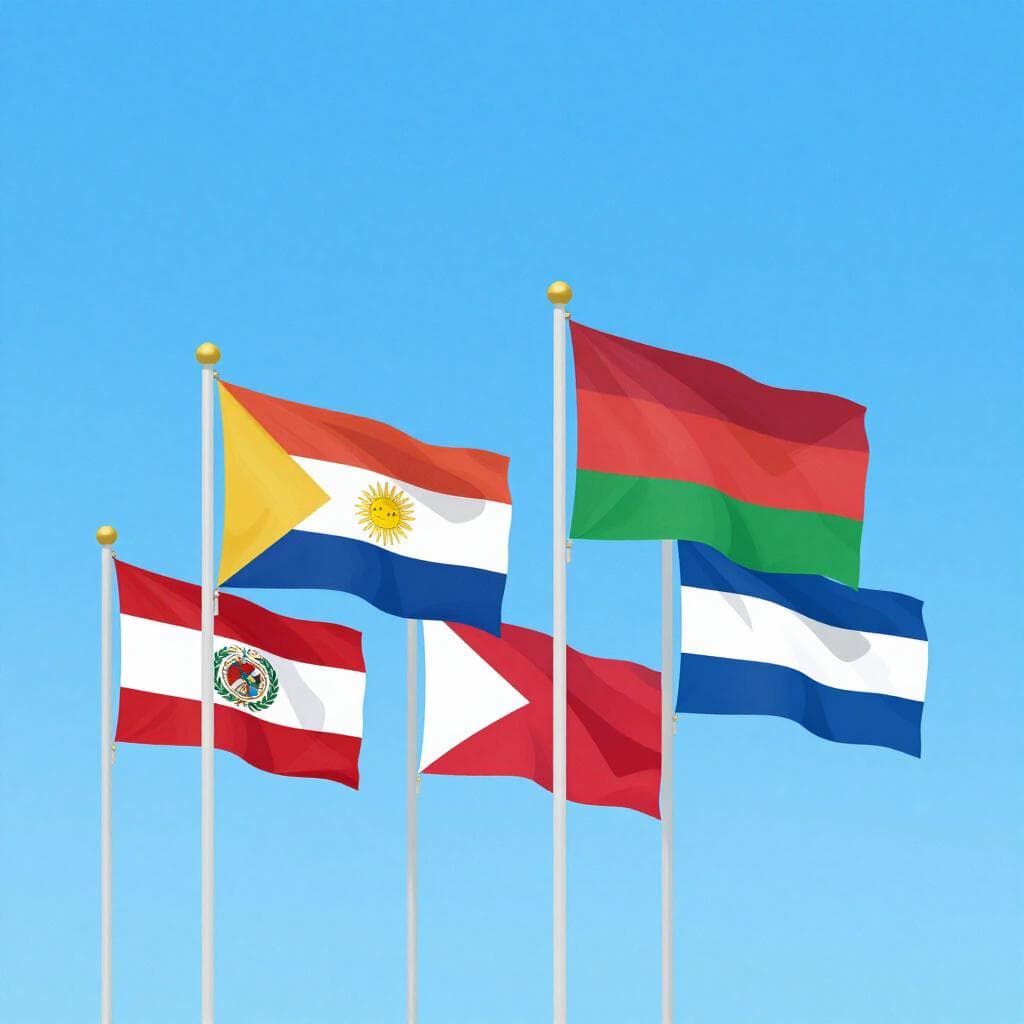
Use this when the strong pride in one's country borders on or implies a belief in national superiority or strong advocacy for national interests, sometimes with political connotations.
Learn more →pah-tree-OH-tee-kohpaˈtɾjotiko

Examples
Llevaba una camiseta patriótica con los colores de la bandera.
He was wearing a patriotic t-shirt with the colors of the flag.
El desfile fue un evento muy patriótico y emocionante.
The parade was a very patriotic and moving event.
Muchos ciudadanos sienten un deber patriótico de votar.
Many citizens feel a patriotic duty to vote.
The Ending Changes
Just like many other descriptive words in Spanish, this one changes its ending. Use 'patriótico' for masculine words (like 'el himno') and 'patriótica' for feminine words (like 'la canción').
Word Placement
You will usually see this word placed after the thing it is describing. Instead of 'patriotic music,' Spanish speakers say 'música patriótica' (music patriotic).
Confusing the Person with the Description
Mistake: “Soy muy patriótico.”
Correction: Soy un patriota (if you mean 'I am a patriot').
pah-tree-oh-tahpaˈtɾjota

Examples
Tiene un sentimiento muy patriota.
He has a very patriotic feeling.
Ese discurso fue muy patriota y emocionante.
That speech was very patriotic and moving.
La familia es muy patriota y celebra todas las fiestas nacionales.
The family is very patriotic and celebrates all the national holidays.
Invariable Adjective
As an adjective, 'patriota' doesn't change its form to match the gender of the noun it describes. It is always 'patriota'.
na-syo-na-LEES-tanasjonāˈlista
Examples
Él tiene un sentimiento nacionalista muy fuerte.
He has a very strong nationalist feeling.
Los partidos nacionalistas obtuvieron muchos votos.
The nationalist parties obtained many votes.
La política nacionalista busca proteger la industria local.
Nationalist policy seeks to protect local industry.
One Form for All
This word ends in '-ista', which means it stays exactly the same whether you are describing a man, a woman, a masculine noun, or a feminine noun.
Where to Put It
In Spanish, this adjective almost always comes after the thing it is describing, like 'el líder nacionalista' instead of 'the nationalist leader'.
The '-isto' Error
Mistake: “El hombre nacionalisto.”
Correction: El hombre nacionalista. Words ending in '-ista' never change to '-isto' for men.
Patriótico vs. Patriota
Learners often confuse 'patriótico' and 'patriota'. Remember that 'patriótico' usually describes an outward display or object, while 'patriota' describes a person's inner feeling or character.
Related Translations
Learn Spanish with Inklingo
Interactive stories, personalized learning, and more.