How to Say "peanut" in Spanish
The most common Spanish word for “peanut” is “cacahuete” — use 'cacahuete' for the common, everyday term for the edible peanut, widely understood across most Spanish-speaking regions.
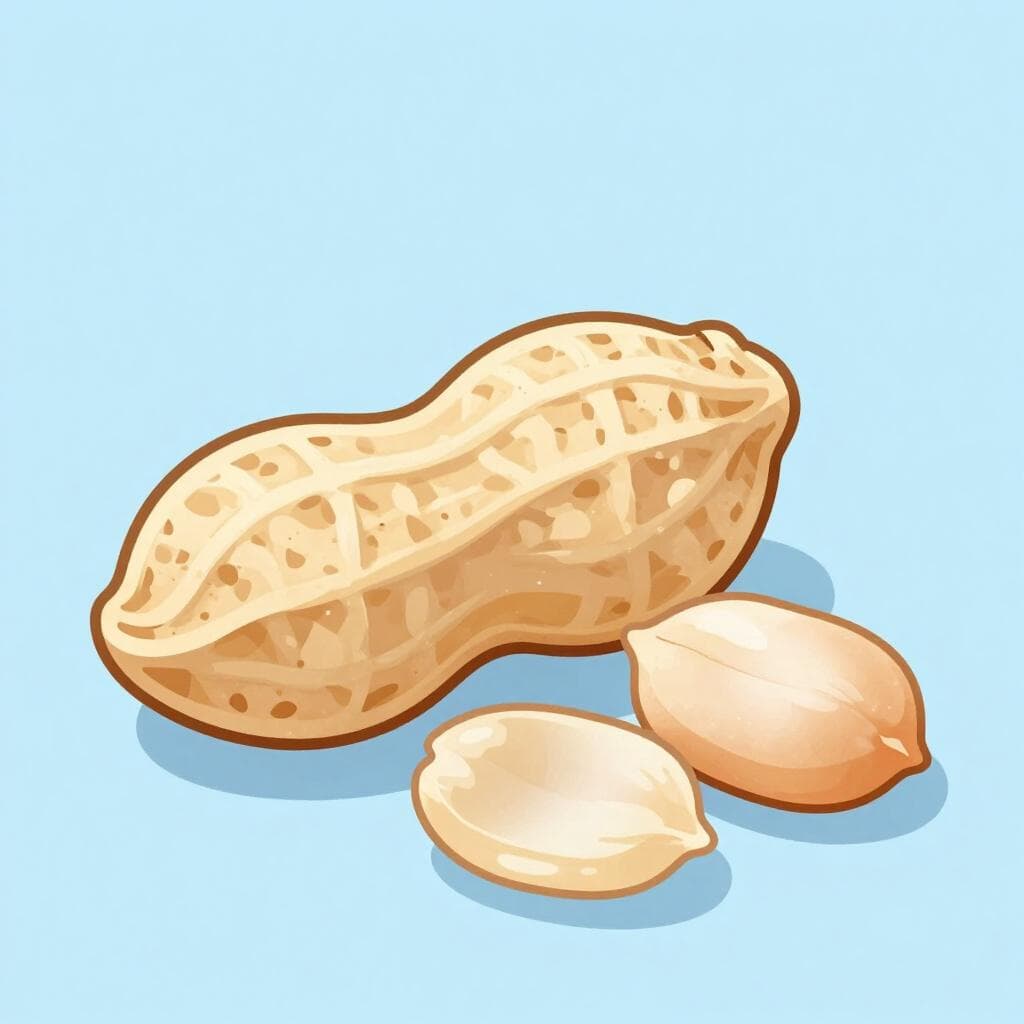
ka-ka-WET-ehkakaˈwete

Examples
Me gusta comer cacahuetes mientras veo la televisión.
I like to eat peanuts while I watch TV.
¿Esta salsa lleva cacahuete? Soy alérgico.
Does this sauce have peanuts in it? I'm allergic.
La mantequilla de cacahuete es muy popular en los Estados Unidos.
Peanut butter is very popular in the United States.
Always Masculine
Even though it ends in 'e', which can sometimes be tricky, 'cacahuete' is always a masculine word. Use 'el' for one and 'los' for many.
Simple Plurals
To talk about more than one, just add an 's' to the end: 'los cacahuetes'.
Gender Confusion
Mistake: “La cacahuete es rica.”
Correction: El cacahuete es rico. Remember that words ending in -ete are almost always masculine.
maní
Examples
Me encanta comer maní tostado mientras veo una película.
I love eating roasted peanuts while I watch a movie.
Regional Preference
The primary confusion arises from regional preference. While both 'cacahuete' and 'maní' are understood, using the term more common in your specific region or the region of your audience will sound more natural.
Related Translations
Learn Spanish with Inklingo
Interactive stories, personalized learning, and more.