How to Say "rather" in Spanish
The most common Spanish word for “rather” is “algo” — use 'algo' when 'rather' means 'somewhat' or 'a little' to indicate a moderate degree of an adjective or adverb.
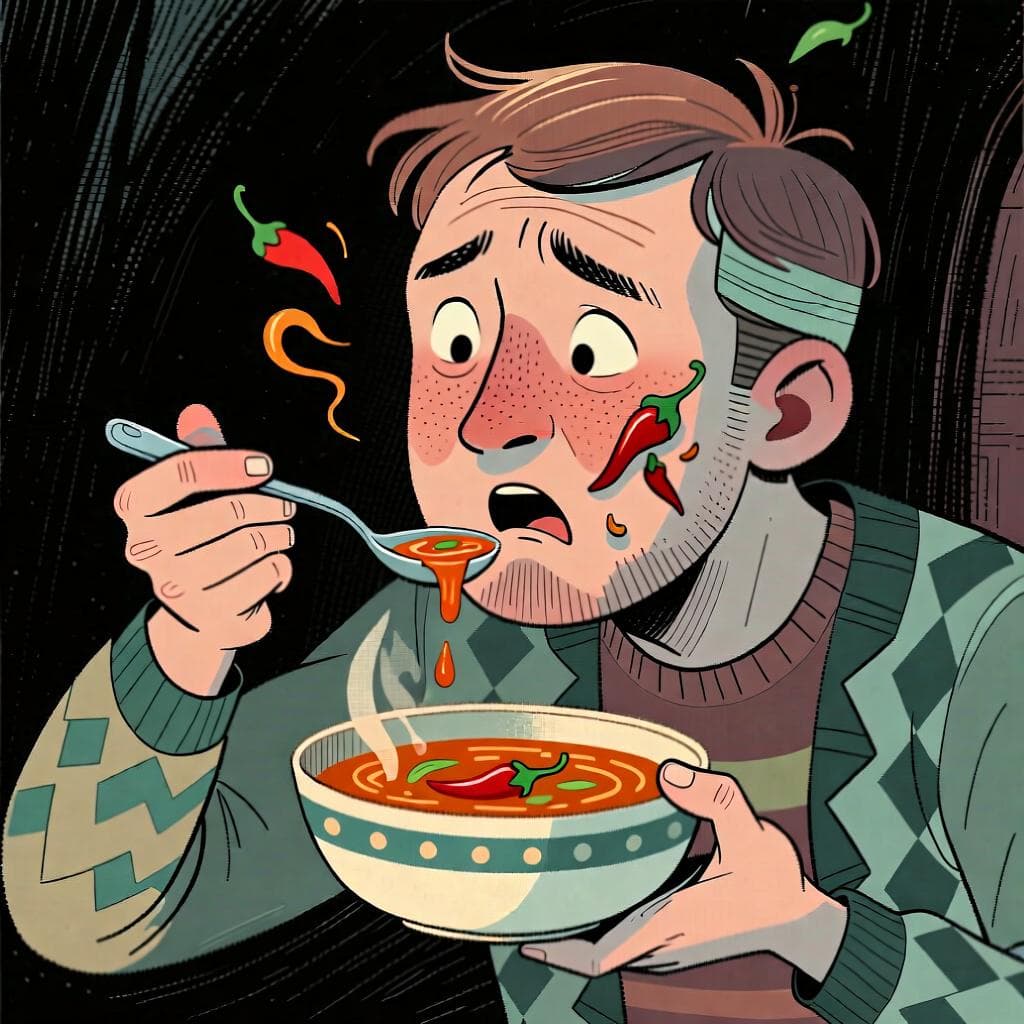


algo
al-goˈal.ɣo

Examples
Estoy algo cansado hoy.
I'm a little tired today.
La película fue algo aburrida.
The movie was somewhat boring.
Llegó algo tarde a la reunión.
He arrived a bit late to the meeting.
A Word to Soften Descriptions
Place 'algo' right before a describing word (like 'big,' 'tired,' or 'expensive') to mean 'a little' or 'kind of.' It makes your description less intense than using 'muy' (very).
Don't Confuse with 'Something'
Mistake: “El café está algo.”
Correction: Say 'El café está algo caliente' (The coffee is a little hot). When 'algo' comes before a describing word, it means 'a little.' By itself, it means 'something,' which doesn't make sense here.
bastante
bahs-TAHN-tehbasˈtante

Examples
La película es bastante buena.
The movie is quite good.
Llegaste bastante tarde.
You arrived quite late.
Hemos trabajado bastante hoy.
We've worked a lot today.
The Form That Never Changes
When 'bastante' is used like this (to describe an action or another describing word), it's always 'bastante'. It never changes to 'bastanta' or 'bastantes'.
Using 'Muy' and 'Bastante' Together
Mistake: “La casa es muy bastante grande.”
Correction: La casa es bastante grande. (The house is quite big.) OR La casa es muy grande. (The house is very big.) You only need one of them, as they both describe 'how big'.
mejor
me-HORmeˈxoɾ

Examples
Está lloviendo. Mejor nos quedamos en casa.
It's raining. We'd better stay home.
No, gracias, no quiero postre. Mejor un café.
No, thanks, I don't want dessert. I'd rather have a coffee.
Mejor no hablemos de eso.
Let's not talk about that. (Literally: Better we don't talk about that.)
A Simple Suggestion
This 'mejor' often appears at the beginning of a sentence to suggest an alternative plan. It's a quick and easy way to say 'how about we do this instead?'.
Choosing between 'algo', 'bastante', and 'mejor'
Learn Spanish with Inklingo
Interactive stories, personalized learning, and more.