How to Say "those ones" in Spanish
The most common Spanish word for “those ones” is “esas” — use 'esas' to replace feminine plural nouns when the items are relatively close or not specifically distant.

Use 'esas' to replace feminine plural nouns when the items are relatively close or not specifically distant.
Learn more →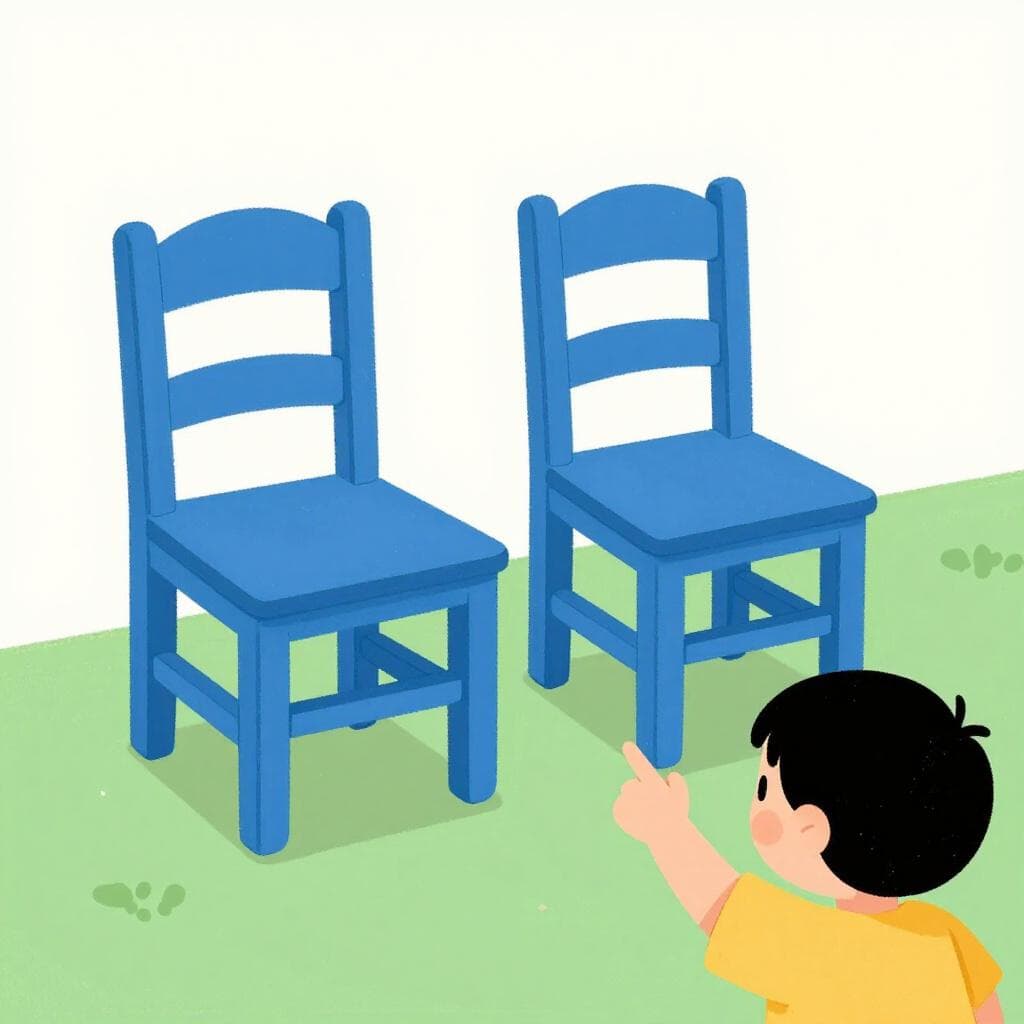
Use 'ésos' to replace masculine or mixed-gender plural nouns when the items are relatively close or not specifically distant.
Learn more →
Use 'aquellas' to replace feminine plural nouns when the items are far away from both the speaker and the listener.
Learn more →EH-sahs'esas

Examples
De todas las flores, prefiero esas.
Of all the flowers, I prefer those ones.
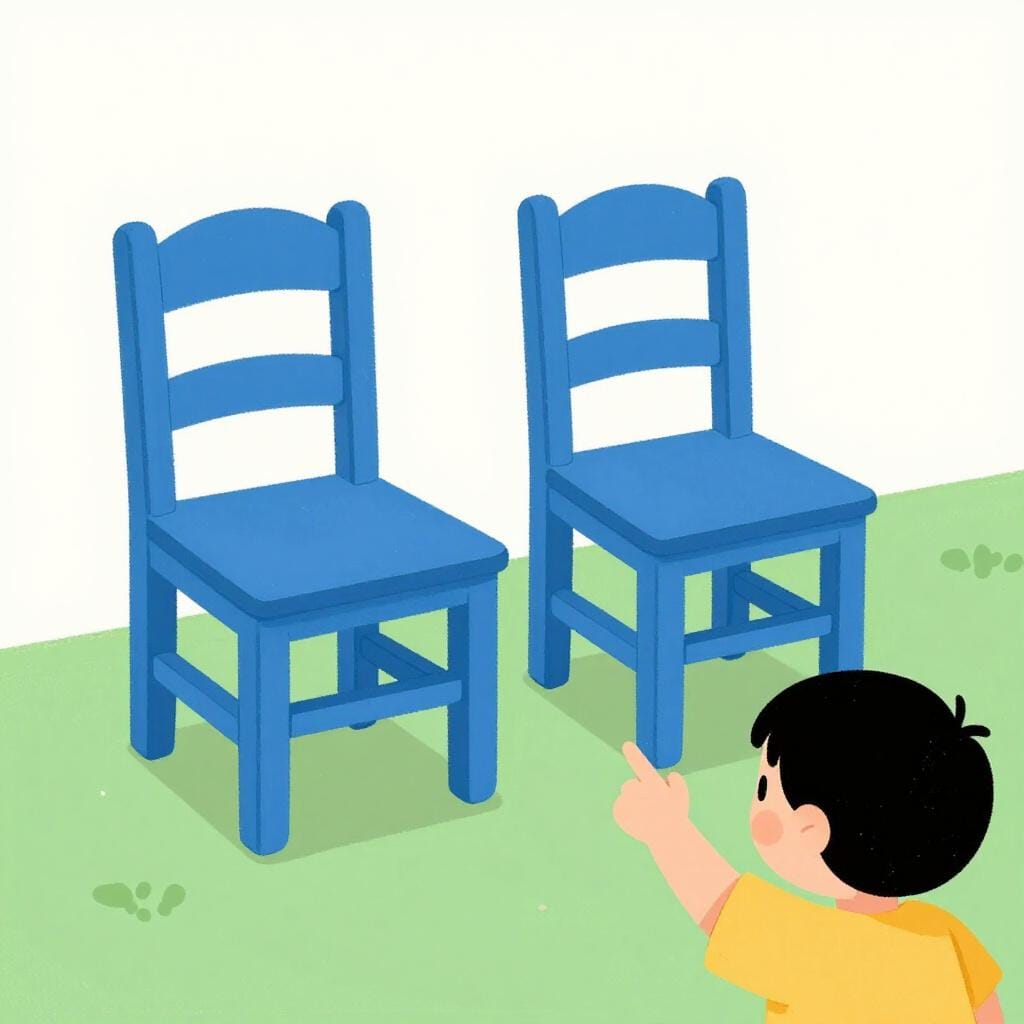
—¿Qué sillas quieres? —Esas de ahí.
—Which chairs do you want? —Those ones over there.
Estas manzanas son rojas, pero esas son verdes.
These apples are red, but those are green.
Replacing Nouns to Sound Natural
Use 'esas' by itself to replace a feminine, plural noun you just mentioned. Instead of saying 'Me gustan esas casas,' you can just say 'Me gustan esas' if everyone knows you're talking about houses.
Adding an Accent Mark (Old Rule!)
Mistake: “Me gustan ésas.”
Correction: Me gustan esas. A long time ago, you had to write an accent mark on 'ésas' when it replaced a noun. Good news! The rule has changed, and you no longer need the accent. It's always 'esas'.
EH-sohsˈesos
Examples
¿Qué zapatos prefieres? —Ésos.
Which shoes do you prefer? —Those ones.
Ésos no son mis libros.
Those are not my books.
Me gustan los coches, especialmente ésos.
I like the cars, especially those ones.
The 'Middle Distance' Word
Use this word to point to things that are near the person you are talking to, or just a short distance away from you.
Stand-alone Word
This is a 'pronoun,' which means it acts as a shortcut to replace a noun. Instead of saying 'those books,' you just say 'those ones' (ésos).
Don't add a noun after
Mistake: “ésos libros”
Correction: esos libros (without the accent) OR just 'ésos'.
ah-KEH-yahsaˈkeʎas

Examples
¿Cuáles galletas quieres? Aquellas que están en el estante de arriba.
Which cookies do you want? Those ones that are on the top shelf.
Aquellas montañas tienen nieve en la cima.
Those mountains (way over there) have snow on the peak.
Me encantan aquellas casas antiguas del centro.
I love those old houses (far away) downtown.
Mis amigas y aquellas (las que conocimos en el viaje) son muy diferentes.
My friends and those ones (the ones we met on the trip) are very different.
Identifying Distance
Use 'aquellas' to point out feminine things that are far away from both you and the person you are talking to (like saying 'way over there').
Matching the Noun
'Aquellas' must match the noun it describes in number and gender (plural and feminine, e.g., 'mesas', 'sillas', 'personas').
Standing Alone
When 'aquellas' acts as a pronoun, it doesn't need a noun right after it; it replaces the noun entirely.
Referring Back
This form is used to refer back to a group of feminine things or people that have already been mentioned and are perceived as distant or separate.
Confusing Distance
Mistake: “Using 'estas' (these) or 'esas' (those nearby) when the object is very far.”
Correction: If the item is distant, use the 'aquel' series: 'Aquellas' flores (those flowers way over there).
Confusing 'esas'/'ésos' with 'aquellas'
The most common mistake is not distinguishing between proximity and distance. 'Esas' and 'ésos' refer to items nearby, while 'aquellas' specifically means 'those ones far away'. Remember the accent on 'ésos' to distinguish it from 'esas'.
Related Translations
Learn Spanish with Inklingo
Interactive stories, personalized learning, and more.