How to Say "trousers" in Spanish
The most common Spanish word for “trousers” is “pantalones” — use 'pantalones' when referring to trousers in a general sense, or when talking about a pair of trousers as a plural item. This is the most common term in everyday Spanish.
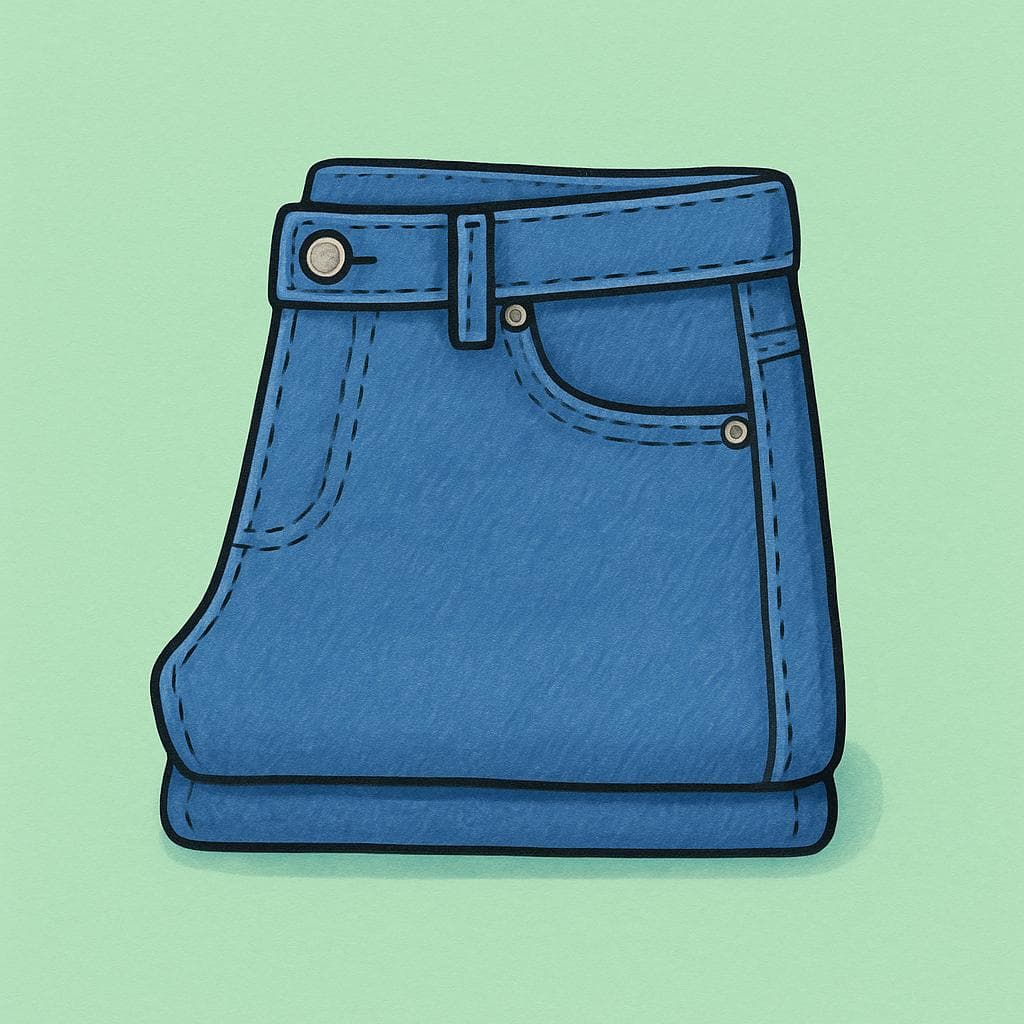
Use 'pantalones' when referring to trousers in a general sense, or when talking about a pair of trousers as a plural item. This is the most common term in everyday Spanish.
Learn more →Use 'pantalón' when referring to a single item of trousers, or in more formal or specific contexts. It can also be used when the item is particularly distinguished.
Learn more →pahn-tah-LOH-nayspantaˈlones
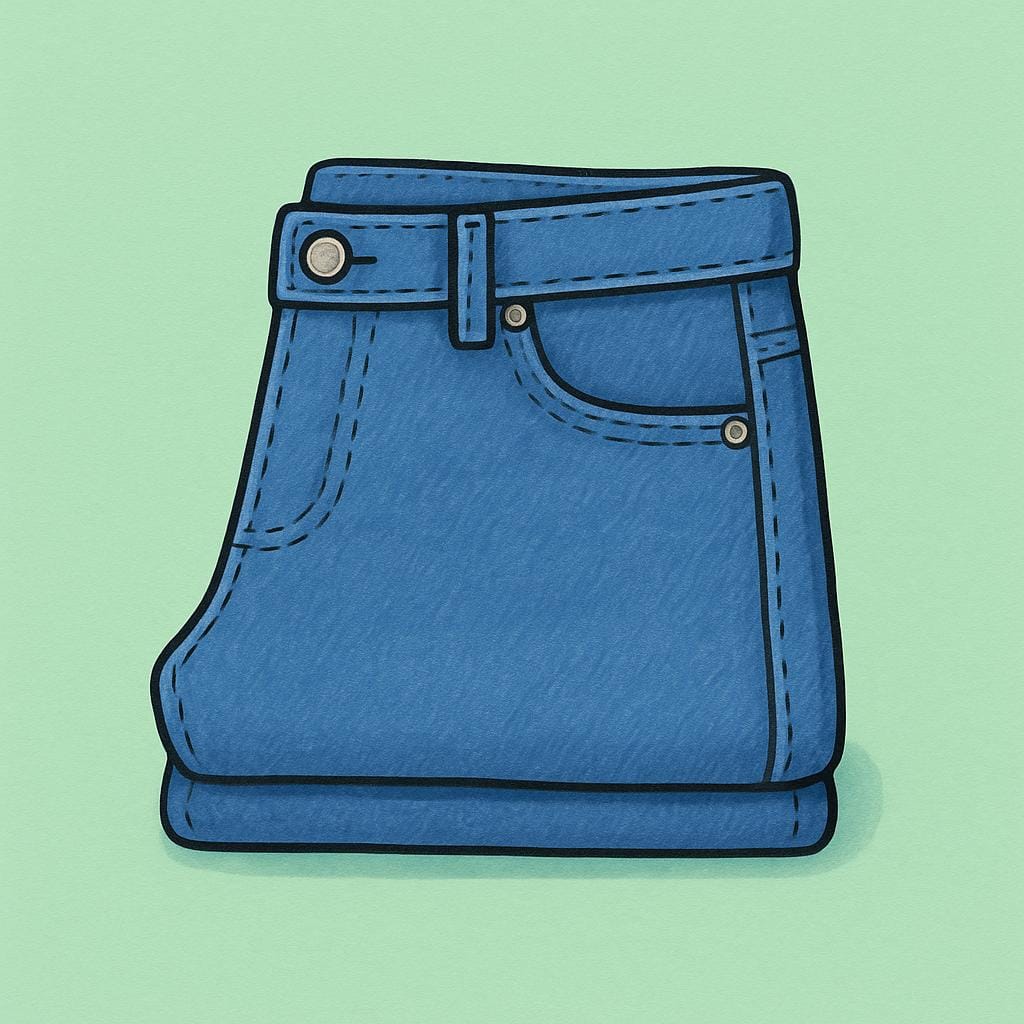
Examples
Me compré unos pantalones negros para el trabajo.
I bought myself some black pants for work.
Sus pantalones favoritos están en la lavadora.
His favorite trousers are in the washing machine.
Necesitas unos pantalones más formales para la reunión.
You need more formal pants for the meeting.
Mandatory Plural
Even when referring to a single garment, 'pantalones' is almost always used in the plural. You will always say 'los pantalones' (the pants) or 'unos pantalones' (some pants).
Gender and Articles
Since it is a masculine noun, use the plural masculine article 'los' (the) or 'unos' (some/a pair of) before the word.
Using the Singular
Mistake: “Compré un pantalón azul.”
Correction: Compré unos pantalones azules. (While 'pantalón' exists, using the plural is much more common and sounds natural.)
pantalón
Examples
Tengo un pantalón azul muy cómodo.
I have a pair of very comfortable blue pants.
Singular vs. Plural for Trousers
The most common mistake is not realizing that 'pantalones' is typically used in the plural in Spanish, even when referring to one item of clothing (a pair of trousers). 'Pantalón' is used for a single item, but 'pantalones' is the default and most frequent choice for most situations.
Related Translations
Learn Spanish with Inklingo
Interactive stories, personalized learning, and more.