How to Say "we expect" in Spanish
The most common Spanish word for “we expect” is “esperamos” — use 'esperamos' when you are actively waiting for something or someone to arrive or happen, indicating a present state of anticipation.

esperamos
es-pe-RAH-moses.peˈɾa.mos
Examples
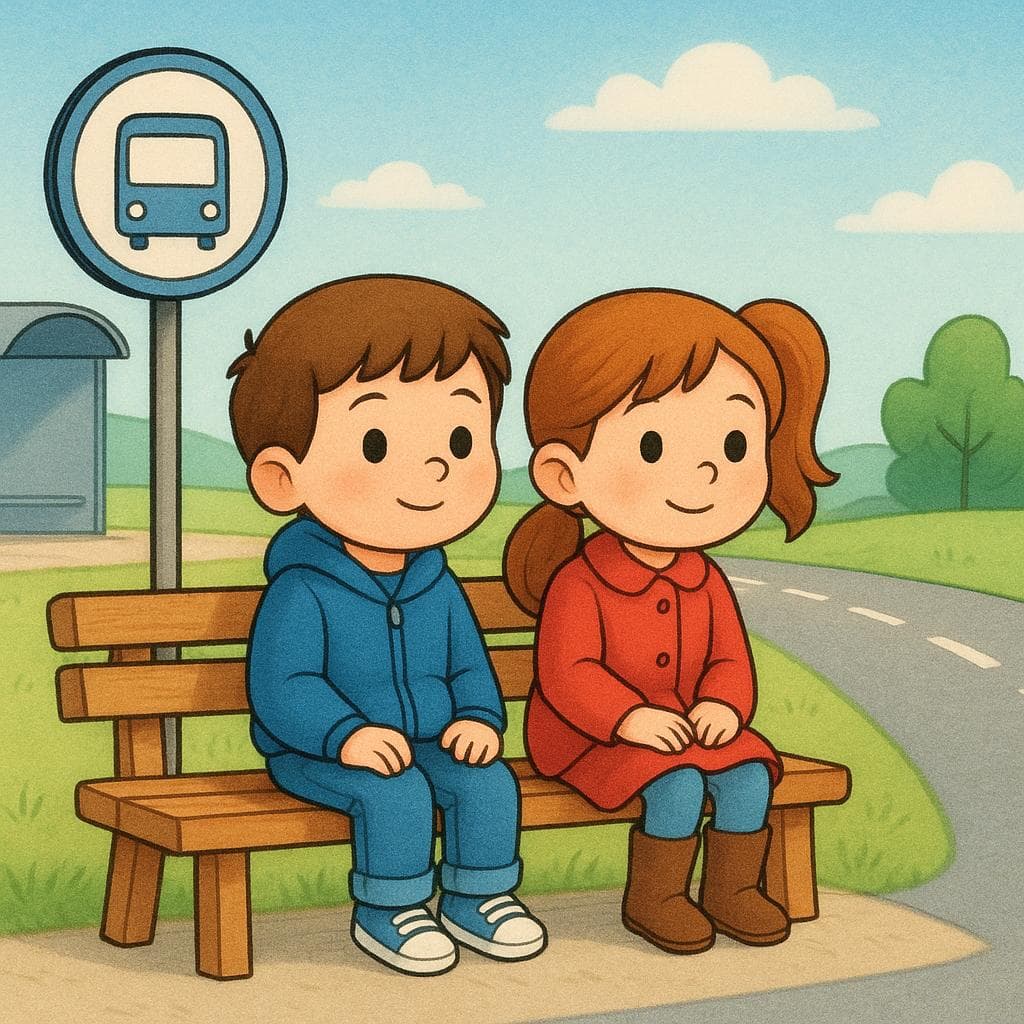
Esperamos el tren en la estación.
We are waiting for the train at the station.
Siempre esperamos lo mejor de nuestros estudiantes.
We always expect the best from our students.
Esperamos que llegues a tiempo para la cena.
We hope that you arrive in time for dinner.
Waiting for People/Things
When you are waiting for a person or a thing, 'esperar' usually uses the preposition 'a' before the person, but not before the thing: 'Esperamos a María' (We wait for María), but 'Esperamos el bus' (We wait for the bus).
Hoping (Subjunctive Trigger)
When 'esperamos' means 'we hope' and is followed by 'que' and a different person, the next verb must change to its special form (subjunctive): 'Esperamos que venga' (We hope that he comes).
Confusing 'Wait' vs. 'Hope' Conjugation
Mistake: “Using *esperemos* when you mean 'We wait' right now.”
Correction: Use *esperamos* for present actions ('We wait'). *Esperemos* is for commands or desires ('Let's wait' or 'That we may wait').
esperaremos
ess-peh-rah-REH-moses.pe.raˈɾe.mos

Examples
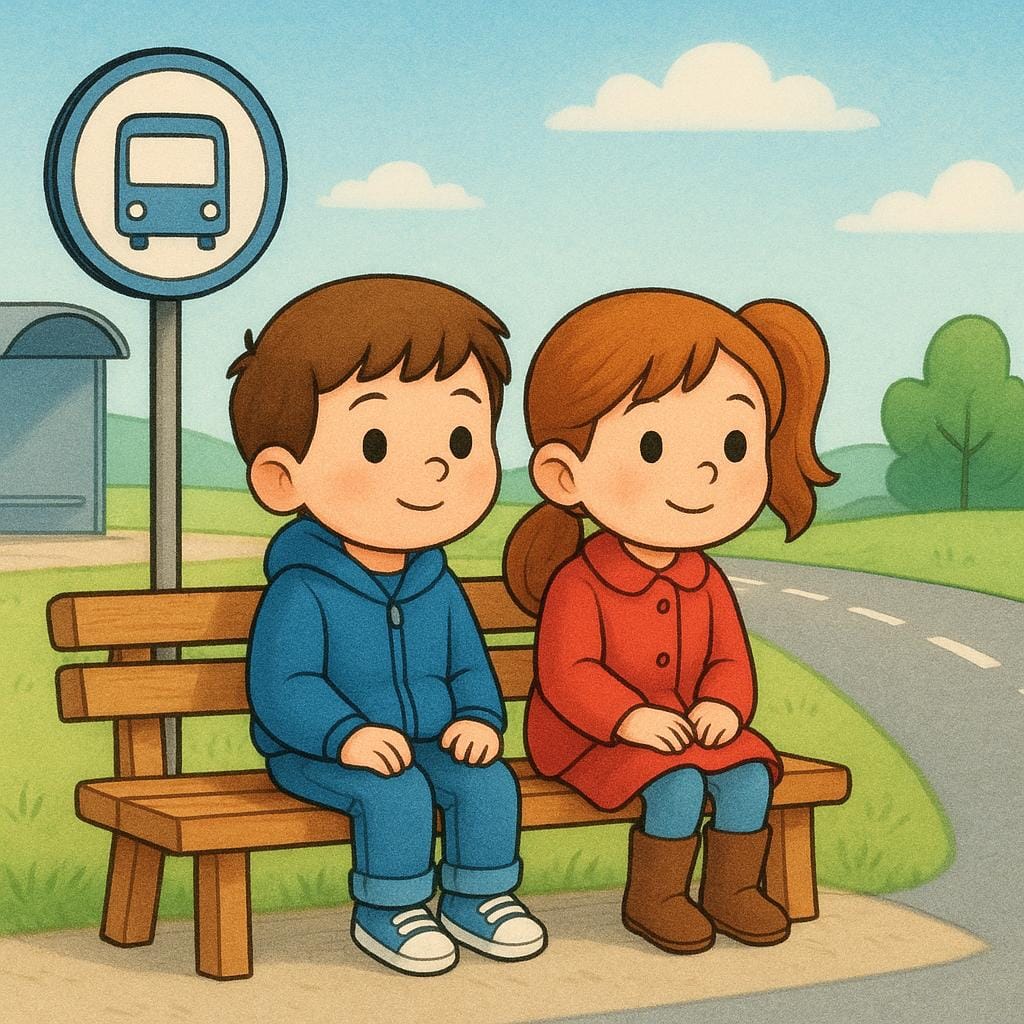
Después de enviar el currículum, esperaremos que nos llamen para la entrevista.
After sending the CV, we will hope that they call us for the interview.
Terminemos el proyecto y esperaremos que el jefe esté contento con el resultado.
Let's finish the project and we will hope the boss is happy with the result.
Hoping Triggers Subjunctive
When 'esperar' means 'to hope' and is followed by 'que' and a different person performing the second action, the second verb must use the special 'subjunctive' form: 'Esperaremos que él venga.' (We will hope that he comes).
Using Indicative After 'Hope'
Mistake: “Esperaremos que él *viene* (Using the normal present tense for the action you hope for).”
Correction: The correct form is 'Esperaremos que él *venga*' (using the subjunctive form 'venga'), because you are expressing a desire, not a fact.
Present vs. Future Expectation
Related Translations
Learn Spanish with Inklingo
Interactive stories, personalized learning, and more.