How to Say "you clear" in Spanish
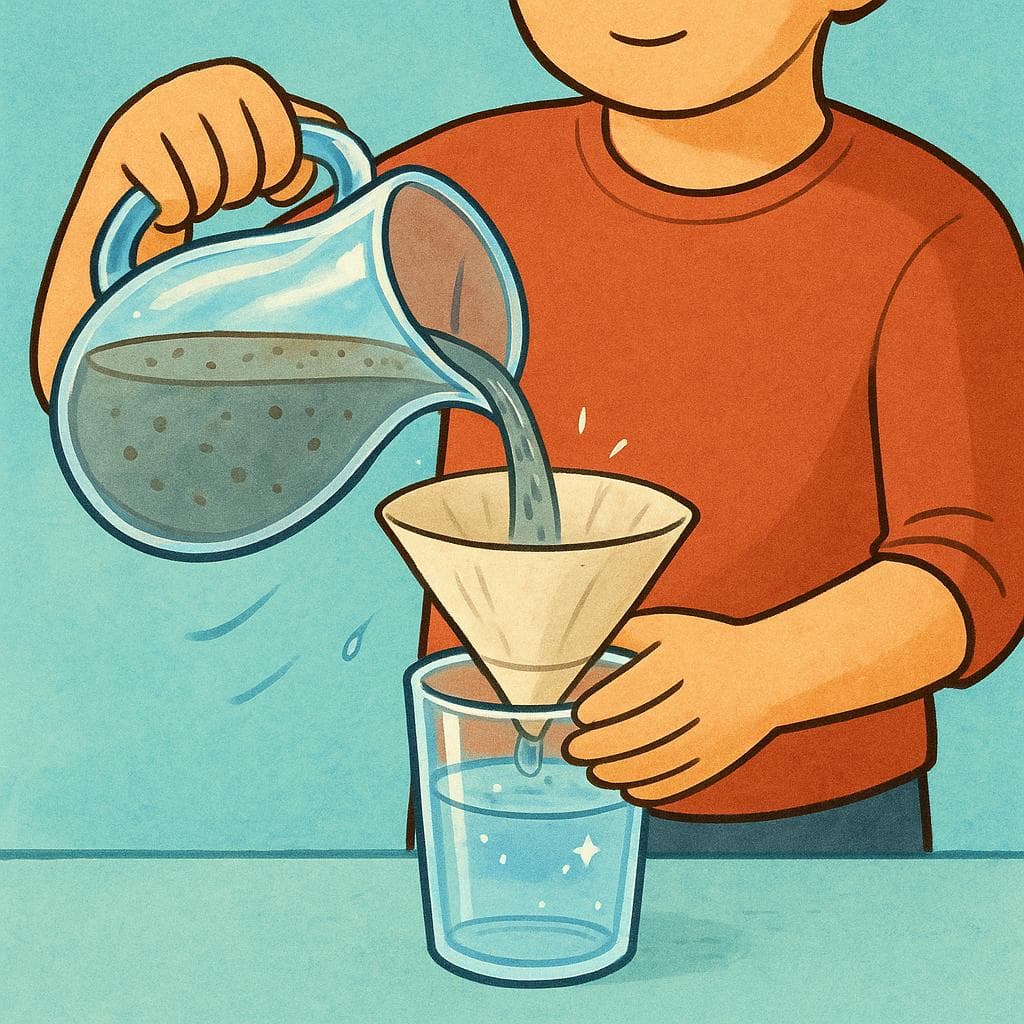
The most common Spanish word for “you clear” is “claras” — use 'claras' when you mean 'you make something clear' or 'you explain something' to remove confusion.

klah-rasˈkla.ɾas

Examples
(Tú) Claras la situación con tu explicación.
You clear up the situation with your explanation.
(Tú) Claras tu cabello con limón y sol.
You lighten your hair with lemon and sun.
Common Alternative
Most Spanish speakers use the verb 'aclarar' (to clarify) much more often than 'clarar.' 'Claras' is the 'tú' form for 'clarar' in the present tense.
KEE-tahsˈkitas

Examples
Tú siempre quitas las manchas de la ropa muy bien.
You always remove stains from clothes very well.
Si quitas el mantel, yo puedo limpiar la mesa.
If you take off the tablecloth, I can clean the table.
Le quitas importancia al problema.
You are downplaying the problem (literally: taking importance away from it).
Using 'quitas' with people
When you take something away from someone, use 'le' or 'me' before the word. For example: 'Me quitas el juguete' (You take the toy away from me).
Taking off clothes
Mistake: “Using 'quitas la camisa' for yourself.”
Correction: Say 'te quitas la camisa'. When you remove your own clothes, you need to add the 'te' (yourself) to the action.
Clarifying vs. Removing
Learners often confuse 'claras' (to clarify/explain) with 'quitas' (to remove/take away). Remember that 'claras' deals with abstract concepts like information, while 'quitas' refers to the physical removal of objects or substances.
Related Translations
Learn Spanish with Inklingo
Interactive stories, personalized learning, and more.