How to Say "you graze" in Spanish
The most common Spanish word for “you graze” is “paces” — use 'paces' when referring to the action of an animal, or someone directing animals, eating grass in a field.

PAH-sehsˈpa.ses
Examples
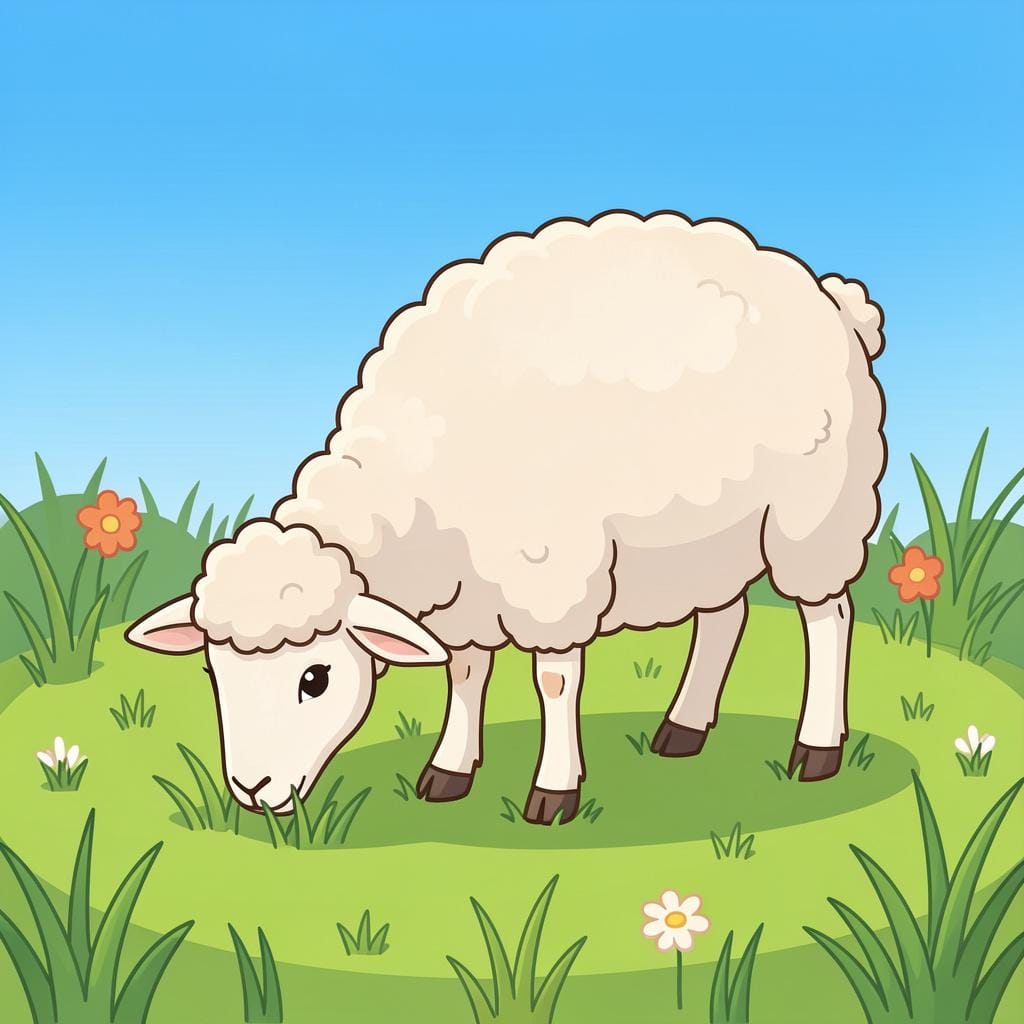
Tú siempre paces a las ovejas en este prado.
You always graze the sheep in this meadow.
Spelling Change
When talking about yourself (yo), the 'c' changes to 'zc' (pazco). For the 'tú' form (paces), it stays as a normal 'c'.
ROH-sasˈrosas
Examples
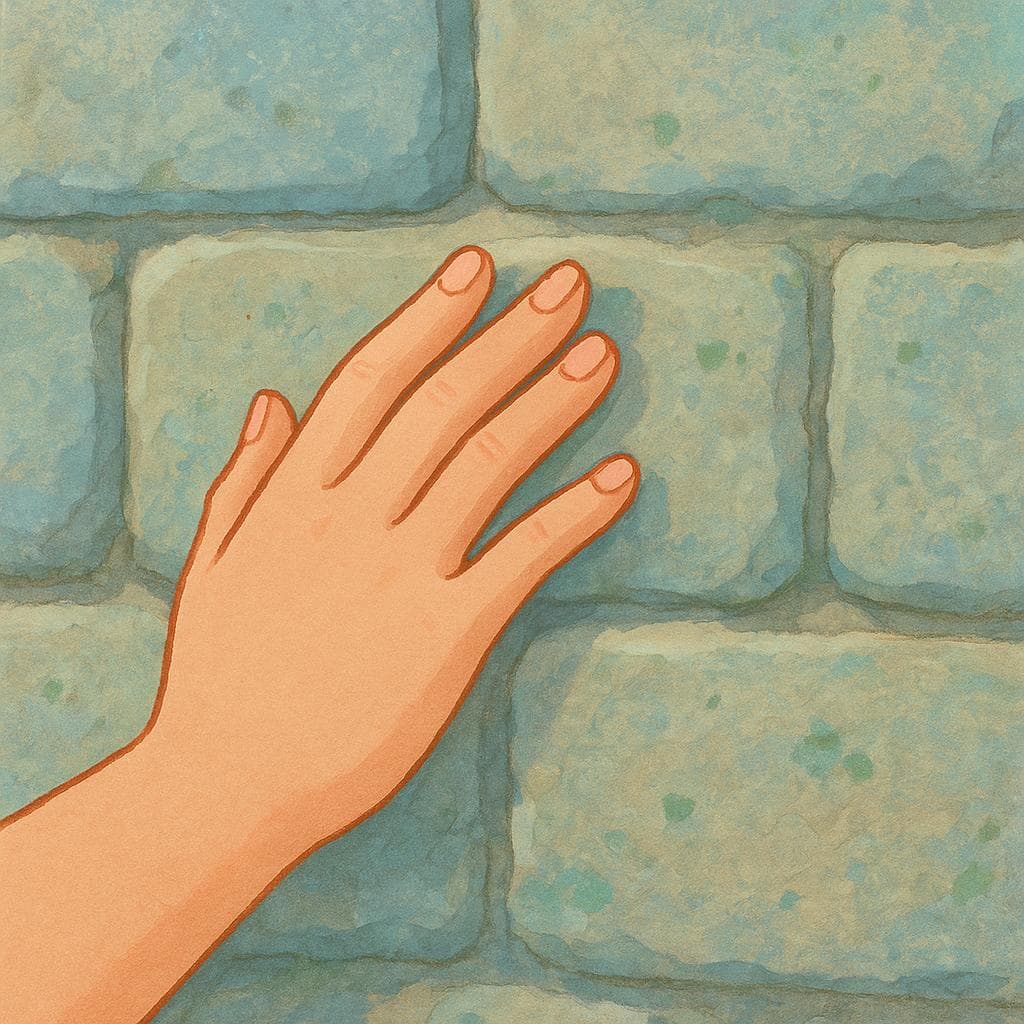
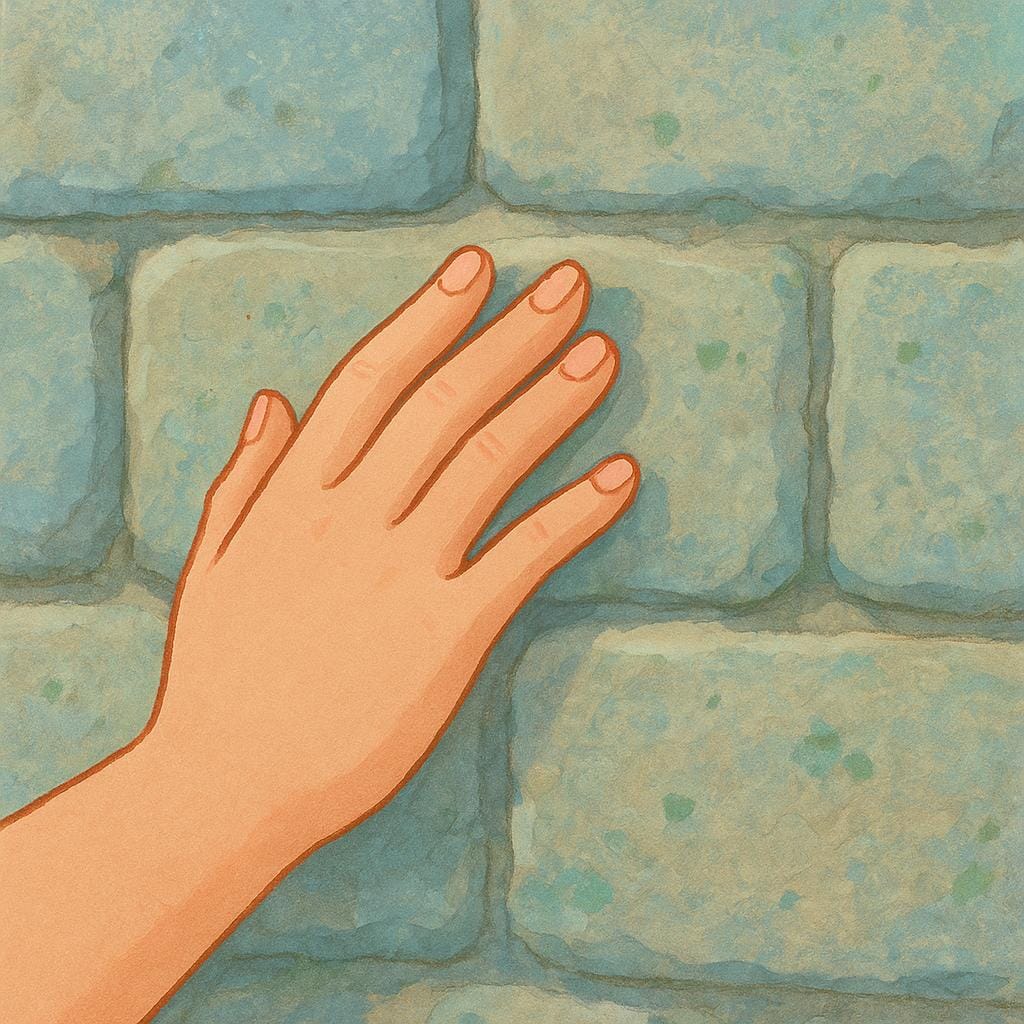
Si te acercas demasiado, rosas el muro con el coche.
If you get too close, you graze the wall with the car.
Siempre rosas las esquinas cuando pasas por aquí.
You always brush against the corners when you pass through here.
The 'Tú' Form
This specific form, 'rosas', is used when talking to one friend or family member (tú) about an action they are doing right now, like 'You graze the edge'.
Animal vs. Light Touch
The most common mistake is confusing 'paces' (animals eating grass) with 'rosas' (lightly touching). Remember that 'paces' is specific to animals feeding, while 'rosas' describes a gentle collision or contact.
Related Translations
Learn Spanish with Inklingo
Interactive stories, personalized learning, and more.