
A practical reading guide
Learn English with Stories
Find a story you can follow, read with a little help, and come back for another. Here is how to choose your level, use audio and translations, and build a reading habit in English.
- stories & series
- 84
- readings with audio
- 94
- readings with quizzes
- 94
- available levels
- A0 · A1 · A2 · B1 · B2
Choose a level you can enjoy
Read the opening paragraph. Can you tell who is involved and what is happening without translating every sentence? That is a useful starting level. If you lose the plot, choose an easier story; if it feels effortless, try the next level.
Already know some English?
Start with the easiest story below if you are new. If you already read some English, try an A1 or A2 opening and use the paragraph check above to adjust.
| Level | A good fit when… | Stories & series | Typical reading |
|---|---|---|---|
| A0 First steps | You are starting to recognize familiar words and very short sentences. | 10 | ~1 min |
| A1 Beginner | You can follow simple descriptions and everyday events with some help. | 30 | ~1 min |
| A2 Elementary | You can follow a sequence of events and short conversations. | 27 | ~3 min |
| B1 Intermediate | You can follow connected narratives and explain why something happened. | 9 | ~6 min |
| B2 Upper intermediate | You want more nuanced plots, viewpoints, and less familiar vocabulary. | 8 | ~9 min |
Counts come from the current public English library for the levels shown. A series counts as one title; audio and quiz totals count individual readings, including series parts. Chat stories are not included. This library contains 5 series across 94 individual readings.
Times are catalogue estimates, not study targets. “Typical” is the median at that level; lookups, listening, and rereading take extra time. A0 is Inklingo’s starter label, before A1.
Real stories to start with
Browse the full libraryOne shorter pick at each available level, plus an alternative when you want a different topic. Choose a level you can follow; you do not need to work through every card in order.
A0First steps
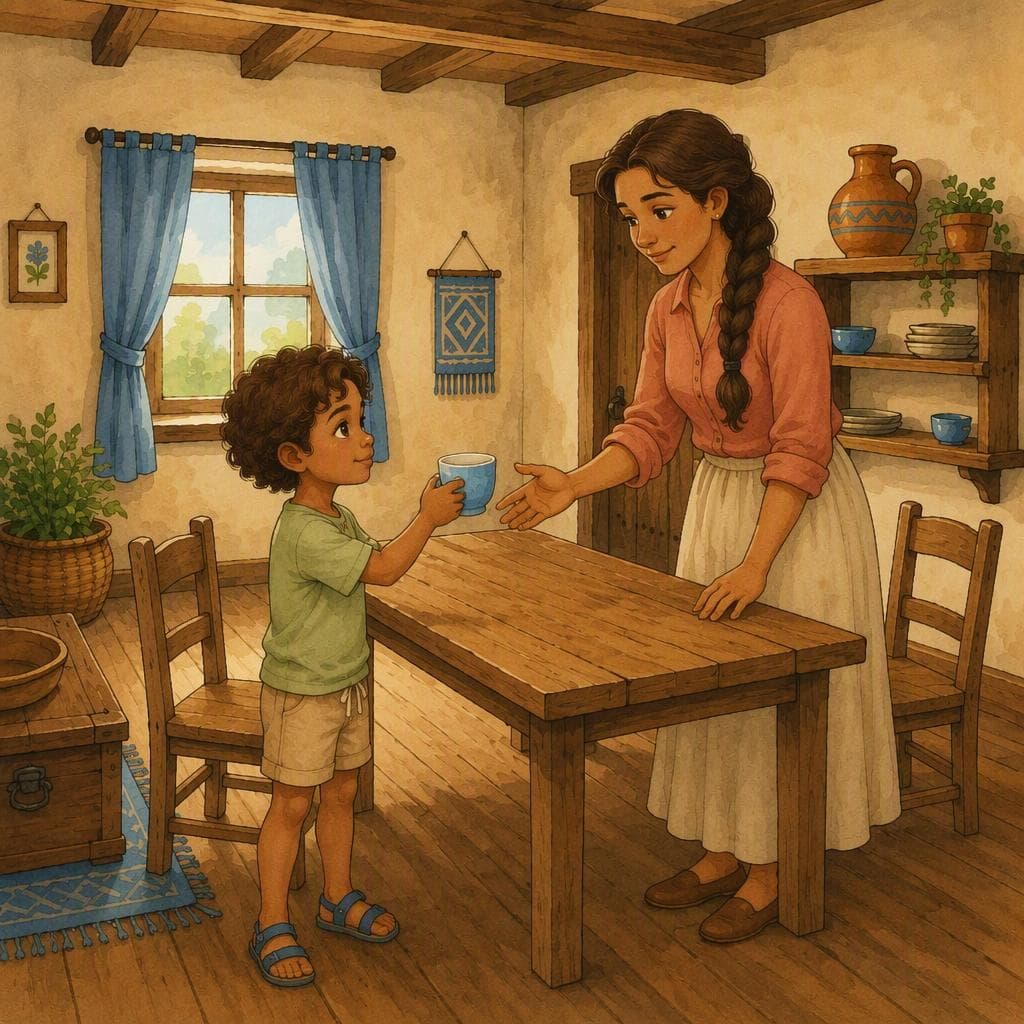
Water for Mother
A child gives water to Mother.
- ~1 min
- Audio
- 3 quiz questions
- 6 key words
A1Beginner
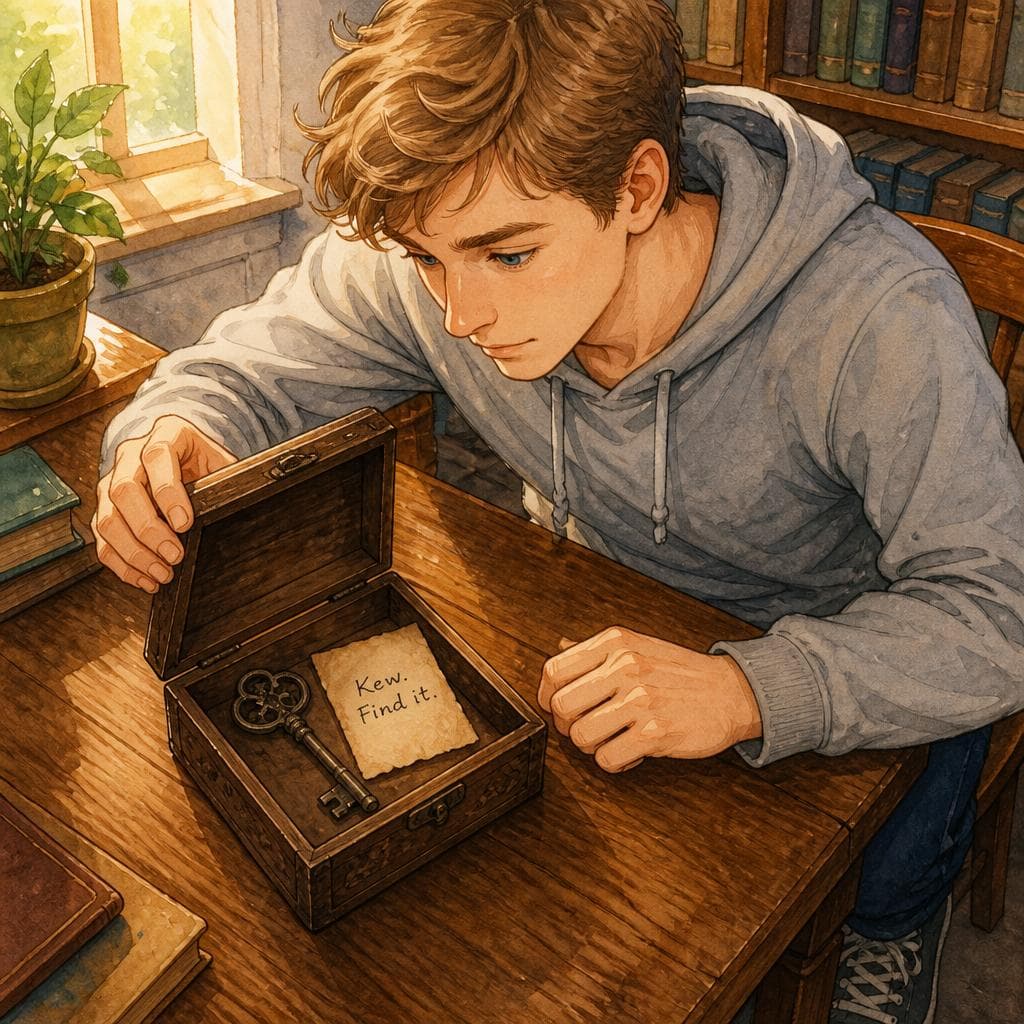
The Flower of the Second War
A young student goes on a mysterious quest to Kew Gardens using an old key given to him by his grandmother.
- ~1 min
- Audio
- 3 quiz questions
- 4 key words
3-part series · starts at part 1
Read part 1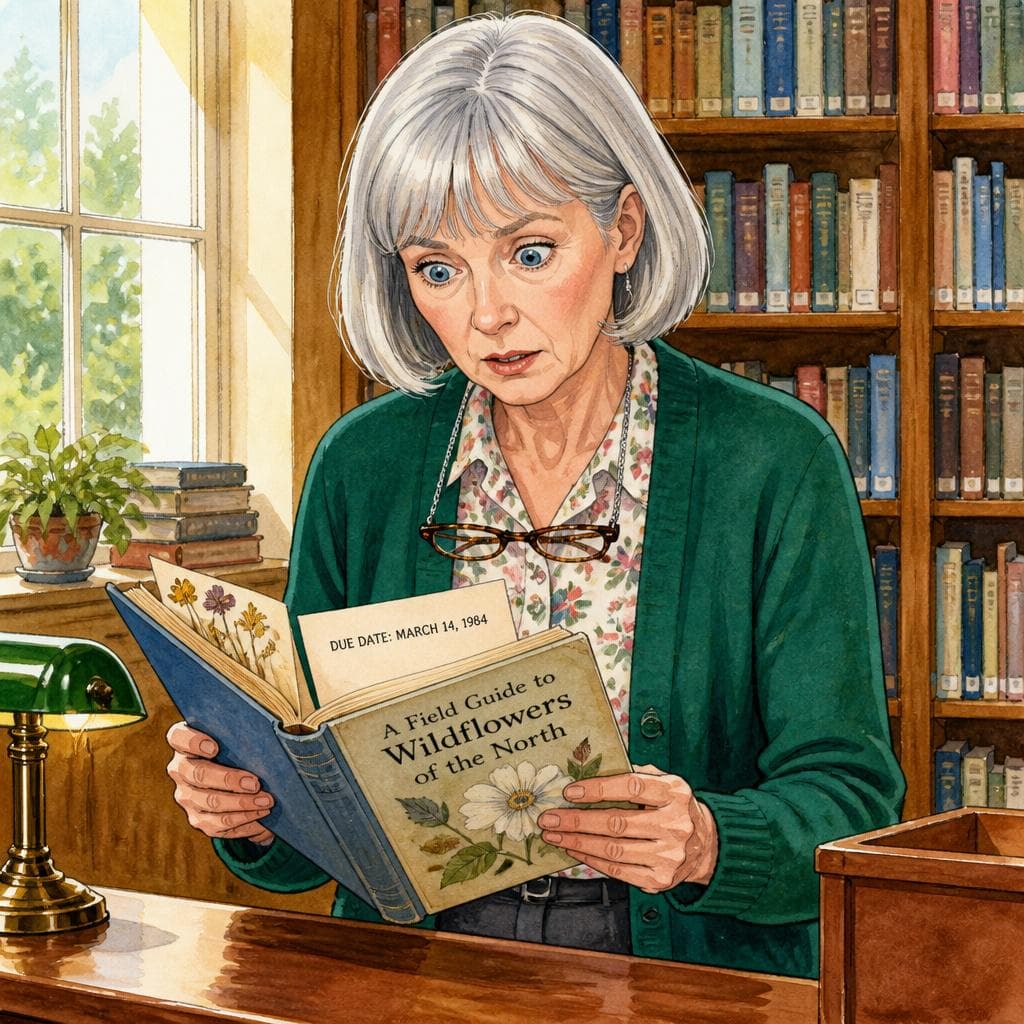
A2Elementary
The Library Book Returned After Forty Years
A librarian receives an unexpectedly late library book and discovers the touching reason behind its delay.
- ~2 min
- Audio
- 3 quiz questions
- 6 key words

B1Intermediate
The Pancake Race Nobody Finished in Olney
A journalist discovers that a simple British tradition in the town of Olney is more about community than competition.
- ~5 min
- Audio
- 3 quiz questions
- 4 key words

B2Upper intermediate
The Ordnance Survey Map That Named the Wrong Hill
A historical account of how a linguistic misunderstanding led to a mountain being misnamed on official British maps for over eighty years.
- ~8 min
- Audio
- 3 quiz questions
- 8 key words
A simple 15-minute reading routine
Use this as a flexible session plan. For a longer story, work with one section and continue next time.
- 12 min
Preview and get your bearings
Look at the title, picture, and key words. Read the opening to work out who is there, where they are, and what they want.
- 25 min
Read for the story
Keep going while you understand the main events. Tap an unfamiliar word or phrase when it blocks meaning. Check the translation after trying the sentence yourself.
- 34 min
Listen, then repeat a line
If audio is available, follow the text once. Replay a short section without reading, then repeat one useful sentence aloud. Go back to the text when you need support.
- 44 min
Recall and keep a few phrases
Close the text and retell the main event. Try the quiz if one is available, then revisit anything you missed. Keep three useful phrases with their context for your next session.
Know when to move up
Try a harder story when you can follow several new stories at your current level, summarize the main events, and explain your quiz answers without constant lookups. If the next level is tiring, alternate it with easier reading. Finishing a fixed number of stories does not guarantee a level change.
What to notice when reading English
Connect text and sound
Use audio to connect spelling with pronunciation. Pay attention to word stress and the way common words join together in speech.
Look for patterns
Keep expressions such as “look after” or “at the end of” together. A familiar word can change meaning inside a phrasal verb or a longer expression.
Try it yourself
After reading, retell the events in the past tense. Listen again for reduced forms and check any phrase you understood on the page but missed in the audio.
Your first week, without the guesswork
Repeat this pattern at your own pace. Reusing a story is part of the plan.
- Day 1
Find your starting point
Try the paragraph check and read one story at a comfortable level. Note what you understood before looking anything up.
- Days 2–3
Return, then read something new
Reread your first story with audio and recall three phrases. Next session, choose a second story at the same level.
- Days 4–5
Make the language reusable
Revisit the second story, answer its quiz if available, and retell it aloud. Write two sentences using phrases from either story.
- Days 6–7
Read again and take stock
Try another story or the next part of a series. At the end of the week, compare your lookups and understanding with day 1, then choose whether to stay or try a harder text.
Why stories belong in your learning routine
A story gives words a situation, links sentences into a meaningful sequence, and gives you a reason to keep reading. Graded stories help you get that practice before you are comfortable with books written for fluent readers.
A 2025 meta-analysis found small to medium positive effects of extensive reading across the language domains it studied. That supports regular reading as part of learning; it does not promise fluency from a set number of stories or test Inklingo specifically.
Read the research: Sangers and colleagues (2025)Pair reading with listening, conversation, and focused help for patterns you keep missing. A short recap or comprehension check gives you a way to notice whether you followed the meaning.
Questions about learning with stories
Can I start if I am a complete beginner?
Yes. Start with A0, use the pictures, key vocabulary, translations, and audio where available, and work a sentence at a time. If the writing system is new to you, learn its basics alongside reading.
Should I translate every word?
Try to follow the main event first. Look up words or phrases that block your understanding, then reread the sentence. If nearly every sentence needs translating, choose an easier story or a shorter section.
Should I read or listen first?
If the story is challenging, read with support before listening. If reading feels comfortable, try listening first and use the text to check what you missed. Repeat a short section instead of forcing yourself through a long recording.
How many stories should I read each week?
Choose a pace you can sustain. The sample week uses a few stories with rereading and listening between them. Understanding and returning regularly matter more than rushing through a quota; there is no guaranteed number of stories for fluency.
Can I read on the website or use the app?
The links above open public story readers on the website. Use the Inklingo app if you want to build a routine around saved vocabulary, review, and progress tracking.
Does my reading level equal my exam level?
No. These labels help you choose reading material. A placement tool offers a starting estimate, and neither a story level nor a short practice test is an official exam result. Confirm the fit by reading a real passage.