The Swimmer Who Turned Back at the White Cliffs
Tocca qualsiasi parola per una traduzione istantanea. Usa i pulsanti di riproduzione per ascoltare la storia mentre leggi.
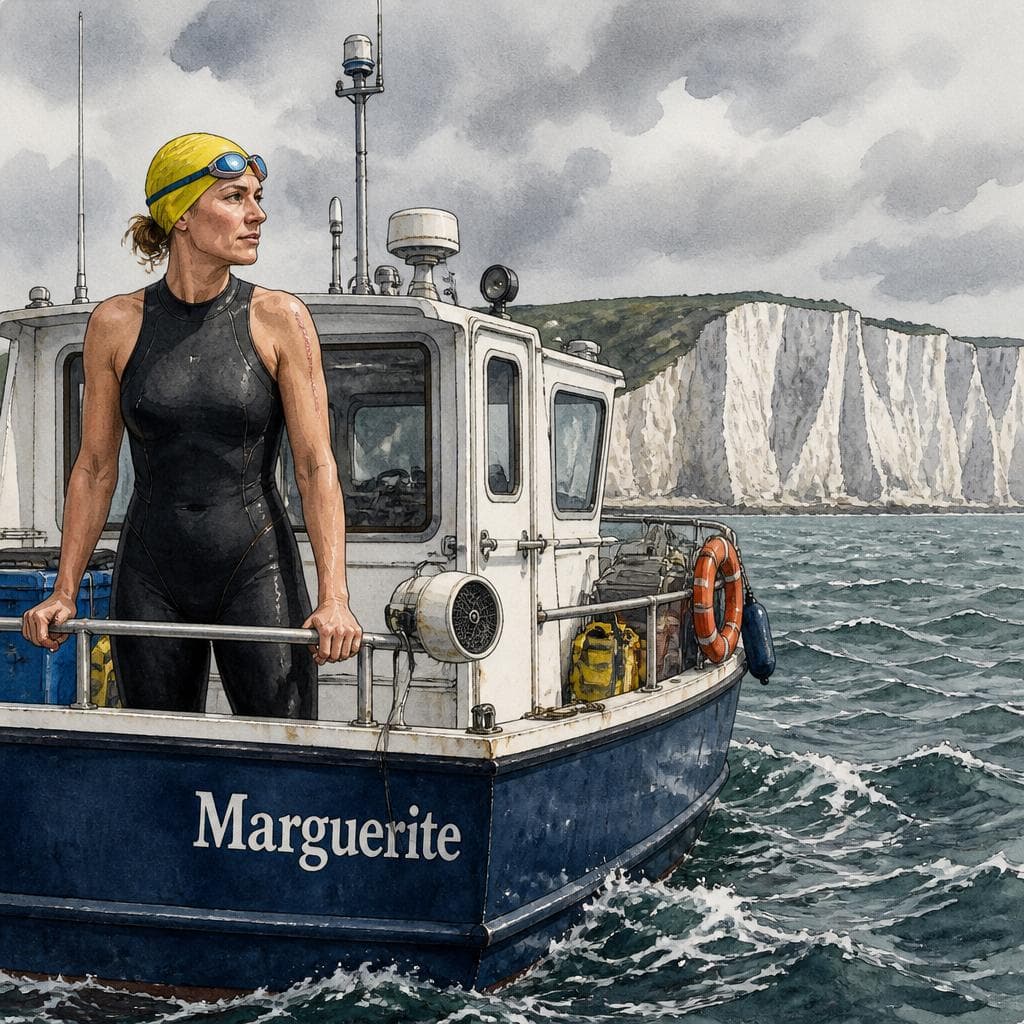
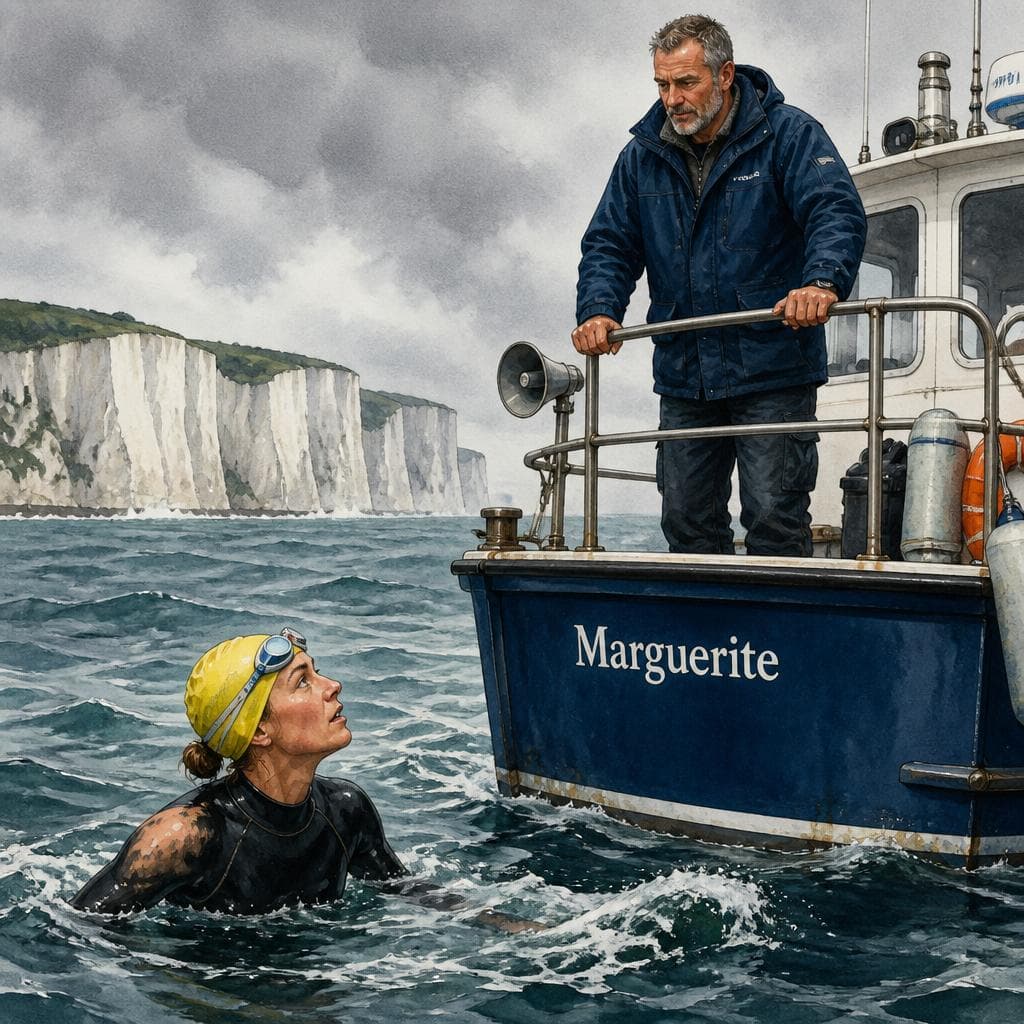
The support boat was called Marguerite, which Donna had always found ironic. Marguerites are delicate flowers, and there was nothing delicate about what they were doing out here.
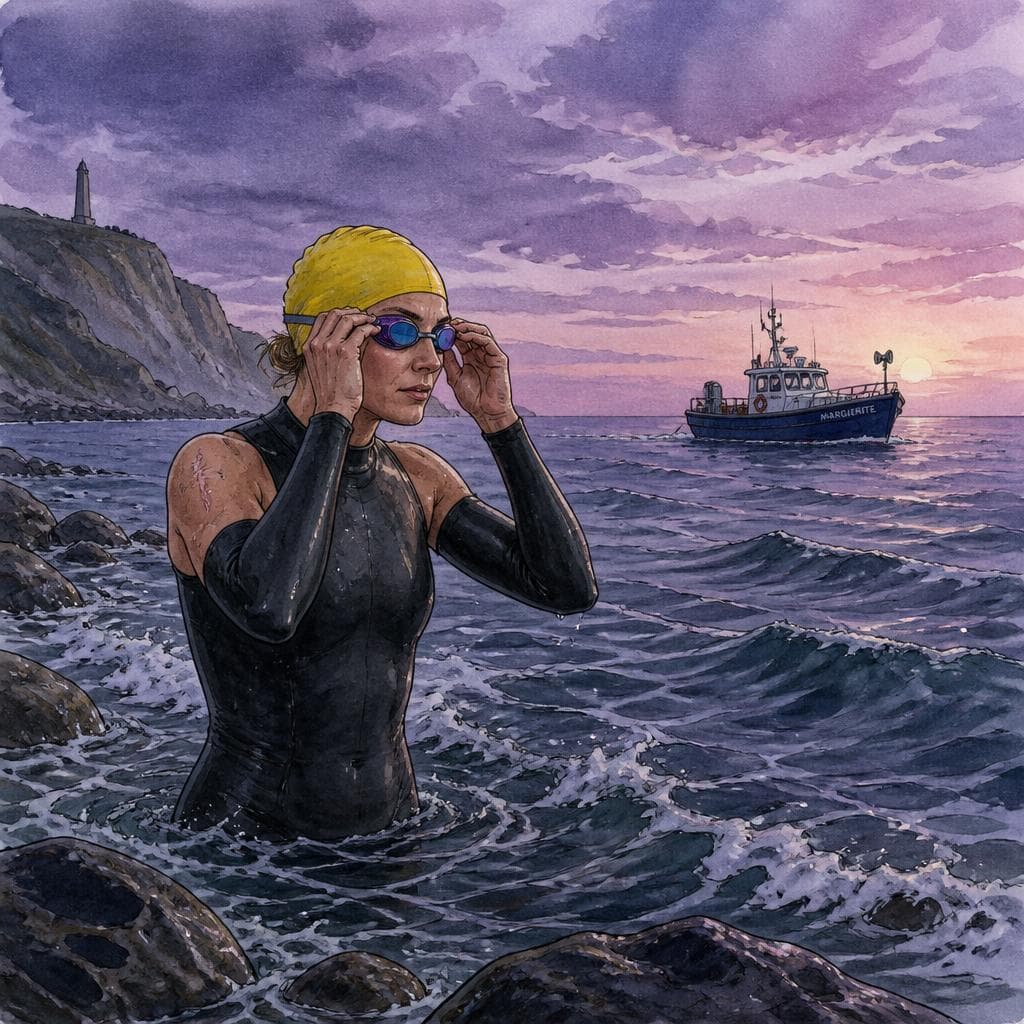
It was 4:47 in the morning when she entered the water at Cap Gris-Nez, the narrow tip of France that juts toward England like a pointed finger. The Channel crossing — thirty-three kilometres at its narrowest — is considered one of the most demanding open-water swims in the world. This is not because of the distance alone, but because of everything that comes with it: the tidal currents that shift every six hours, the water that sits at a relentless fourteen degrees Celsius, and the shipping lanes where cargo vessels the size of apartment blocks move without concern for lone human bodies.
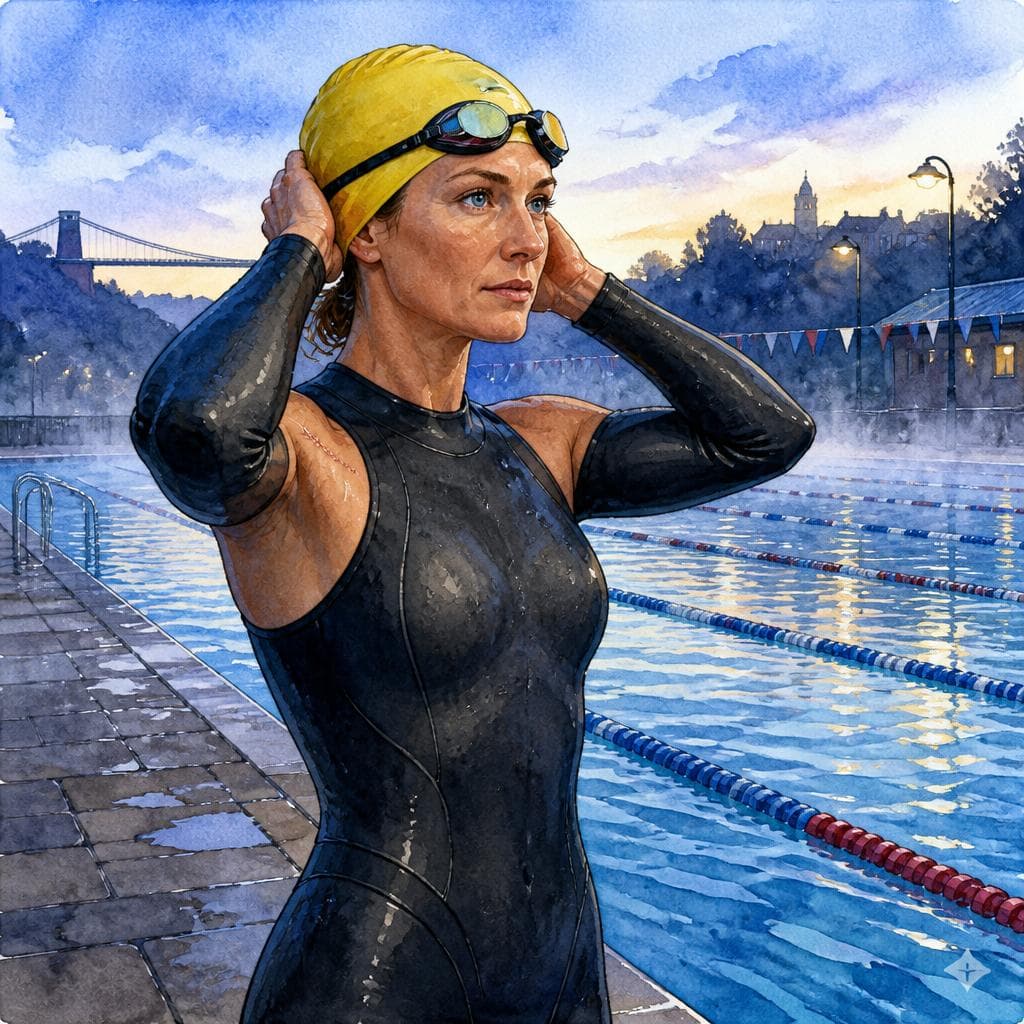
Donna Marsh was forty-one years old. She was not a professional athlete. She was a secondary school geography teacher from Bristol who had spent the last three years getting up at five in the morning to swim in an outdoor pool before her students arrived. Her husband, Greg, had started calling her "the fish" — affectionately at first, then with a trace of something harder to name.
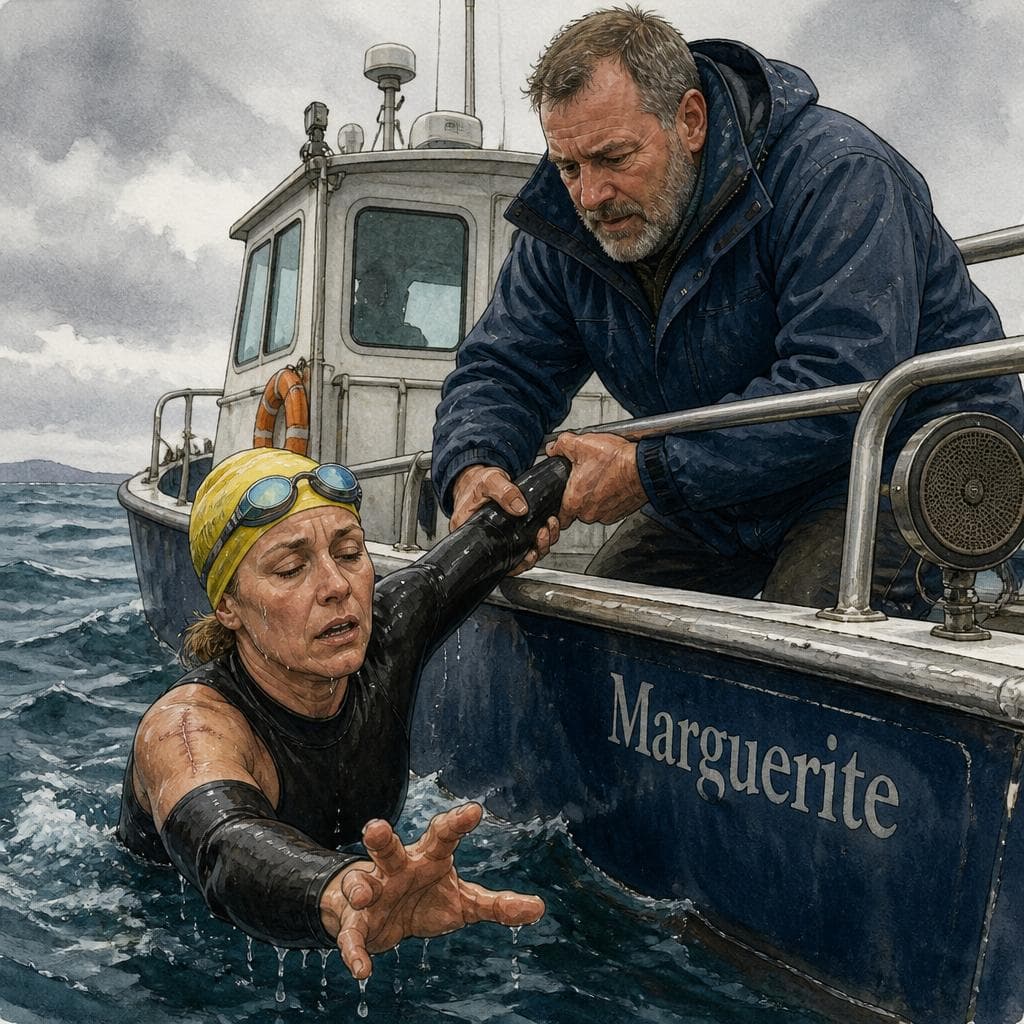
She had attempted the crossing once before, two years ago. She had been pulled from the water eleven kilometres from the English coast, shaking uncontrollably, her core temperature dangerously low. The official term for stopping a swim is "retiring." Donna had never felt comfortable with that word. It sounded voluntary.
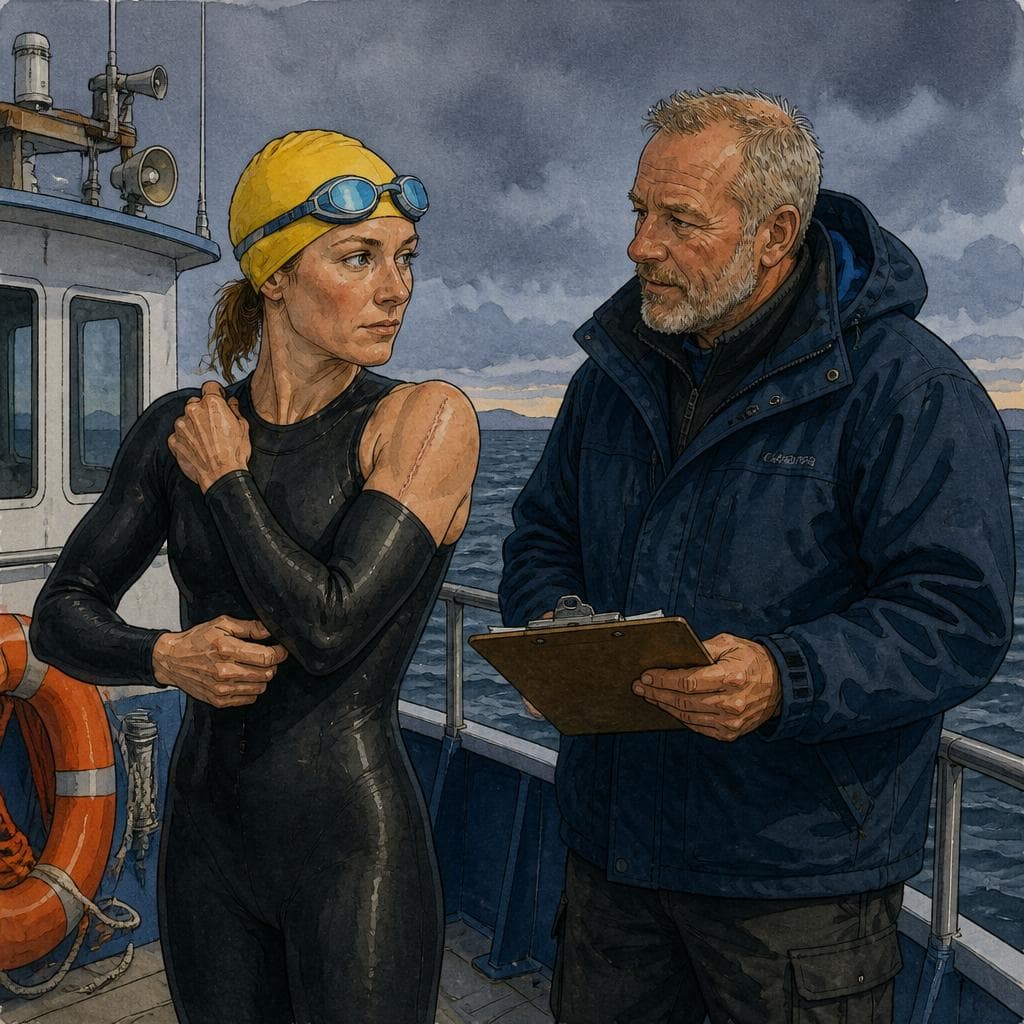
This time, she had told almost no one. Greg knew, obviously. Her coach, Patrick, was on the Marguerite along with a small crew. But she hadn't posted anything online. She hadn't told her colleagues at school. If she failed again, she wanted the silence of it to belong entirely to her.
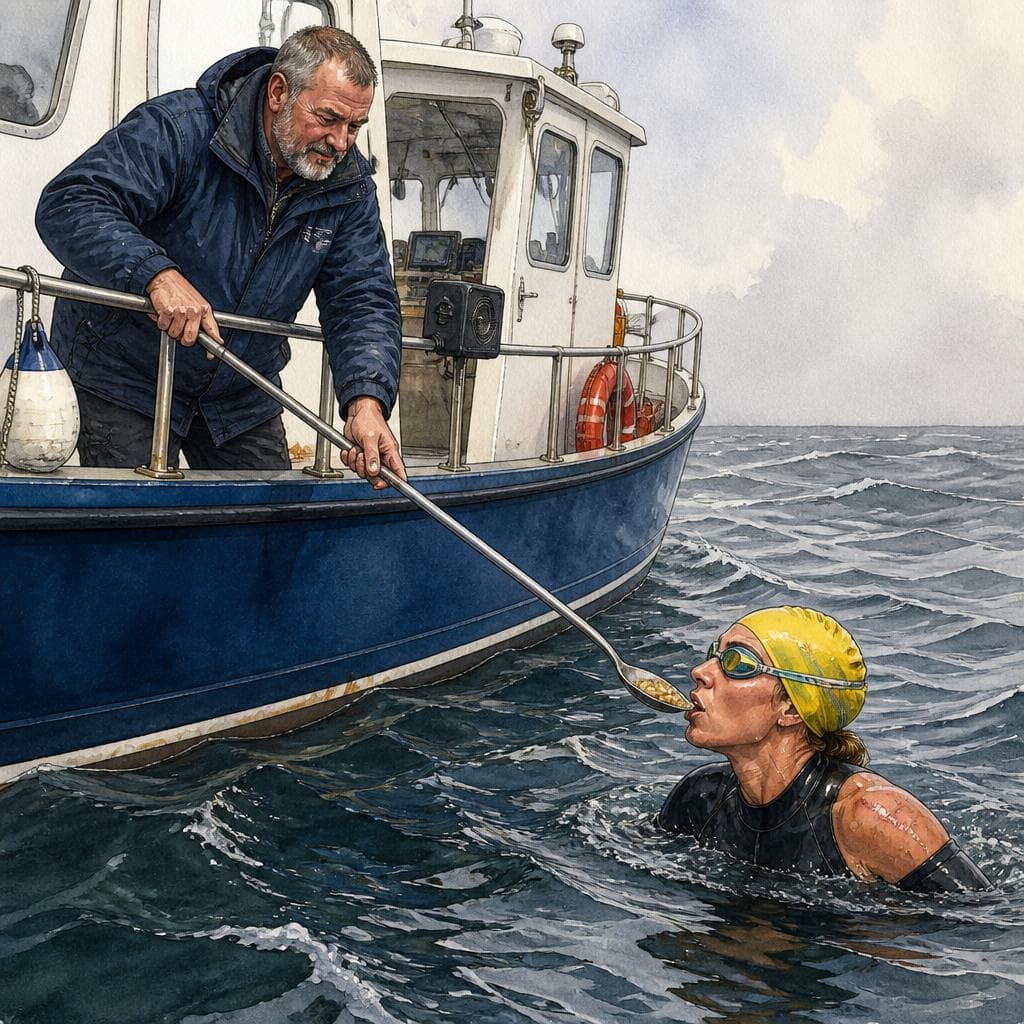
For the first six hours, everything went according to plan. Patrick fed her energy gels and hot broth through a long-handled spoon, because swimmers in official Channel crossings are not allowed to touch the support boat. He watched her stroke count and tracked her position against the tidal flow. He spoke to her every thirty minutes through a waterproof speaker mounted on the boat's railing.
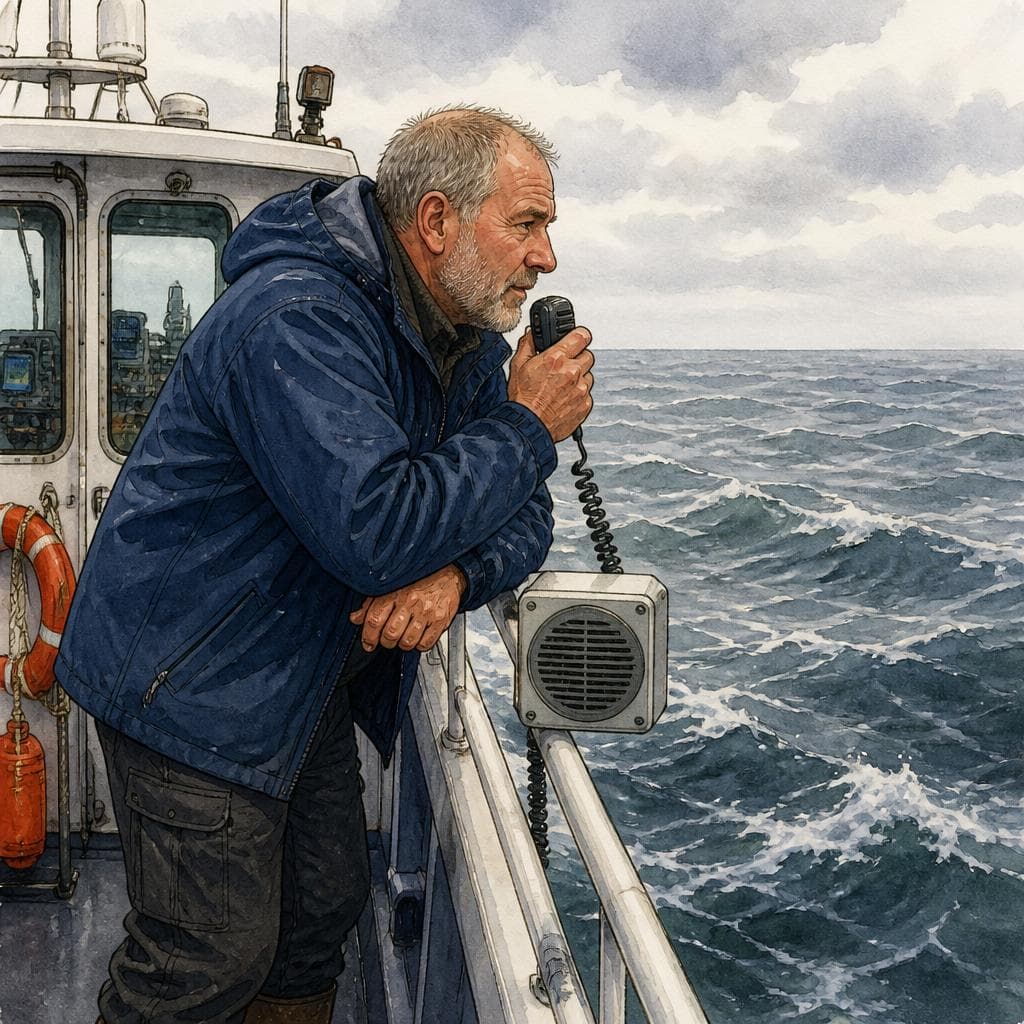
"You're on pace," he said, somewhere around the seven-hour mark. "The current is starting to push you east, but that's expected. We compensate now, not later."
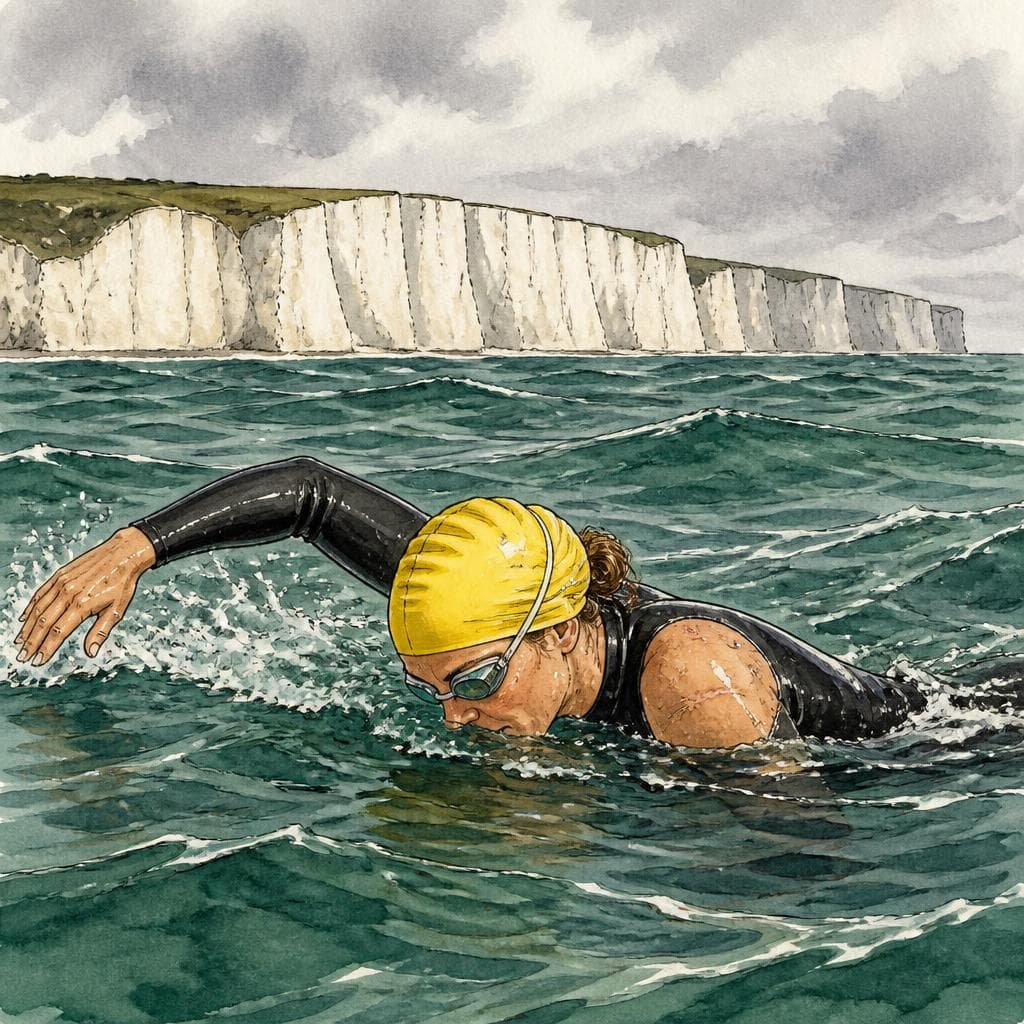
Donna nodded without breaking her rhythm. She had learned, the first time, not to look toward England too early. The White Cliffs of Dover can be visible from surprisingly far out, and their pale, solid presence on the horizon has a strange psychological effect — they make the remaining distance feel both shorter and longer than it really is. She kept her eyes down, watching the dark green water beneath her, and she swam.
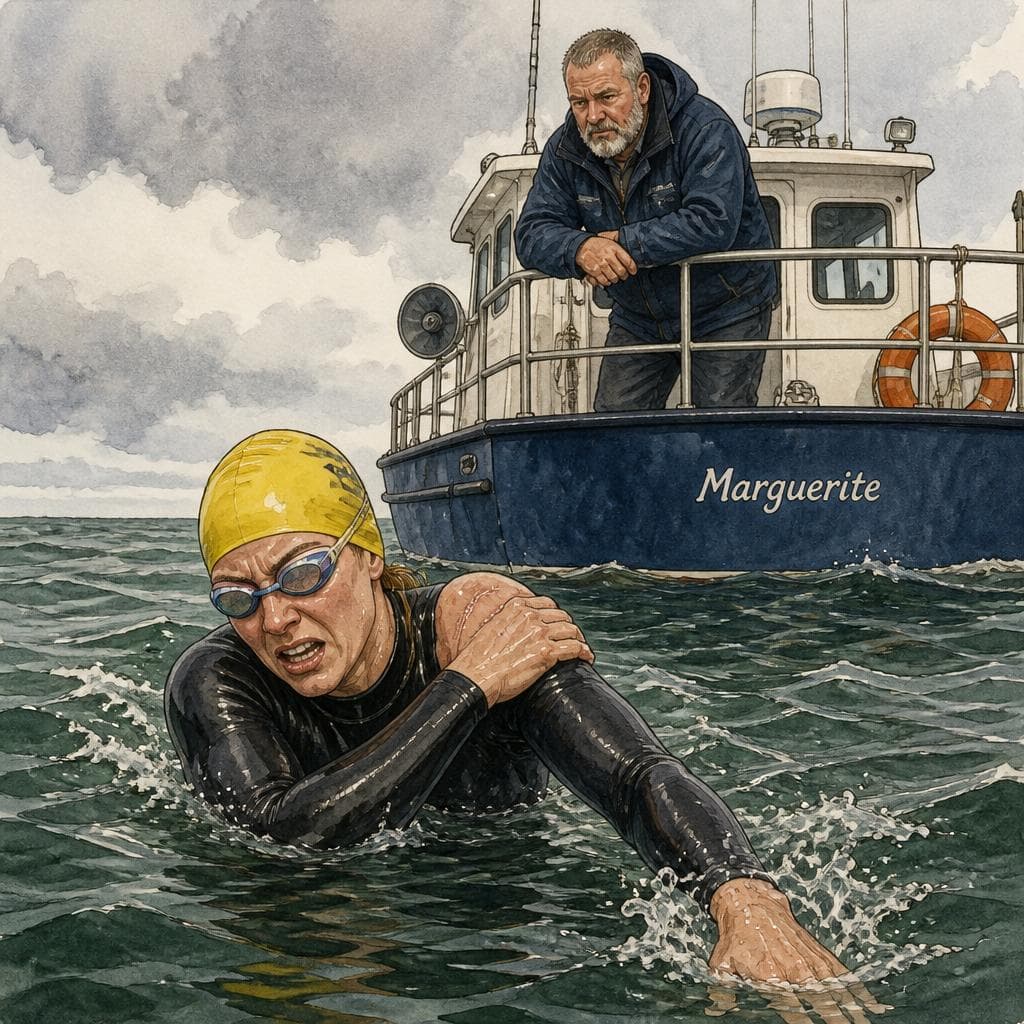
At hour nine, her shoulder started to ache. It was her left shoulder — an old injury, scar tissue from a torn rotator cuff she had repaired surgically four years ago. She felt it first as a dull warmth, the way a warning feels before it becomes a fact. Then, forty minutes later, it became something sharper. She adjusted her stroke. Patrick noticed immediately.
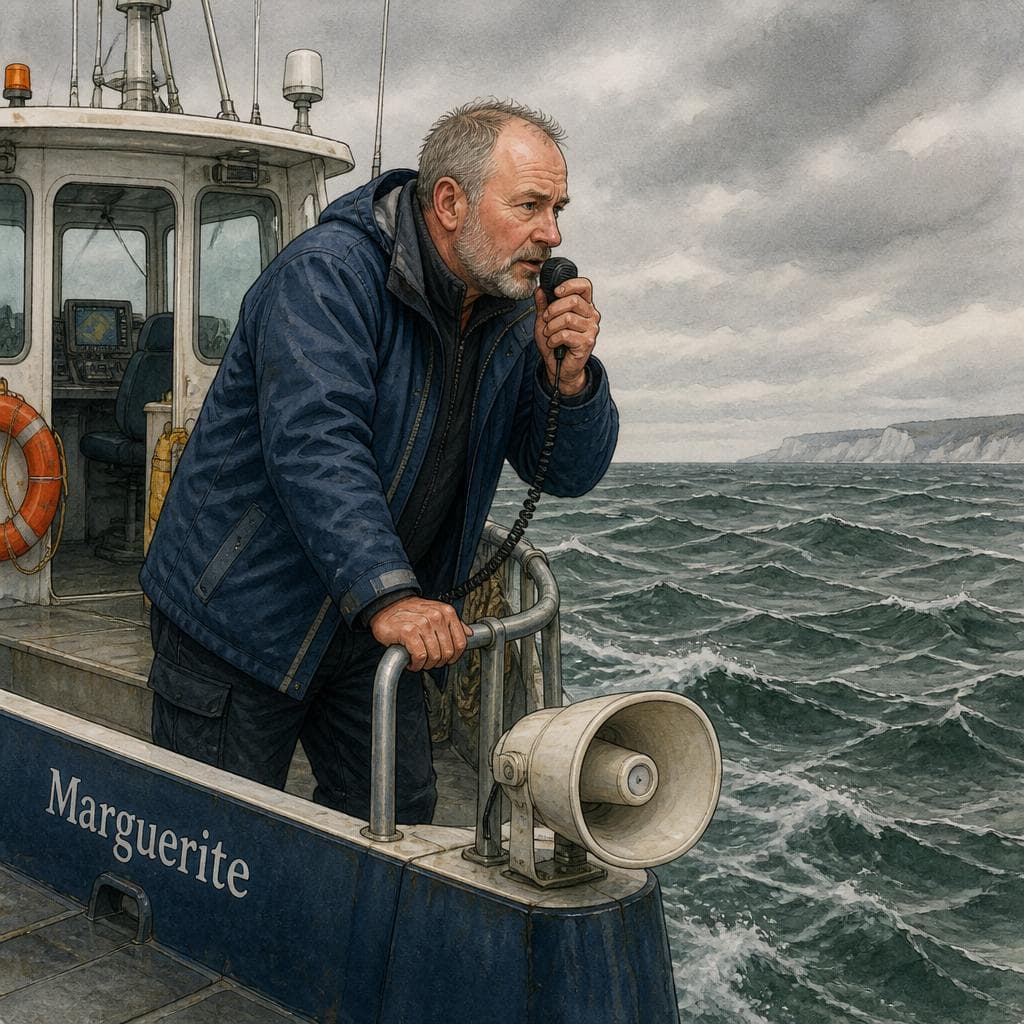
"Left arm's pulling short," he said through the speaker. "What's happening?"
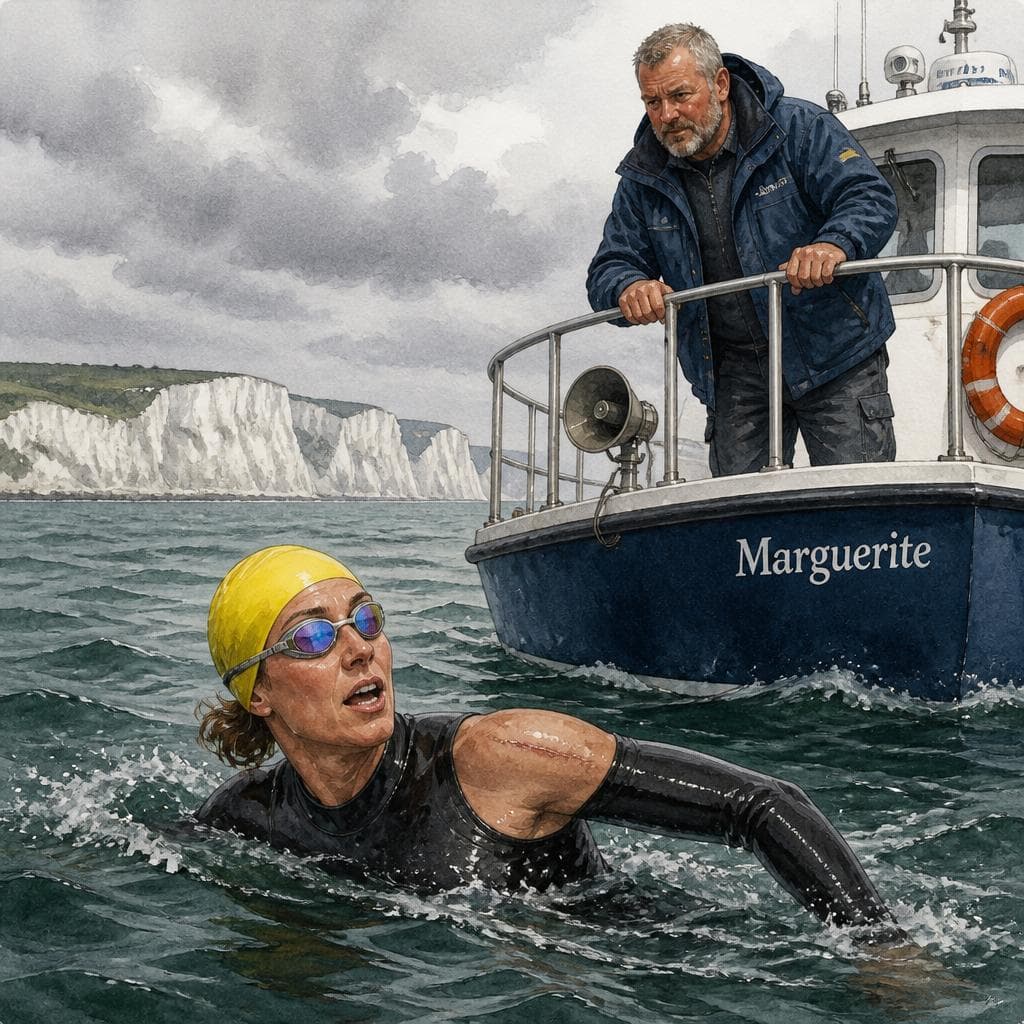
"Fine," she said. This was a lie, and they both knew it.
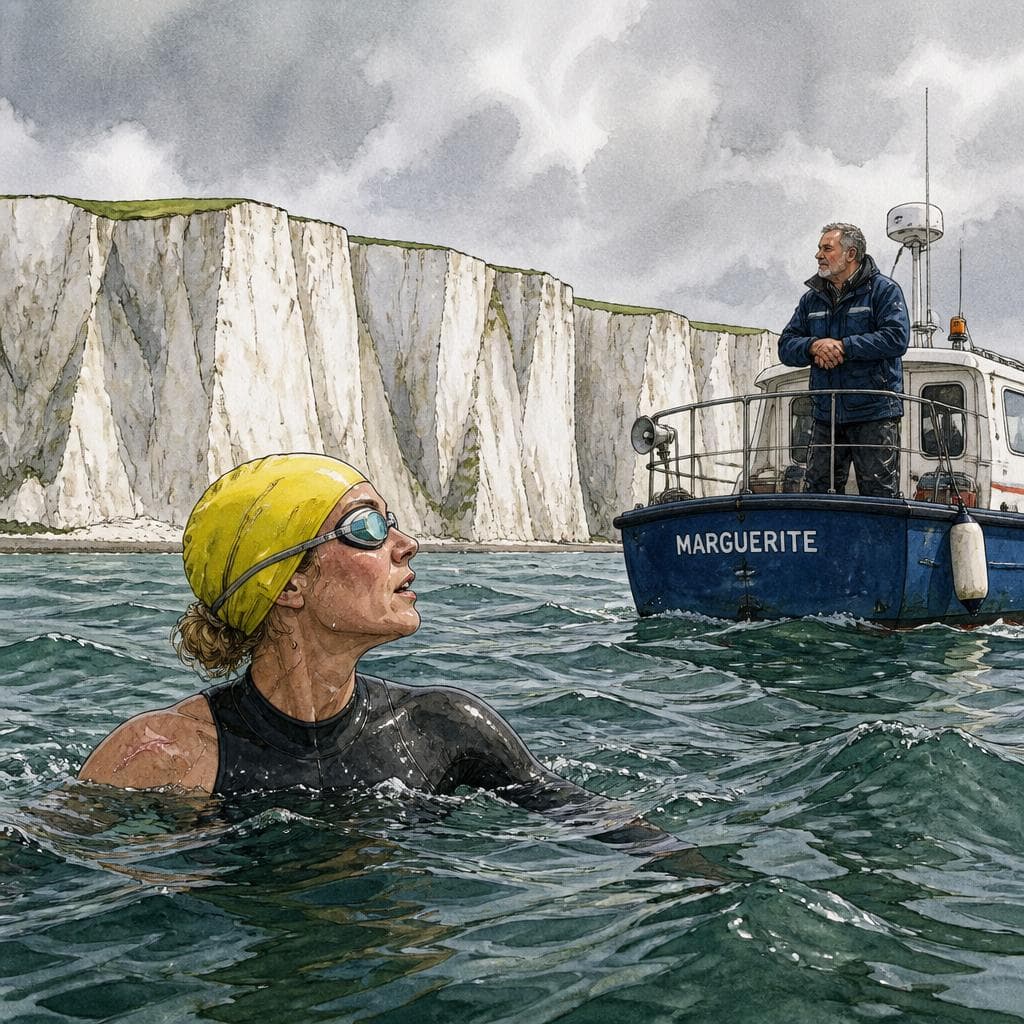
By hour eleven, the White Cliffs were visible. She had promised herself she wouldn't look, but the crew's energy had shifted — a quiet, collective leaning toward the rail — and she couldn't help it. There they were. Enormous. Impossibly white against a grey morning sky. Less than five kilometres away, Patrick told her. Perhaps ninety minutes of swimming, if she held her pace.
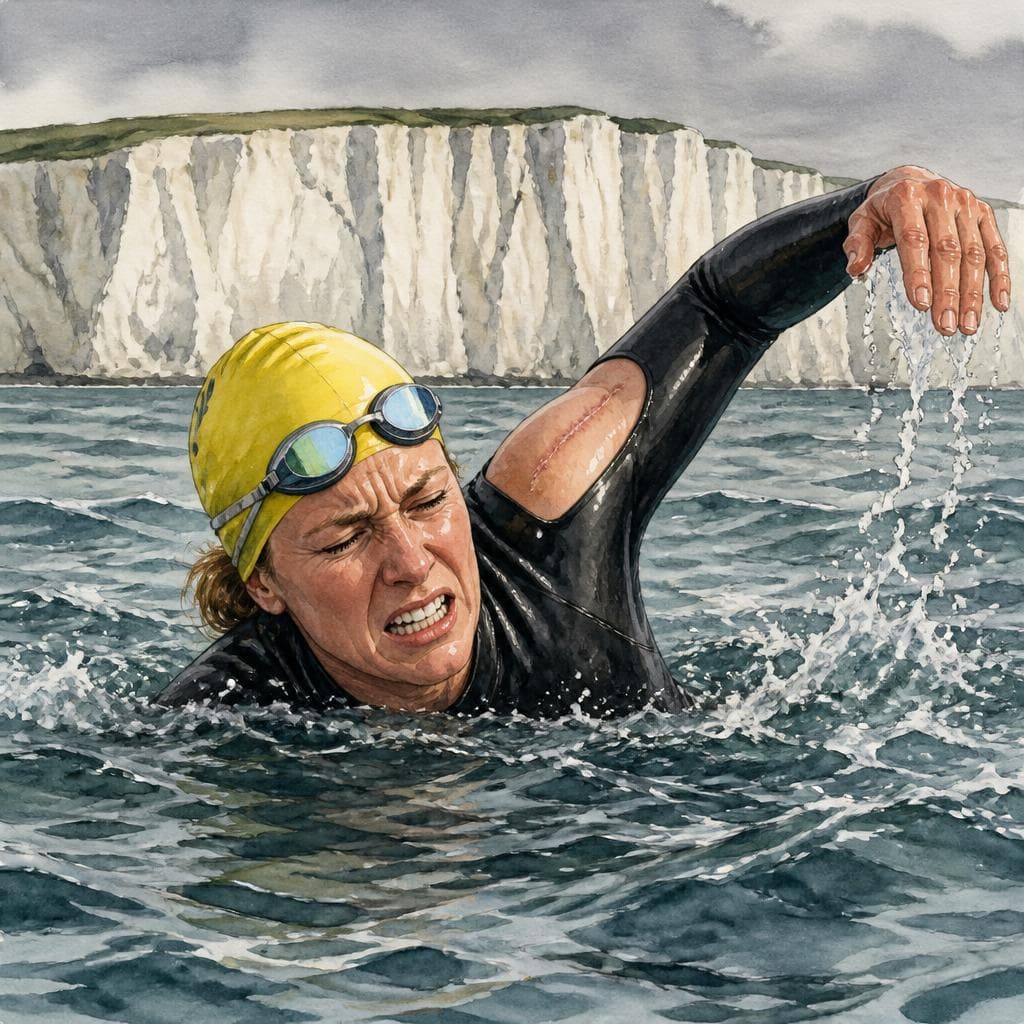
Her shoulder was burning now with every rotation of her left arm. This was not the sustainable discomfort of a long swim, but something more urgent, the kind of pain that has an opinion about what you should do next.
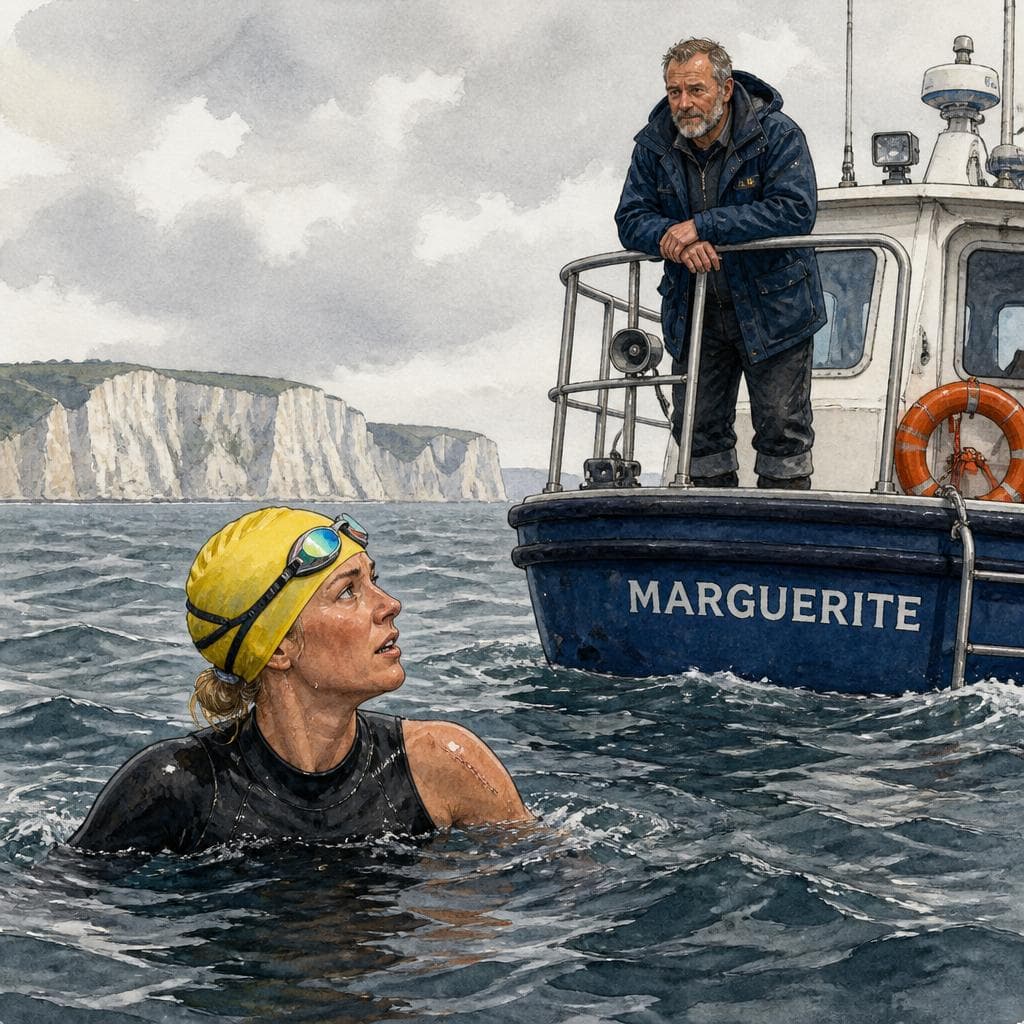
She stopped swimming. She treaded water for a moment, turning to face the boat. Patrick was already at the rail, his face carefully neutral.
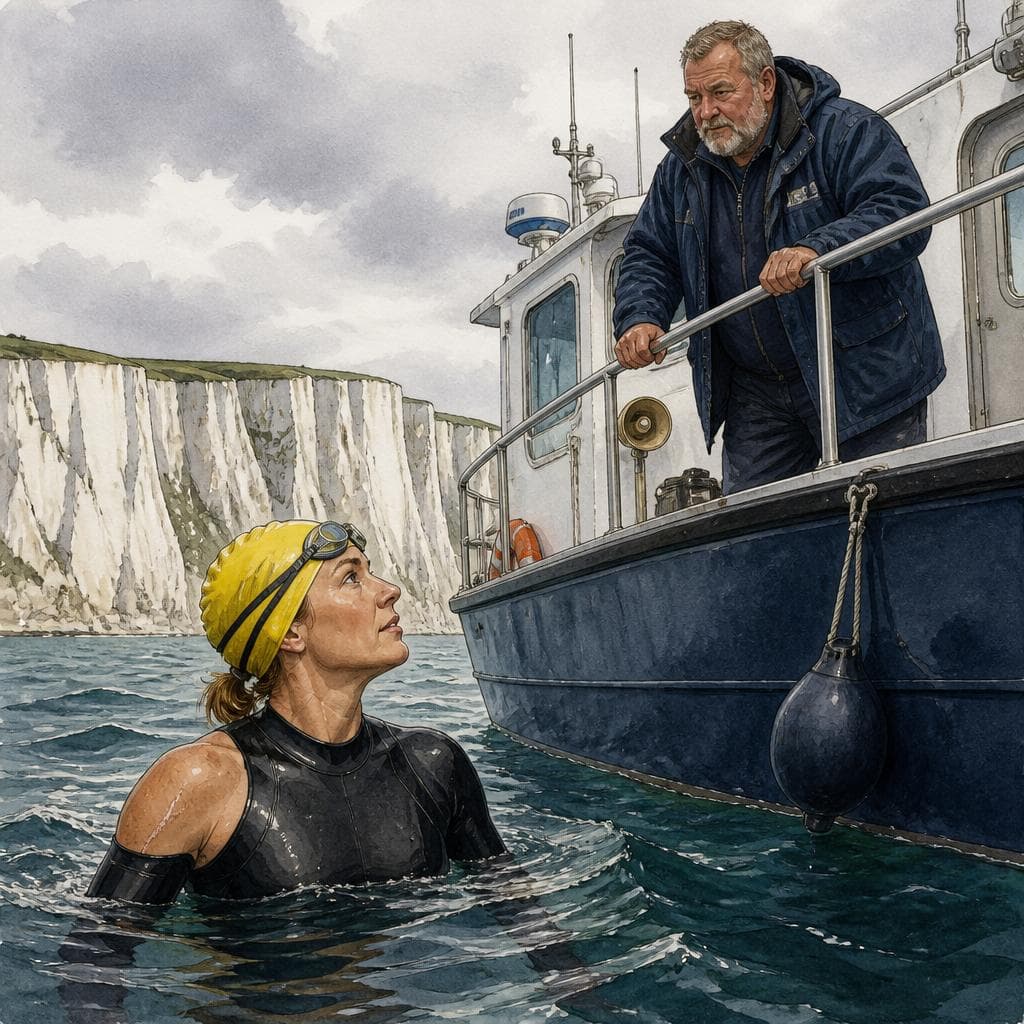
"Give me the situation," she said.
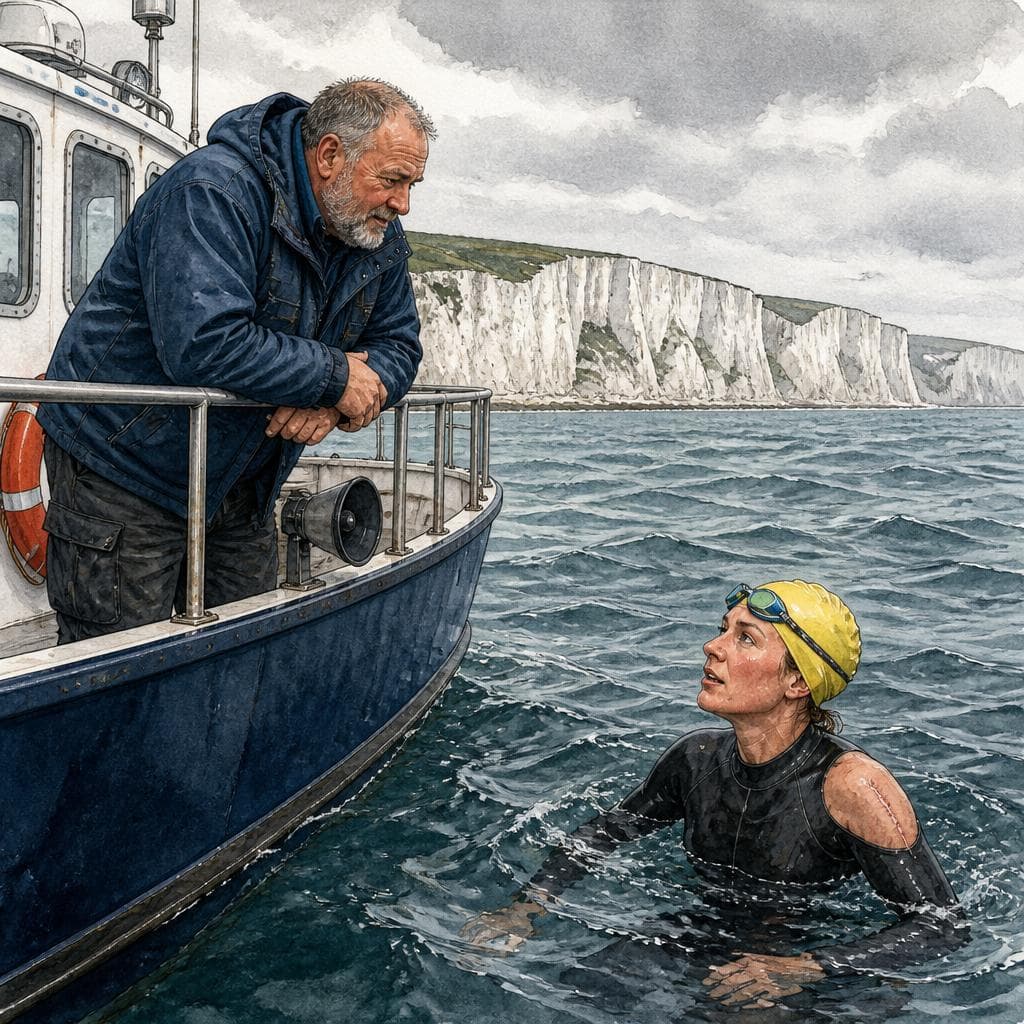
"You're at thirty-one kilometres. Water temperature's dropped half a degree. You've been in eleven hours and twenty minutes." He paused. "Your shoulder is compensating badly. I can see it from here."
"How badly?"
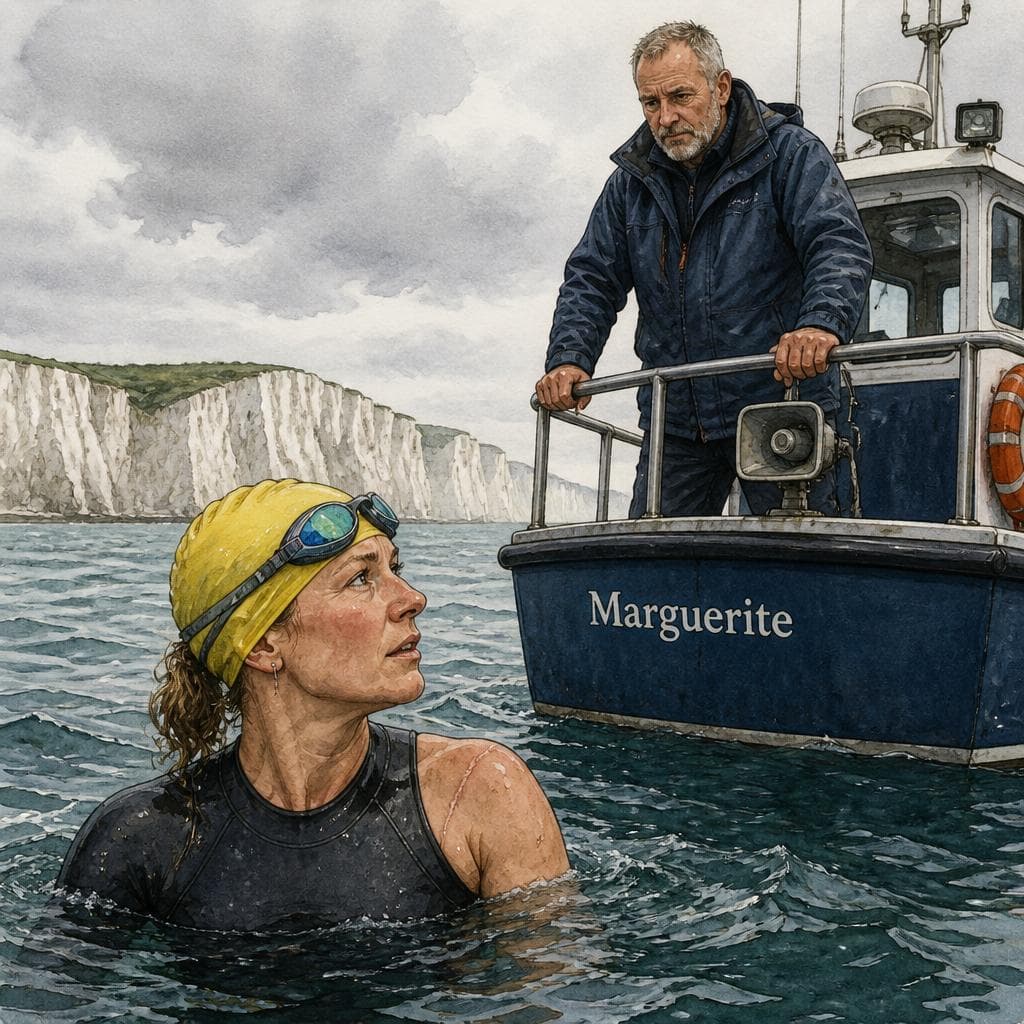
He didn't answer immediately. That was answer enough.
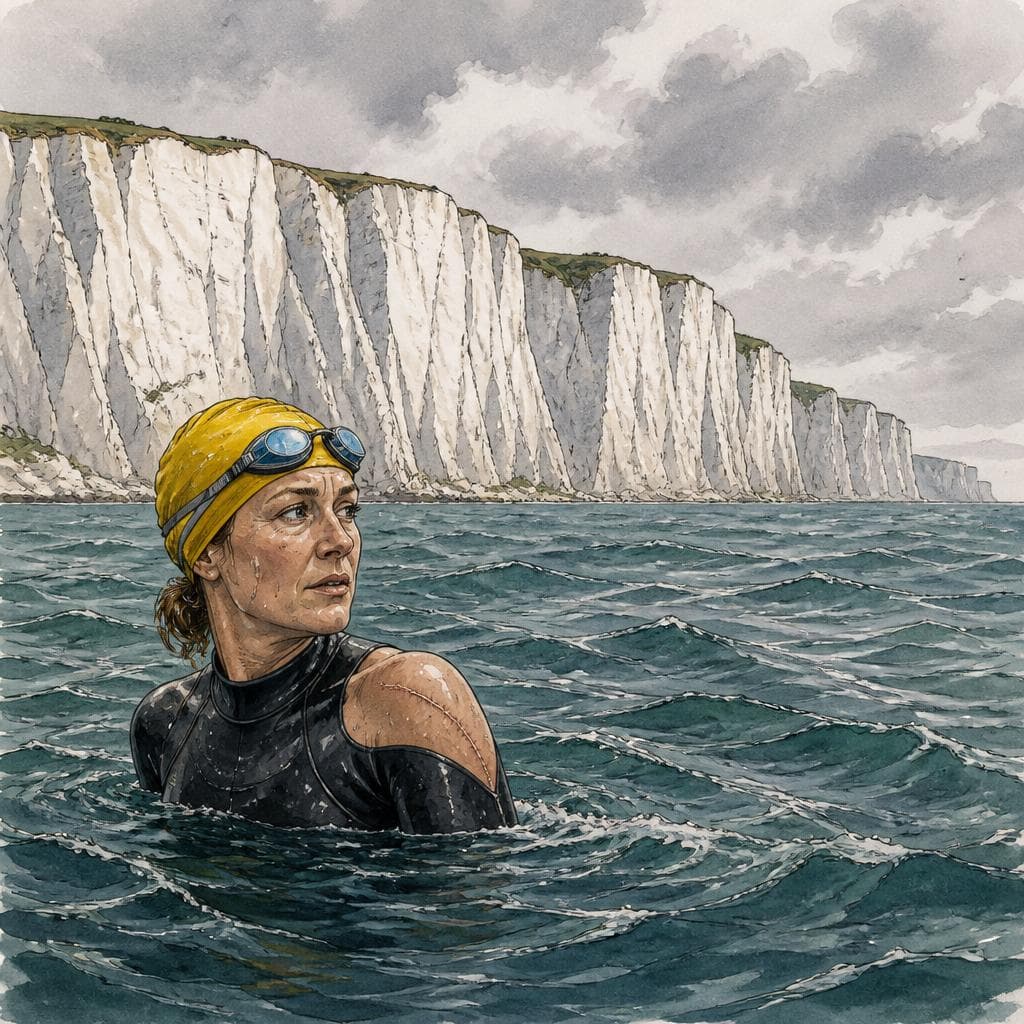
She looked back toward England. The cliffs were extraordinary, the kind of sight that would, under other circumstances, make a person feel very small in a way that was pleasurable. Right now, they just looked like a wall she couldn't reach.
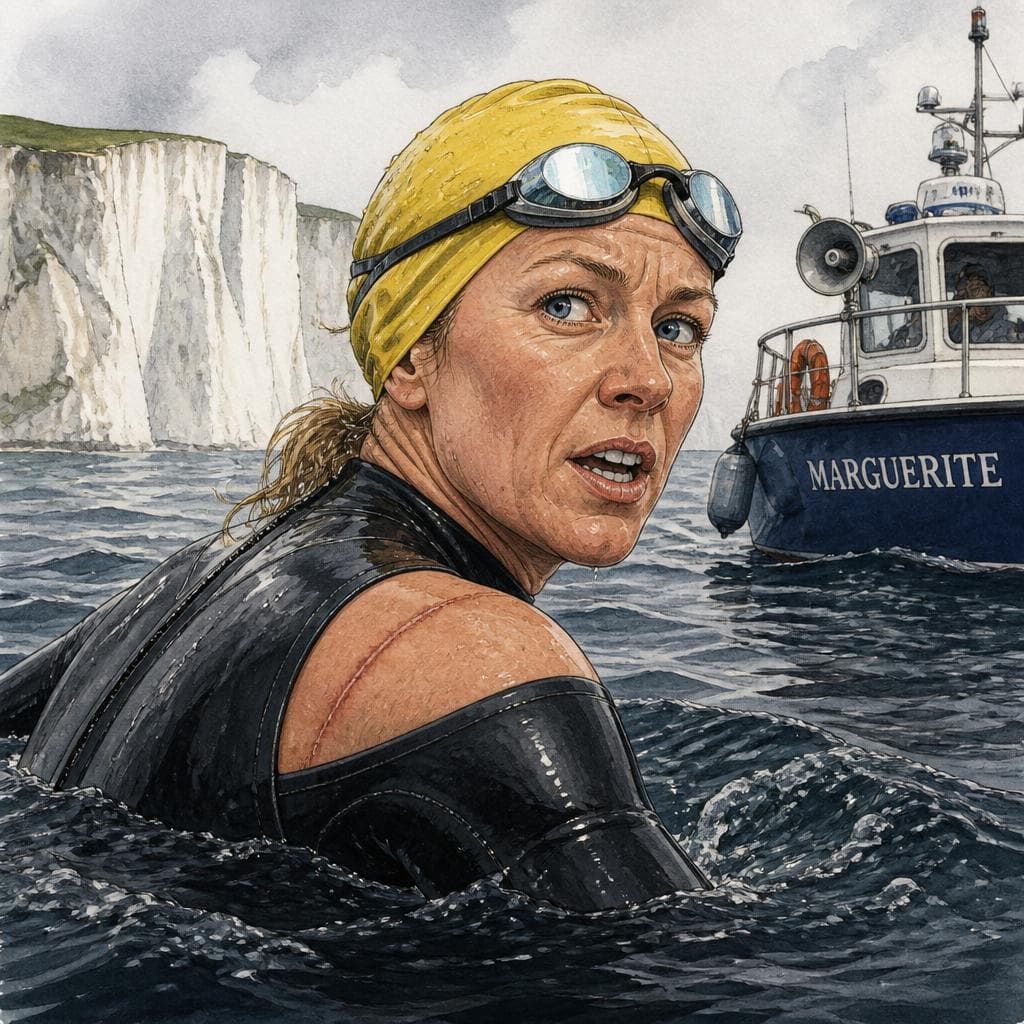
"If I push through—" she began.
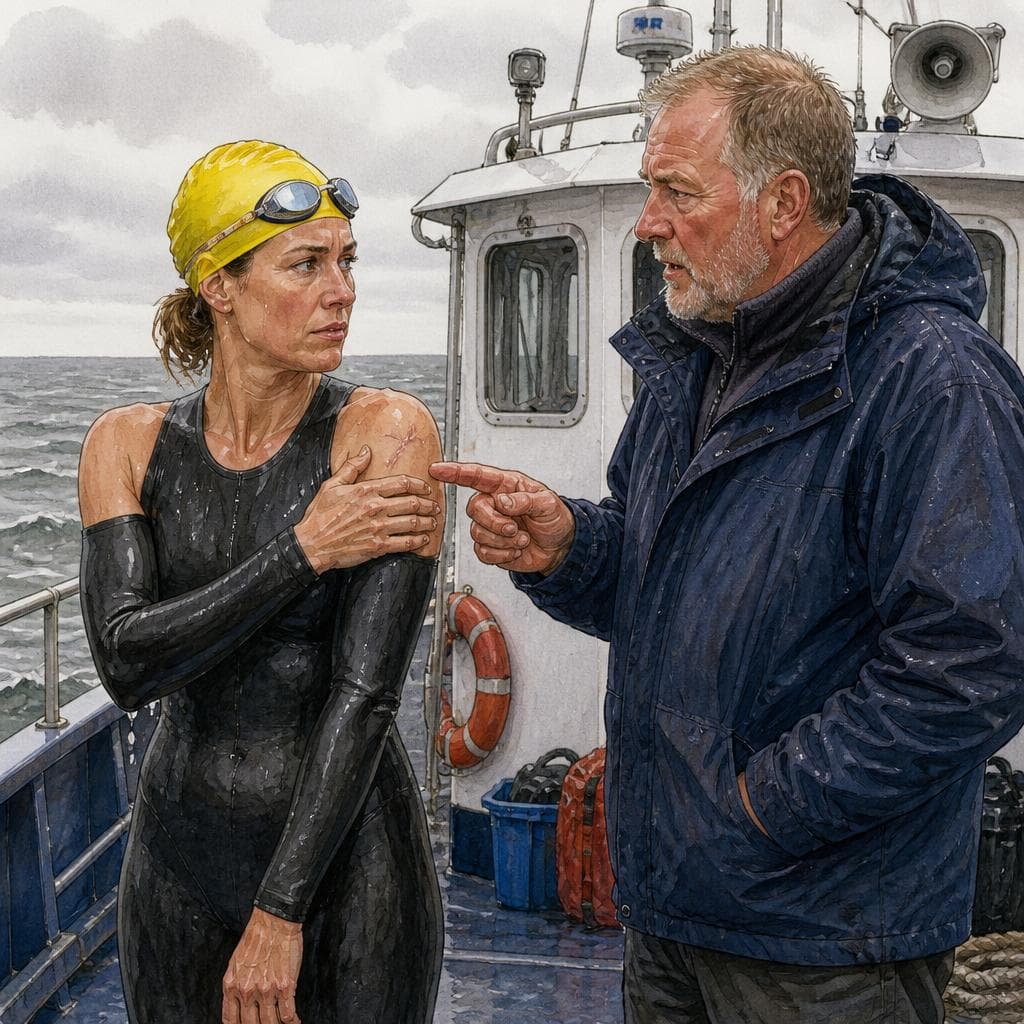
"Donna." It was the first time he had used her name in hours. "I've watched four swimmers cross the Channel. I've also watched one tear her shoulder trying to finish a swim she should have retired from. She didn't swim competitively again for two years."
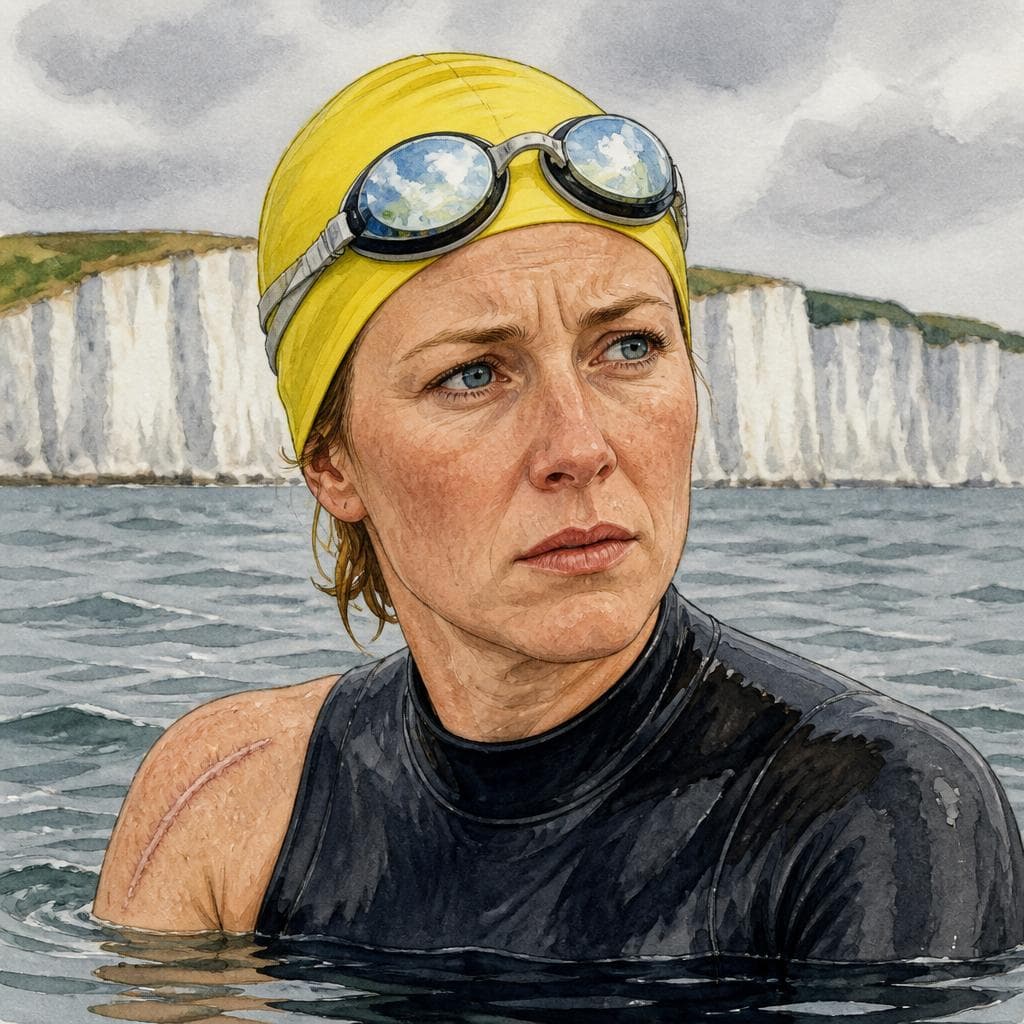
The word retired. There it was again.
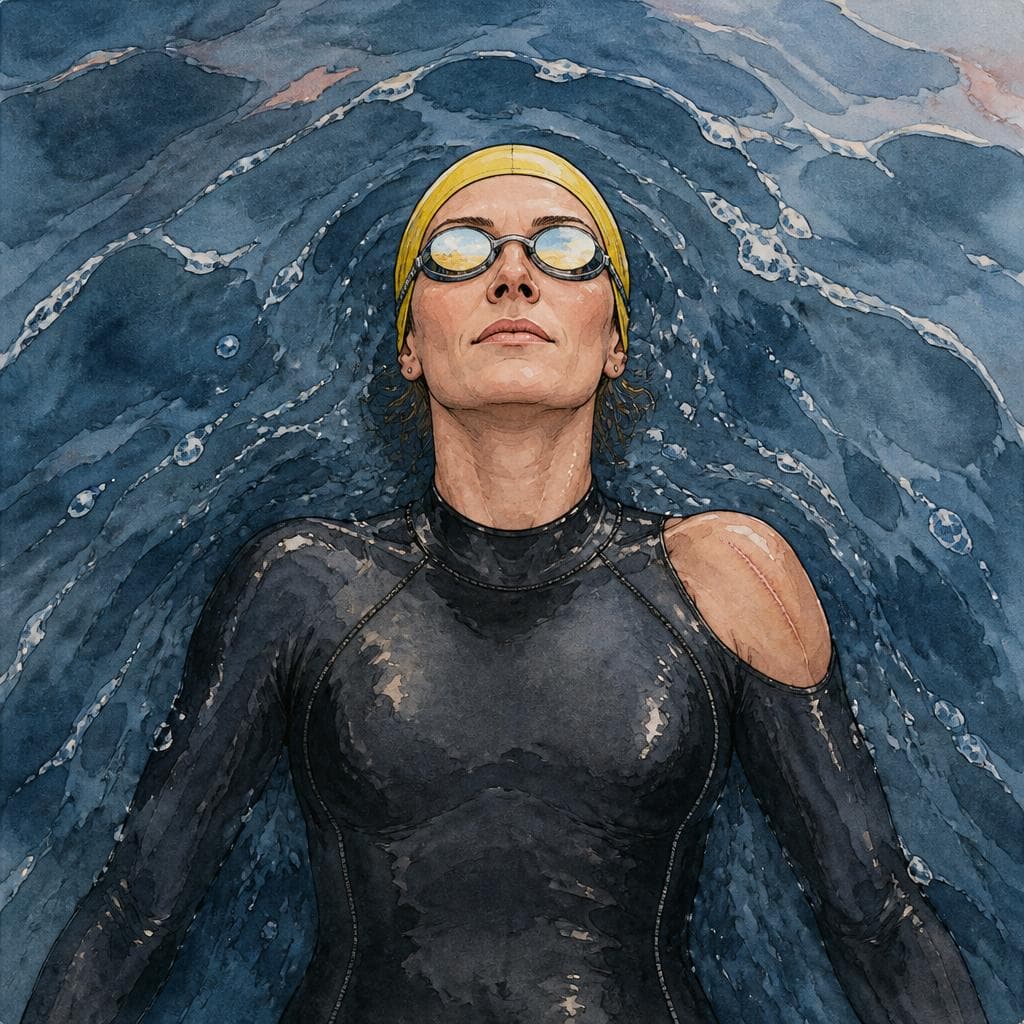
She floated on her back for a long moment, looking up at the lightening sky. The cold water held her with the impersonal steadiness it had always held her. Somewhere deep in the current beneath her, she could feel the tidal shift beginning — the invisible six-hour clock that dictated everything out here.
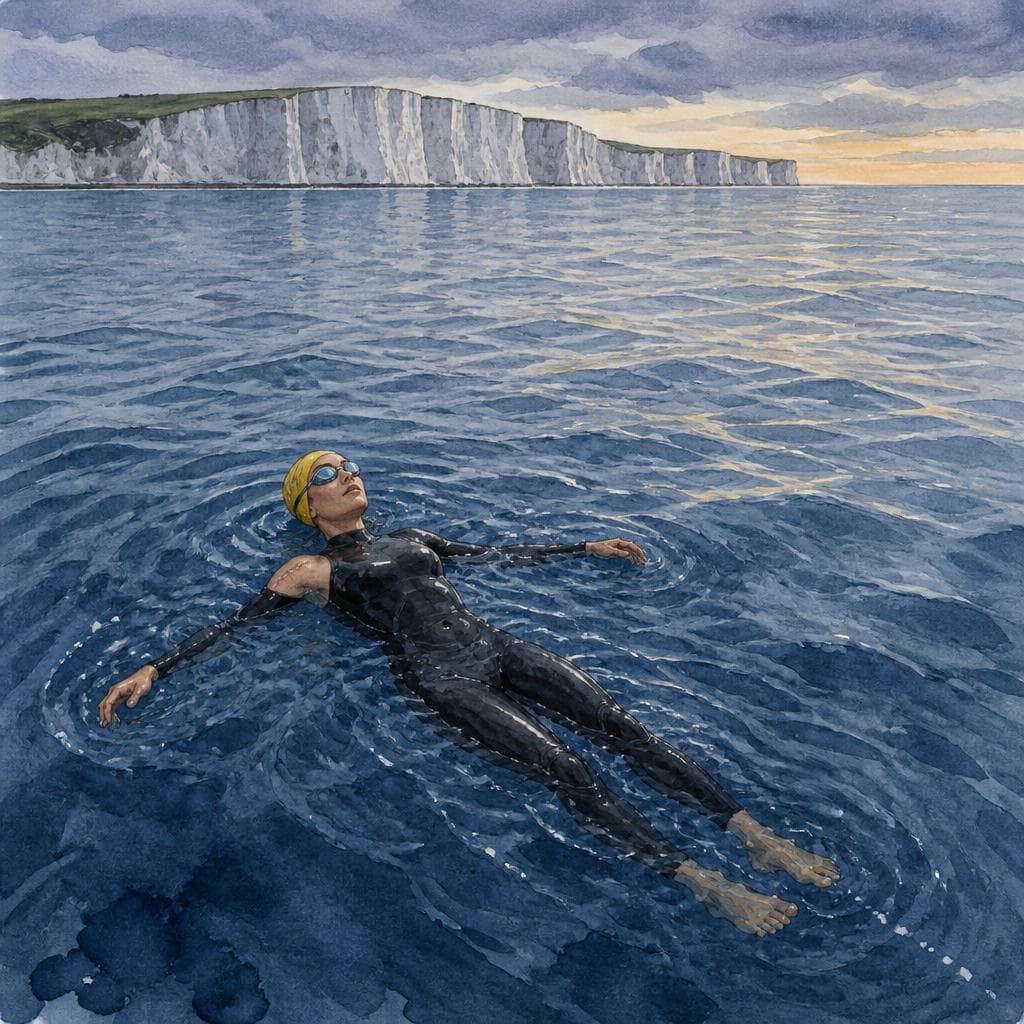
She thought about Greg, and the trace of something harder to name in his voice. She thought about her students, who didn't know she was here. She thought about what it would mean to swim four more kilometres on a tearing shoulder, to crawl onto a pebbled English beach alone and triumphant but unable to lift her arm — and whether that was glory or just stubbornness dressed up in a wetsuit.
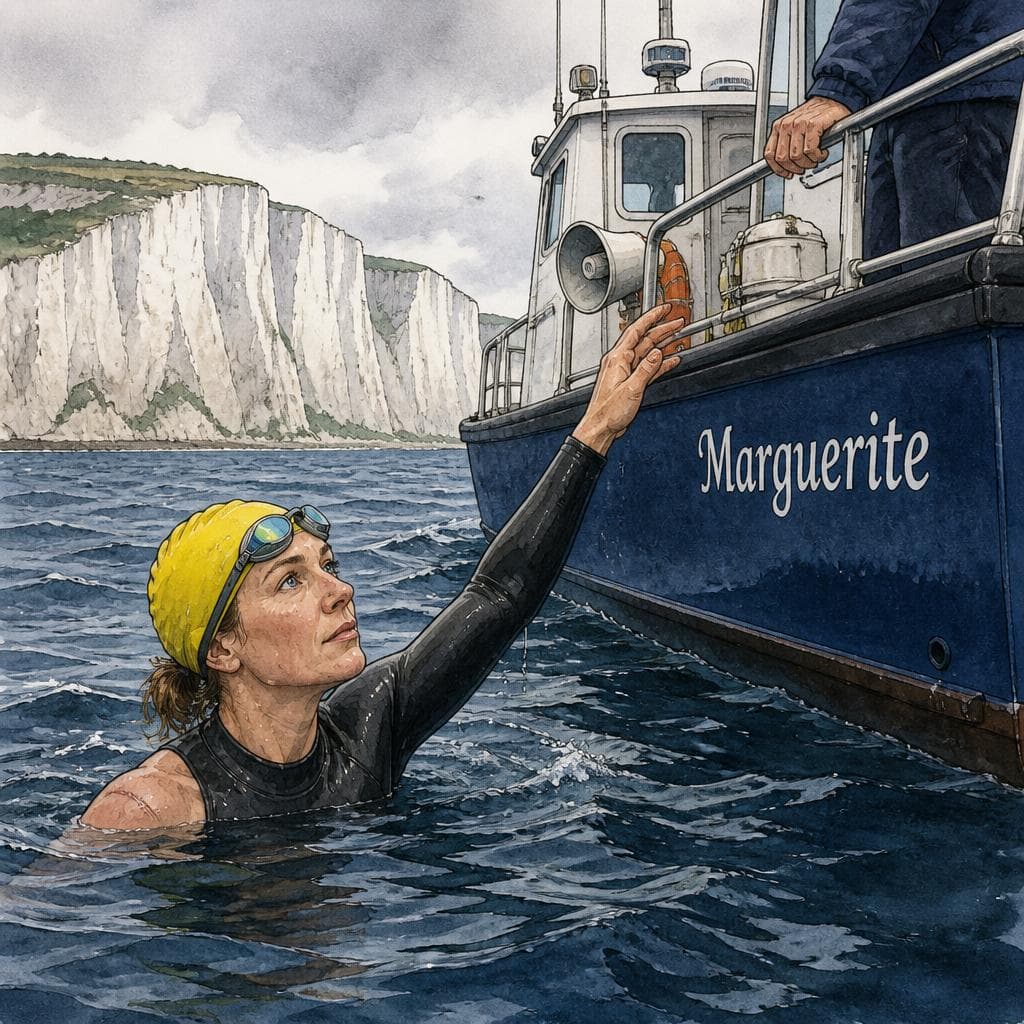
"Pull me out," she said.
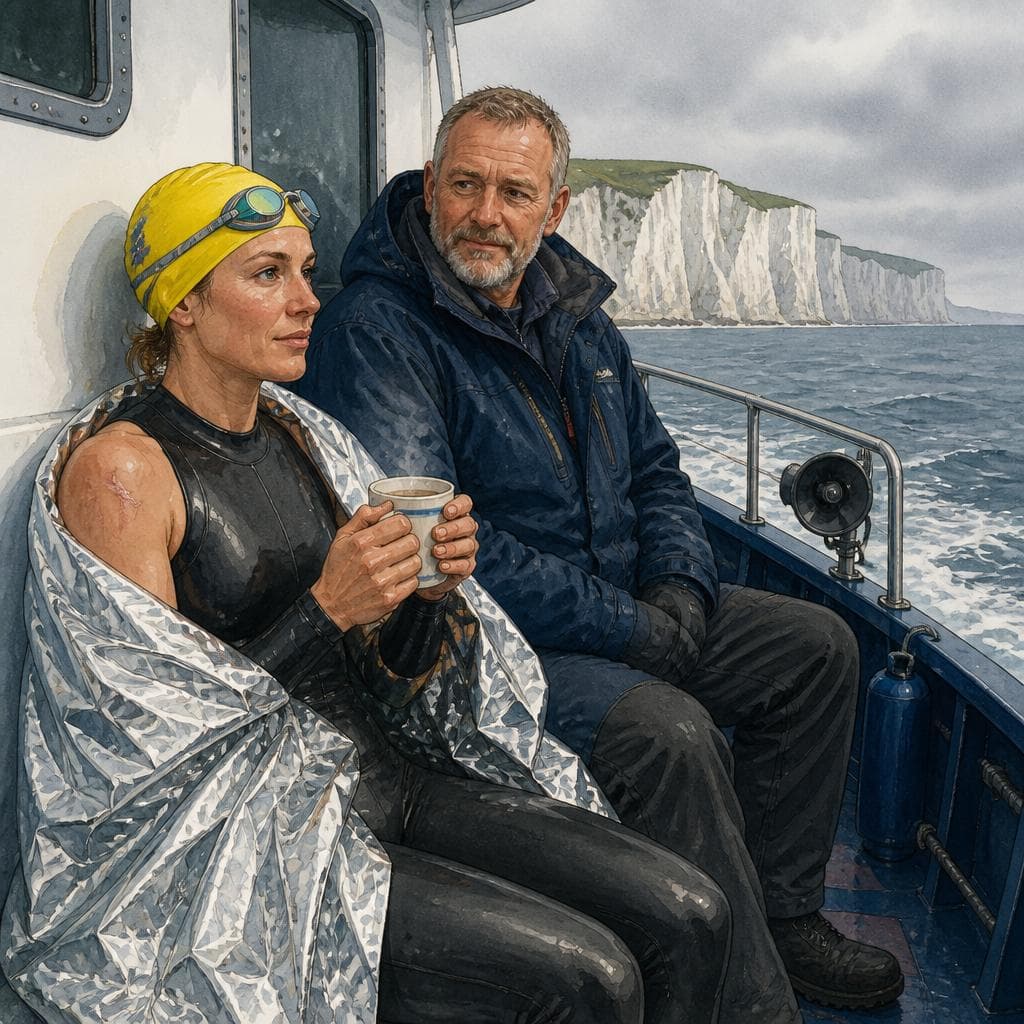
On the boat, wrapped in a foil blanket and drinking tea she could barely taste, Donna sat with her back against the cabin wall and watched the White Cliffs grow slowly smaller as the Marguerite turned south. Patrick sat beside her, saying nothing, which was what she needed.
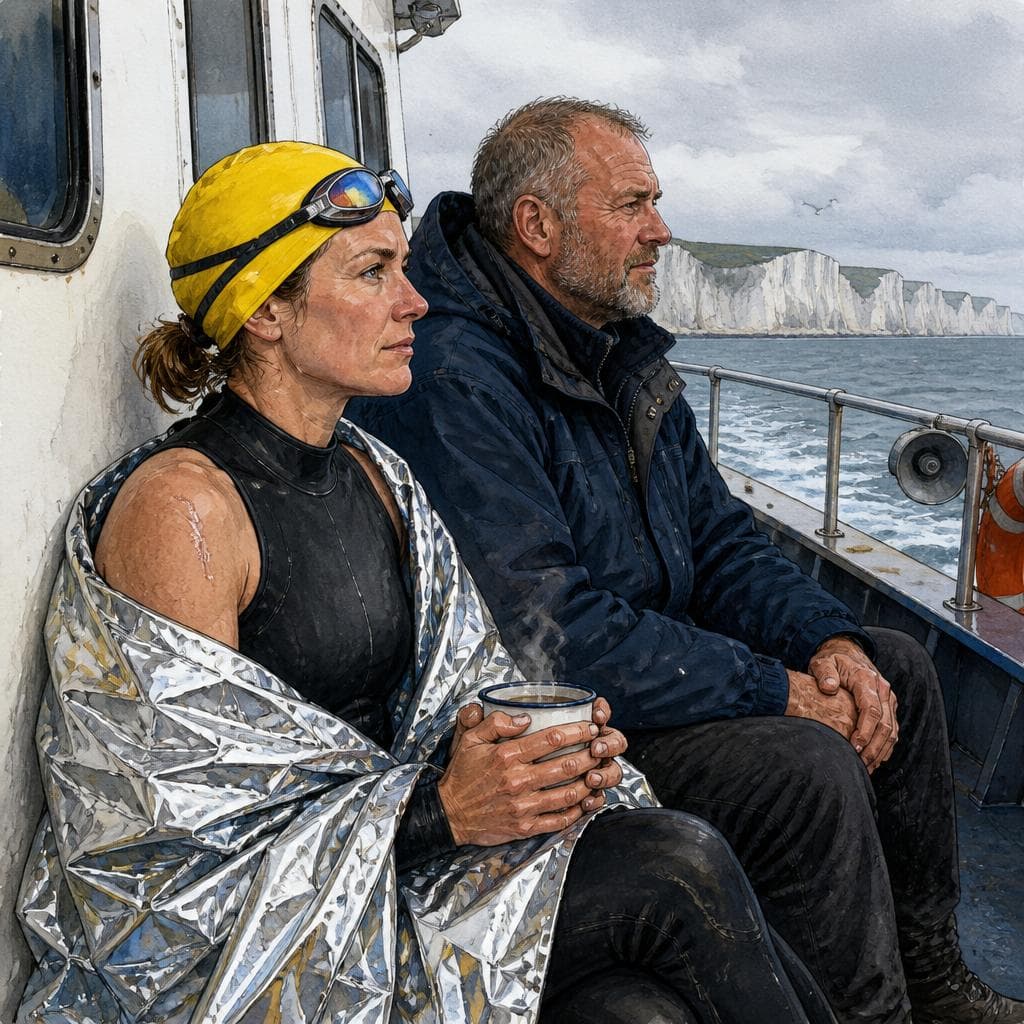
After a while, she said, "I'm going to apply again. Next summer."
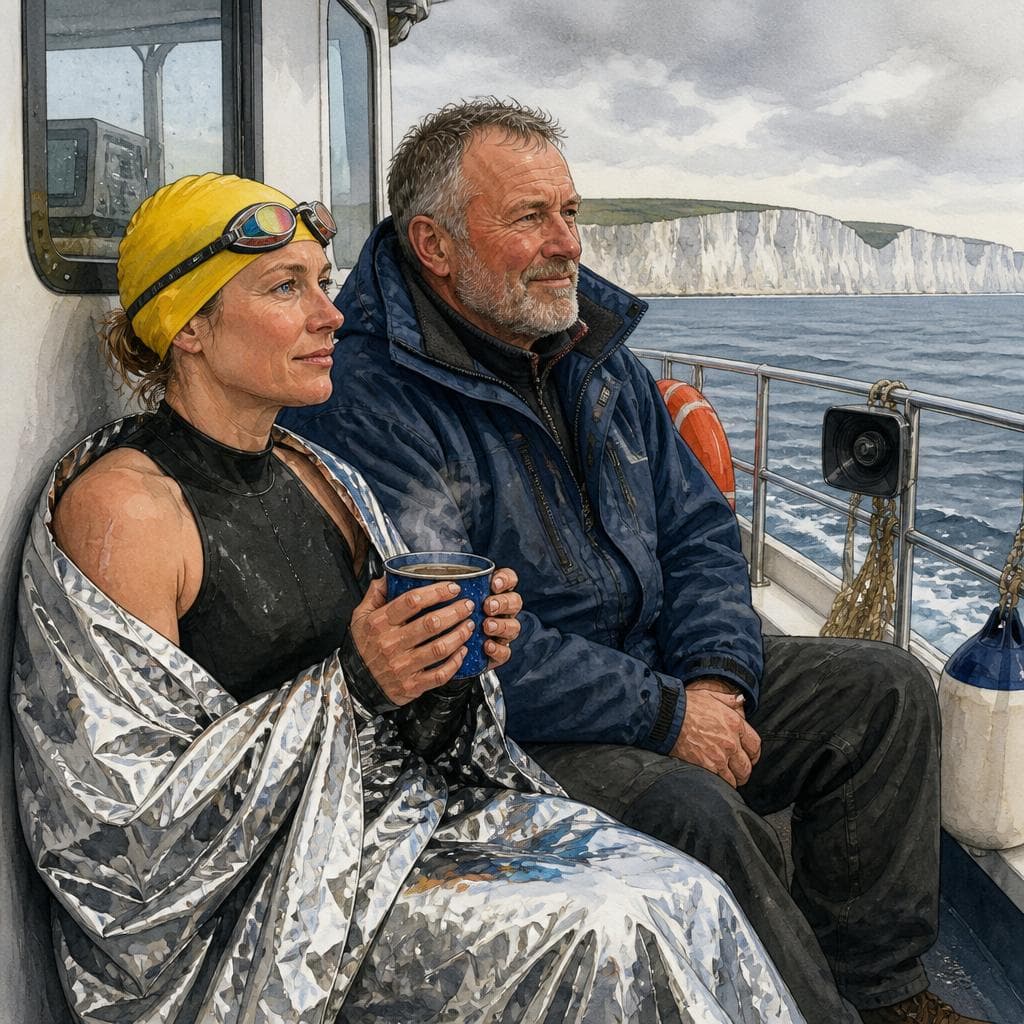
"I know," he said.
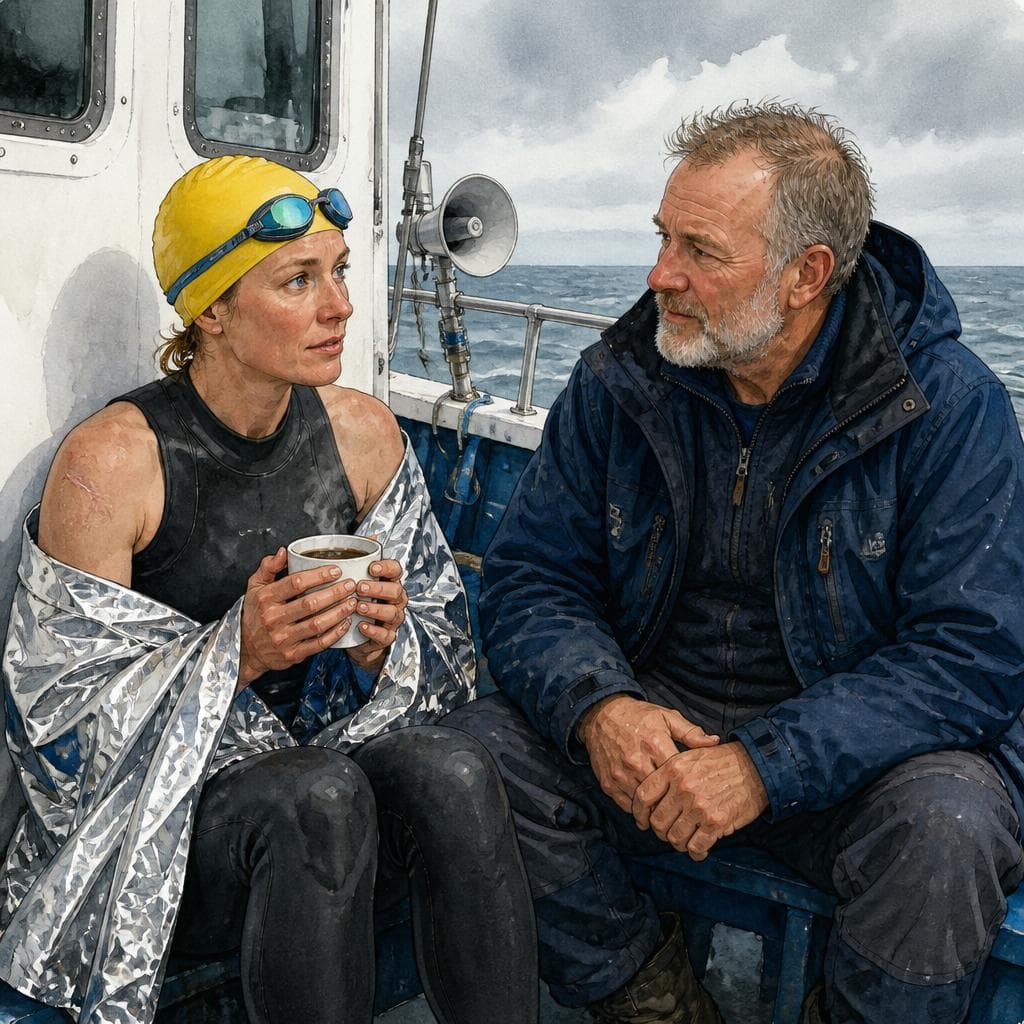
"I need to know something, though." She looked at him. "Was that the right call? Honestly?"
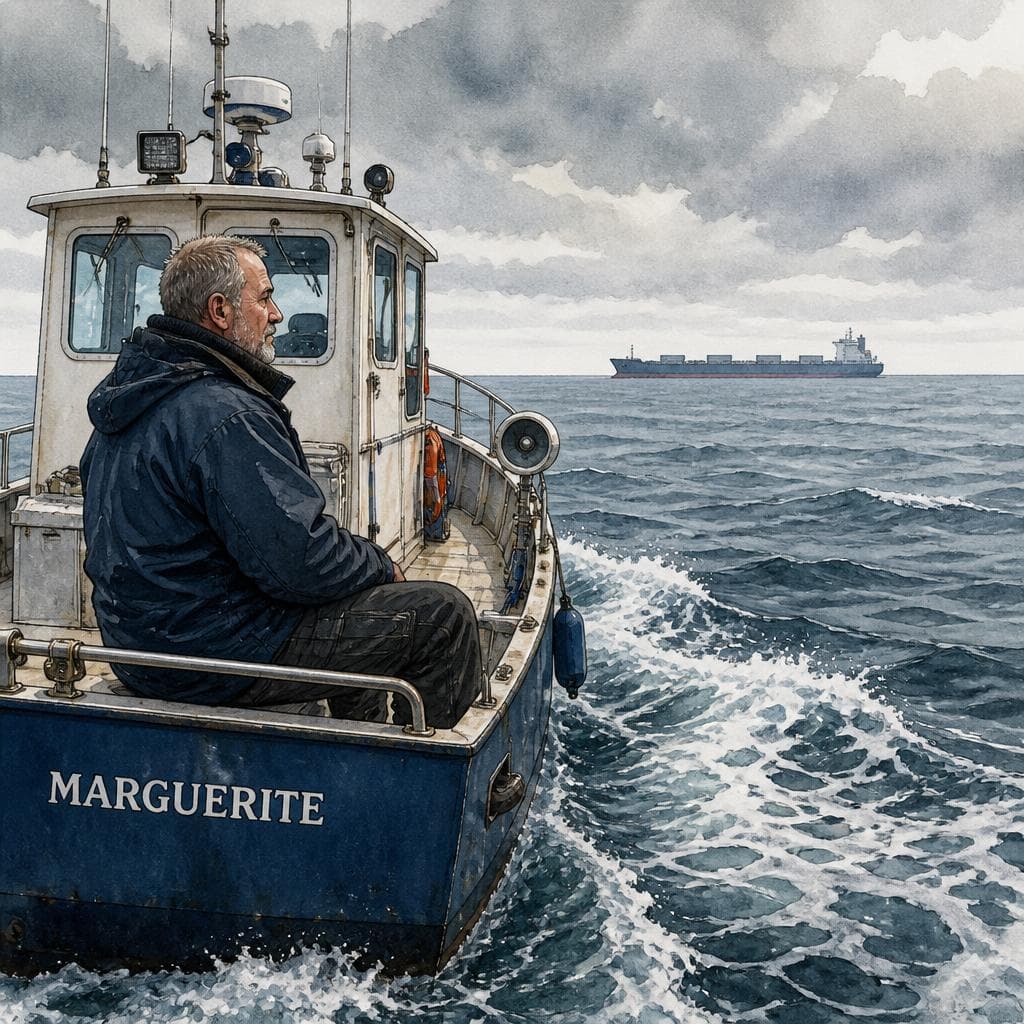
He was quiet for a moment. A cargo ship moved silently across the horizon, enormous and oblivious.
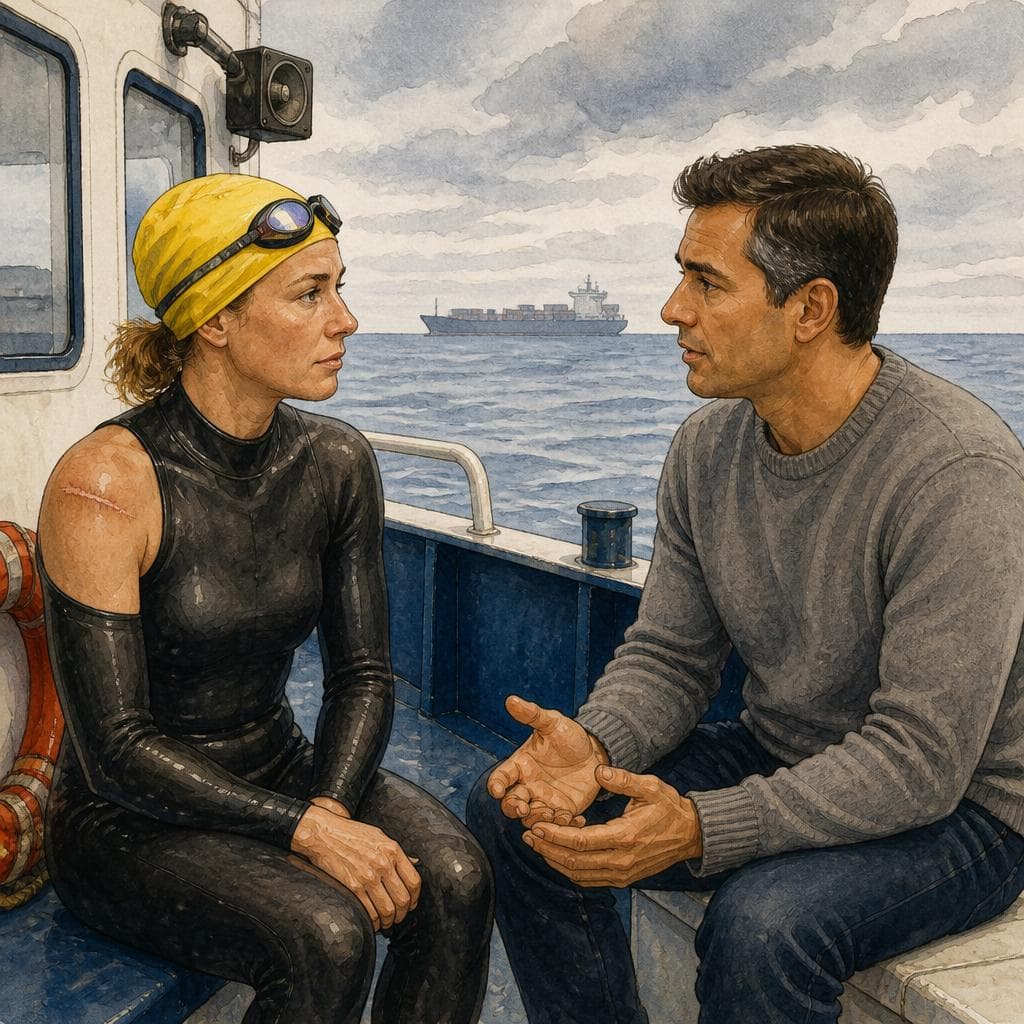
"Yes," he said. "But it wouldn't have been wrong to keep going either. That's the thing about the Channel." He looked at her steadily. "It doesn't give you a clear answer. It just gives you a choice."
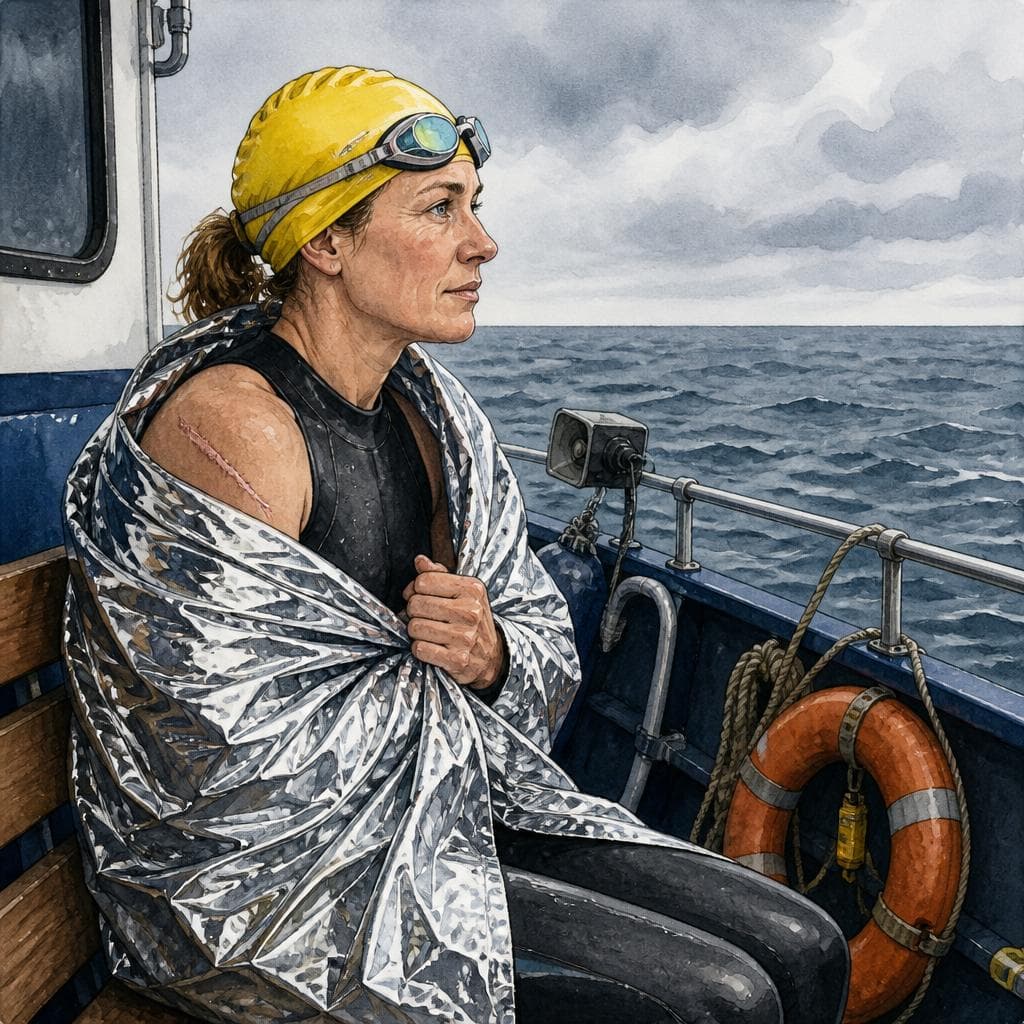
Donna pulled the foil blanket tighter and looked out at the water. It was the same water it had always been — cold, indifferent, patient. She wasn't sure whether she felt defeated or merely unfinished, and for now, she decided, there was no particular reason to tell the difference.