
Inklingo

Hazme el paro

AHS-meh el PAH-roh

직역:그것을 멈추게 해줘.
실제 의미:긴급한 상황에서 부탁, 도움 또는 지원을 요청하는 비격식적인 방법입니다.
영어 등가 표현:
부탁 좀 들어줘좀 도와줘손 좀 빌려줘내 대신 좀 봐줘
수준:B1레지스터:Informal흔함:★★★★★

🎨 문자적 의미 vs. 비유적 의미

💭 직역
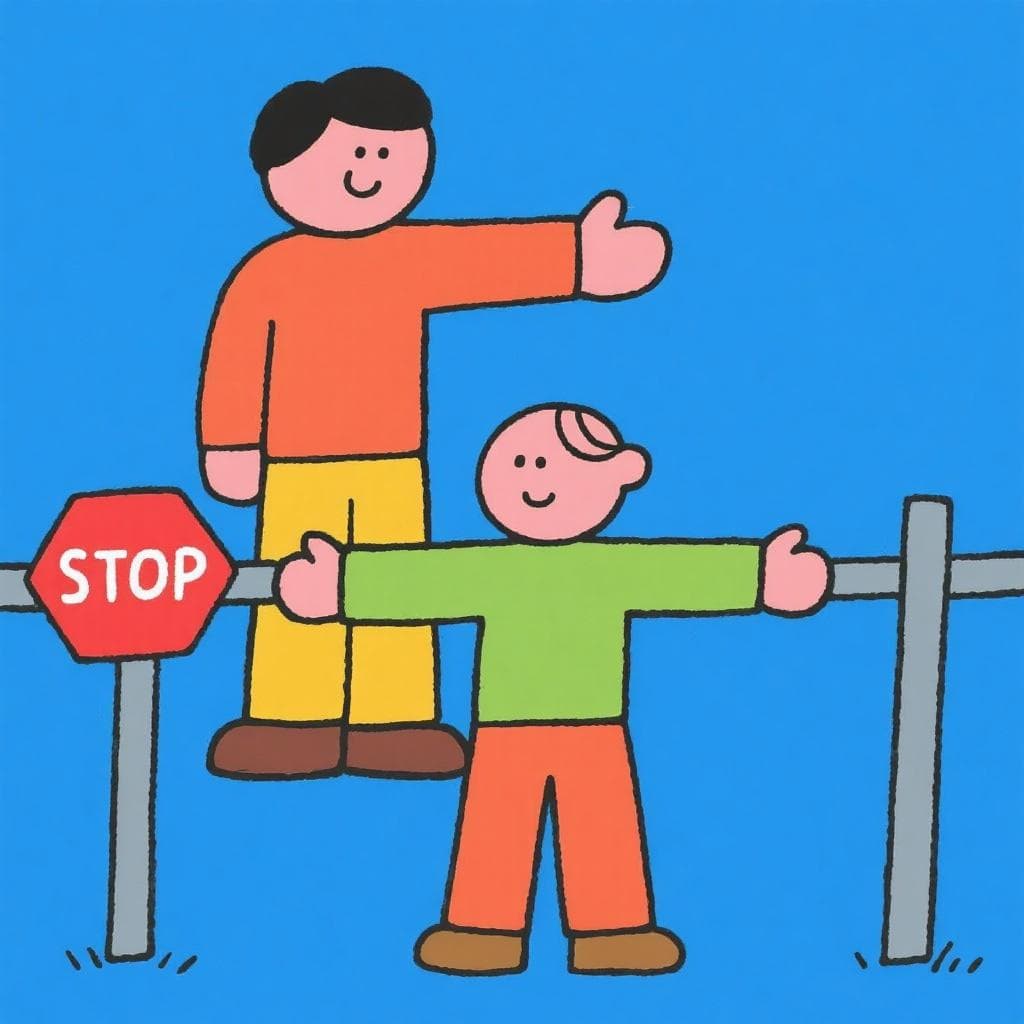
A literal, humorous depiction of 'hazme el paro', showing one person asking another to act like a physical stop or barrier.

Literally, it translates to 'Do me the stop,' which doesn't make much sense.

비유적
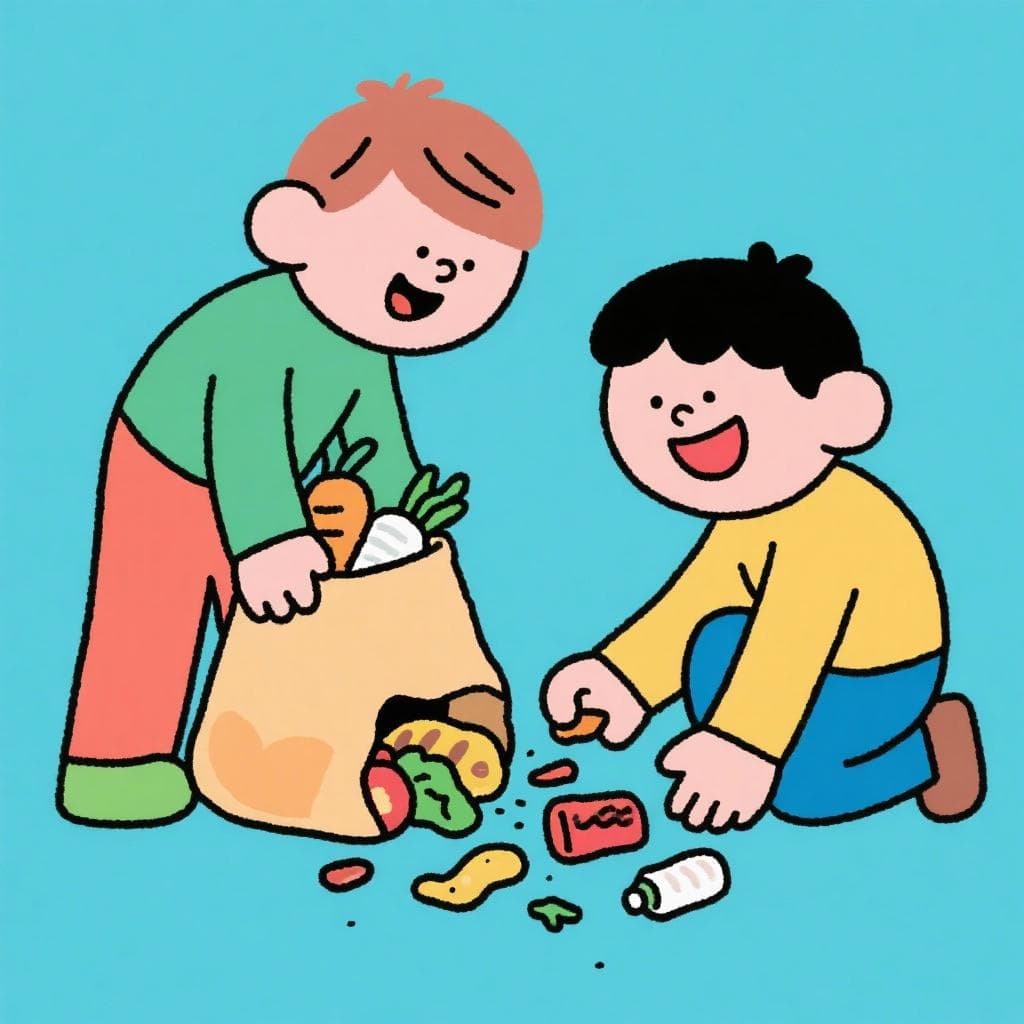
The actual meaning of 'hazme el paro', showing one friend helping another who is in a tricky situation.

In reality, it's a very common way to say 'Help me out' or 'Do me a favor'.

이 관용구의 핵심 단어:

📝 실제 사용 예시

¡Hazme el paro! Olvidé mi cartera y no puedo pagar el café.

B1

Help me out! I forgot my wallet and can't pay for the coffee.

Voy a llegar tarde. ¿Me haces el paro y le dices al jefe que tuve un problema con el coche?

B1

I'm going to be late. Can you cover for me and tell the boss I had car trouble?

Le hice el paro a mi vecino y cuidé a su perro el fin de semana.

B2

I did my neighbor a favor and watched his dog over the weekend.

📜 기원 이야기

The exact origin is a bit fuzzy, but the most popular idea is that 'paro' here doesn't mean 'stop' or 'unemployment'. Instead, it comes from the verb 'parar' in its sense of 'to prop up' or 'to support'. When you ask someone 'hazme el paro', you're essentially asking them to be your support, to prop you up in a difficult moment, or to stop a bad situation from getting worse for you.

⭐ 사용 팁

Your Go-To for Informal Favors

This is the classic, everyday way to ask for a favor among friends, family, and colleagues in Mexico. It's much more common and casual than the more textbook phrase 'hazme un favor'.

Use It For Small, Immediate Needs

This phrase often has a sense of immediacy. You're not asking someone to help you move next month; you're asking for a small bit of help right now, like covering you for lunch or lending you a pen.

❌ 흔한 실수

Confusing it with 'Unemployment'

실수:Thinking 'paro' always means unemployment, which is its primary meaning in Spain.

수정: In Mexico and in this specific phrase, 'paro' means 'favor' or 'help'. The context of asking for something makes it clear. If you use this in Spain, people will be very confused!

Using It in Formal Settings

실수:Asking your new boss, an elderly stranger, or a university professor, '¿Me hace el paro?'

수정: This is strictly informal. In formal situations, it's better to stick with '¿Podría hacerme un favor?' (Could you do me a favor?) or '¿Podría ayudarme?' (Could you help me?).

📚 관련 문법

이 관용구의 문법을 이해하고 싶으신가요? 심층 학습을 위해 이 강의들을 살펴보세요:

🌎 사용되는 곳

🇲🇽

Mexico

Extremely common. This is a hallmark of informal Mexican Spanish and is used and understood by everyone.

🇪🇸

Spain

Not used. This phrase will cause confusion, as 'paro' almost exclusively means 'unemployment'. They would use 'hazme un favor'.

🌍

Other parts of Latin America

Its usage varies. It might be understood in some Central American countries due to proximity to Mexico, but it's not a standard phrase in South America. Phrases like 'haceme la gauchada' (Argentina) or simply 'hazme un favor' are more common elsewhere.

✏️ 빠른 연습

간단 퀴즈: Hazme el paro

1개 중 1번째 문제

If your Mexican friend says 'Hazme el paro con la cuenta', what are they asking?

🗣️ 발음 연습

이 관용구를 더 자연스럽게 사용하고 싶으신가요? 저희의 텅 트위스터 모음으로 스페인어 발음을 연습해 보세요.

스페인어 텅 트위스터 찾아보기

관용구를 생생하게 들어보세요

관용구는 맥락 속에서 의미가 통합니다. 200개 이상의 삽화가 포함되고 음성이 지원되는 스페인어 이야기를 읽고 등장인물들이 관용구를 자연스럽게 사용하는 것을 보고 원어민과 같은 귀를 길러보세요.

자주 묻는 질문

Can I use 'hacer el paro' for other people, not just asking for myself?

Yes, absolutely! It works like a regular verb phrase. You can say 'Le hice el paro a mi hermano' (I did my brother a favor) or 'Ellos siempre nos hacen el paro' (They always help us out).

Is 'hazme el paro' rude?

Not at all, as long as it's used in an informal context with people you know. It's a friendly, casual expression. Using it with a stranger might be seen as overly familiar, but not necessarily rude.