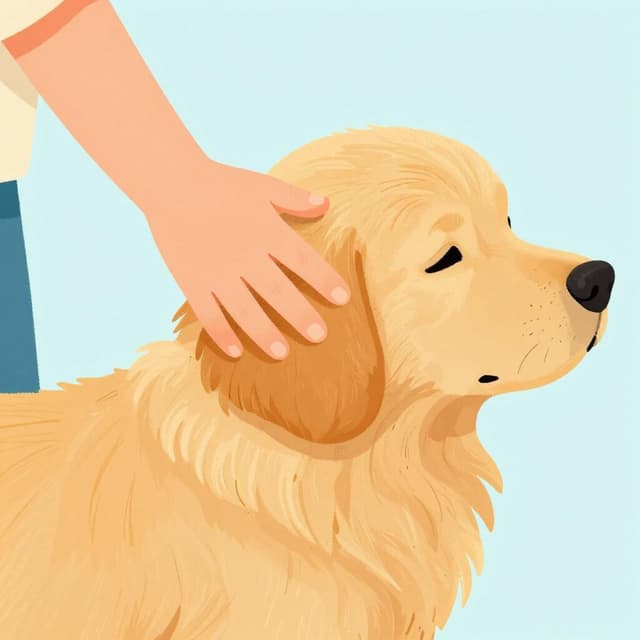
Koniugacja acariciar Tryb warunkowy
acariciar — to pet
Regular conditional forms like 'acariciaría' (yo) or 'acariciarían' (ellos/ellas/ustedes) express hypothetical petting ('would').
Formy acariciar Tryb warunkowy
Kiedy używać Tryb warunkowy
Use the conditional of 'acariciar' to talk about what you *would* do, polite requests, or possibilities. For example, 'Me gustaría acariciar a tu perro, si no fuera tan tímido' (I would like to pet your dog, if it weren't so shy) or '¿Podrías acariciar al gato por mí?' (Could you pet the cat for me?).
Uwagi dotyczące acariciar w czasie Tryb warunkowy
'Acariciar' is regular in the conditional tense. The conditional stem is the full infinitive ('acariciar'), and you add the standard conditional endings: -ía, -ías, -ía, -íamos, -íais, -ían.
Przykładowe zdania
Yo acariciaría al cachorro si me dejaran.
I would pet the puppy if they let me.
yo
¿Tú acariciarías a mi serpiente?
Would you pet my snake?
tú
Él acariciaría al animal herido con mucho cuidado.
He would pet the injured animal very carefully.
él/ella/usted
Ellos nos ayudarían a acariciar al burro.
They would help us pet the donkey.
ellos/ellas/ustedes
Częste błędy
Błąd: Using the conditional for a definite future action.
Poprawnie: 'Mañana acariciaría a tu perro' is usually wrong; use the future 'acariciaré' for definite future actions.
Dlaczego: The conditional is for hypothetical or uncertain situations ('would'), not for certain future events.
Błąd: Confusing the conditional ending '-ía' with the imperfect ending '-aba'.
Poprawnie: The conditional form is 'acariciaría', not 'acariciaba'.
Dlaczego: These are distinct tenses with different meanings and conjugations.
Opanuj hiszpańskie czasowniki w kontekście
Zapamiętywanie tabel to dopiero początek. Przeczytaj ponad 200 ilustrowanych i udźwiękowionych hiszpańskich historii, aby zobaczyć czasowniki takie jak 'acariciar' używane naturalnie — w czasach, których się uczysz.
Powiązane czasy
Czas teraźniejszy
yo: acaricio
Regular present forms like 'acaricio' (yo) or 'acaricia' (él/ella/usted) describe current or habitual petting.
Czas przeszły prosty
yo: acaricié
Regular preterite forms like 'acaricié' (yo) or 'acarició' (él/ella/usted) mark completed actions of petting.
Czas przeszły niedokonany
yo: acariciaba
Regular imperfect forms like 'acariciaba' (yo) or 'acariciaban' (ellos/ellas/ustedes) describe past ongoing or habitual petting.
Czas przyszły
yo: acariciaré
Regular future forms like 'acariciaré' (yo) or 'acariciarán' (ellos/ellas/ustedes) indicate future petting actions.
Tryb Subj. teraźniejszy
yo: acaricie
Use 'acaricie' (yo/él/ella/usted) or 'acaricies' (tú) for wishes, doubts, or emotions about petting.
Tryb Subj. przeszły niedokonany
yo: acariciara
Use 'acariciara' or 'acariciase' (yo/él/ella/usted) for past hypothetical or uncertain situations involving petting.
Tryb rozkazujący (twierdzący)
yo: acaricia
Use imperative forms like 'acaricia' (tú) or 'acaricie' (usted) for direct commands with 'acariciar'.
Tryb rozkazujący (przeczący)
yo: no acaricies
Use 'no acaricies' (tú) or 'no acaricie' (usted) for negative commands with 'acariciar'.