Koniugacja acariciar Czas teraźniejszy
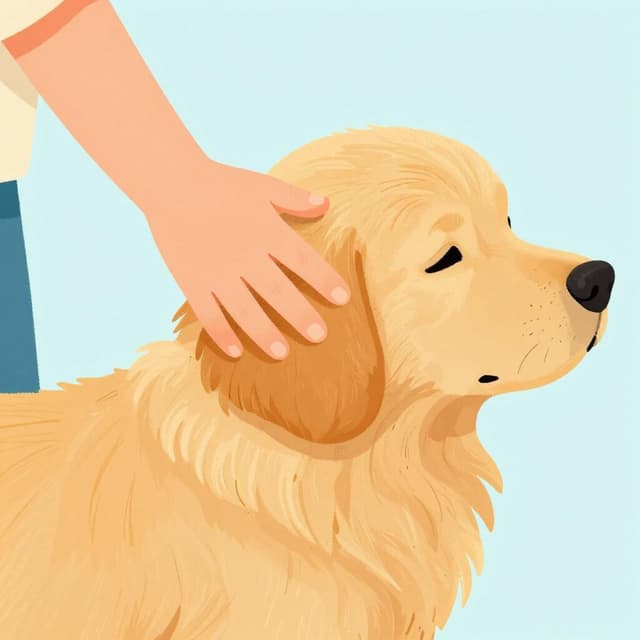
acariciar — to pet
Regular present forms like 'acaricio' (yo) or 'acaricia' (él/ella/usted) describe current or habitual petting.
Formy acariciar Czas teraźniejszy
Kiedy używać Czas teraźniejszy
Use the present tense of 'acariciar' for actions happening right now ('Estoy acariciando al gato' - I am petting the cat) or for habitual actions ('Mi abuela acaricia a su perro todos los días' - My grandmother pets her dog every day). It also covers general truths.
Uwagi dotyczące acariciar w czasie Czas teraźniejszy
'Acariciar' is a regular -ar verb in the present indicative. The conjugation follows the standard pattern: acaricio, acaricias, acaricia, acariciamos, acariciáis, acarician.
Przykładowe zdania
Yo acaricio a mi gato todas las noches.
I pet my cat every night.
yo
¿Tú acaricias a los animales?
Do you pet animals?
tú
Él acaricia suavemente al cachorro.
He gently pets the puppy.
él/ella/usted
Nosotros acariciamos a nuestro perro cuando llegamos a casa.
We pet our dog when we get home.
nosotros
Częste błędy
Błąd: Using the present tense for an action happening right now when the present progressive is more natural.
Poprawnie: While 'Acaricio al gato' can mean 'I am petting the cat', 'Estoy acariciando al gato' is often clearer for an ongoing action.
Dlaczego: The present progressive emphasizes the ongoing nature of the action.
Błąd: Confusing 'acariciamos' (present) with 'acariciamos' (preterite).
Poprawnie: Context usually clarifies: 'Hoy acariciamos...' (present) vs 'Ayer acariciamos...' (preterite).
Dlaczego: The nosotros form in the present and preterite indicative is identical for regular -ar verbs.
Opanuj hiszpańskie czasowniki w kontekście
Zapamiętywanie tabel to dopiero początek. Przeczytaj ponad 200 ilustrowanych i udźwiękowionych hiszpańskich historii, aby zobaczyć czasowniki takie jak 'acariciar' używane naturalnie — w czasach, których się uczysz.
Powiązane czasy
Czas przeszły prosty
yo: acaricié
Regular preterite forms like 'acaricié' (yo) or 'acarició' (él/ella/usted) mark completed actions of petting.
Czas przeszły niedokonany
yo: acariciaba
Regular imperfect forms like 'acariciaba' (yo) or 'acariciaban' (ellos/ellas/ustedes) describe past ongoing or habitual petting.
Czas przyszły
yo: acariciaré
Regular future forms like 'acariciaré' (yo) or 'acariciarán' (ellos/ellas/ustedes) indicate future petting actions.
Tryb warunkowy
yo: acariciaría
Regular conditional forms like 'acariciaría' (yo) or 'acariciarían' (ellos/ellas/ustedes) express hypothetical petting ('would').
Tryb Subj. teraźniejszy
yo: acaricie
Use 'acaricie' (yo/él/ella/usted) or 'acaricies' (tú) for wishes, doubts, or emotions about petting.
Tryb Subj. przeszły niedokonany
yo: acariciara
Use 'acariciara' or 'acariciase' (yo/él/ella/usted) for past hypothetical or uncertain situations involving petting.
Tryb rozkazujący (twierdzący)
yo: acaricia
Use imperative forms like 'acaricia' (tú) or 'acaricie' (usted) for direct commands with 'acariciar'.
Tryb rozkazujący (przeczący)
yo: no acaricies
Use 'no acaricies' (tú) or 'no acaricie' (usted) for negative commands with 'acariciar'.