Koniugacja acariciar Tryb rozkazujący (przeczący)
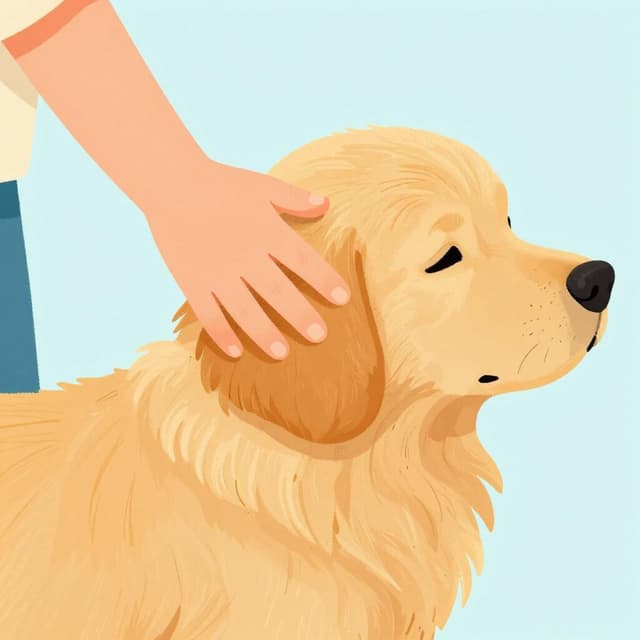
acariciar — to pet
Use 'no acaricies' (tú) or 'no acaricie' (usted) for negative commands with 'acariciar'.
Formy acariciar Tryb rozkazujący (przeczący)
Kiedy używać Tryb rozkazujący (przeczący)
This is for telling someone *not* to do something directly. For example, 'No acaricies al perro si está durmiendo' (Don't pet the dog if it's sleeping).
Uwagi dotyczące acariciar w czasie Tryb rozkazujący (przeczący)
All negative commands in Spanish are formed using the present subjunctive with 'no'. So, the negative imperative of 'acariciar' uses the present subjunctive forms: 'no acaricies' (tú), 'no acaricie' (usted), etc. These are regular forms derived from the present subjunctive.
Przykładowe zdania
No acaricies al perro si está enfadado.
Don't pet the dog if it's angry.
tú
No acaricie al niño sin permiso.
Don't pet the child without permission.
usted
No acariciemos a desconocidos.
Let's not pet strangers.
nosotros
No acariciéis a ese animal, parece peligroso.
Don't pet that animal, it seems dangerous.
vosotros
Częste błędy
Błąd: Using the infinitive 'acariciar' after 'no'.
Poprawnie: Use the subjunctive form: 'no acariciar' is incorrect; 'no acaricies' is correct.
Dlaczego: Negative commands require the subjunctive mood.
Błąd: Forgetting the 'no'.
Poprawnie: Always include 'no' before the verb for negative commands.
Dlaczego: The 'no' is essential to make the command negative.
Opanuj hiszpańskie czasowniki w kontekście
Zapamiętywanie tabel to dopiero początek. Przeczytaj ponad 200 ilustrowanych i udźwiękowionych hiszpańskich historii, aby zobaczyć czasowniki takie jak 'acariciar' używane naturalnie — w czasach, których się uczysz.
Powiązane czasy
Czas teraźniejszy
yo: acaricio
Regular present forms like 'acaricio' (yo) or 'acaricia' (él/ella/usted) describe current or habitual petting.
Czas przeszły prosty
yo: acaricié
Regular preterite forms like 'acaricié' (yo) or 'acarició' (él/ella/usted) mark completed actions of petting.
Czas przeszły niedokonany
yo: acariciaba
Regular imperfect forms like 'acariciaba' (yo) or 'acariciaban' (ellos/ellas/ustedes) describe past ongoing or habitual petting.
Czas przyszły
yo: acariciaré
Regular future forms like 'acariciaré' (yo) or 'acariciarán' (ellos/ellas/ustedes) indicate future petting actions.
Tryb warunkowy
yo: acariciaría
Regular conditional forms like 'acariciaría' (yo) or 'acariciarían' (ellos/ellas/ustedes) express hypothetical petting ('would').
Tryb Subj. teraźniejszy
yo: acaricie
Use 'acaricie' (yo/él/ella/usted) or 'acaricies' (tú) for wishes, doubts, or emotions about petting.
Tryb Subj. przeszły niedokonany
yo: acariciara
Use 'acariciara' or 'acariciase' (yo/él/ella/usted) for past hypothetical or uncertain situations involving petting.
Tryb rozkazujący (twierdzący)
yo: acaricia
Use imperative forms like 'acaricia' (tú) or 'acaricie' (usted) for direct commands with 'acariciar'.