Koniugacja acariciar Czas przeszły prosty
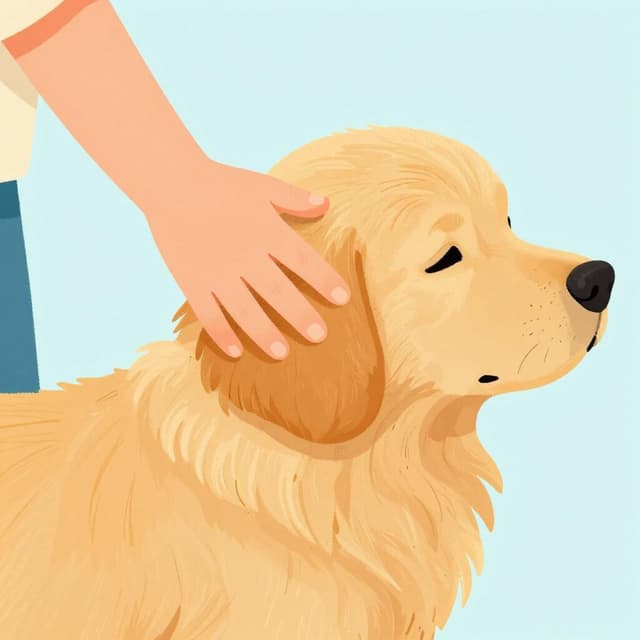
acariciar — to pet
Regular preterite forms like 'acaricié' (yo) or 'acarició' (él/ella/usted) mark completed actions of petting.
Formy acariciar Czas przeszły prosty
Kiedy używać Czas przeszły prosty
Use the preterite of 'acariciar' to talk about a specific, completed instance of petting something. For example, 'Ayer acaricié a tu perro por primera vez' (Yesterday I petted your dog for the first time) or 'El niño acarició al gatito una sola vez' (The child petted the kitten just once).
Uwagi dotyczące acariciar w czasie Czas przeszły prosty
'Acariciar' is a regular -ar verb and follows the standard preterite conjugation pattern perfectly: acaricié, acariciaste, acarició, acariciamos, acariciasteis, acariciaron.
Przykładowe zdania
Ayer acaricié a tu cachorro.
Yesterday I petted your puppy.
yo
¿Acariciaste al caballo?
Did you pet the horse?
tú
Ella acarició al bebé en la mejilla.
She petted the baby on the cheek.
él/ella/usted
Los niños acariciaron a los conejos en la granja.
The children petted the rabbits on the farm.
ellos/ellas/ustedes
Częste błędy
Błąd: Using the imperfect 'acariciaba' instead of the preterite 'acaricié' for a single past event.
Poprawnie: 'Ayer acariciaba a tu perro' is usually wrong; 'Ayer acaricié a tu perro' is correct for a completed action.
Dlaczego: The preterite is for completed actions, while the imperfect describes ongoing or habitual past actions.
Błąd: Forgetting the accent on the 'yo' form.
Poprawnie: The 'yo' form is 'acaricié', not 'acaricie'.
Dlaczego: The accent on the final 'é' is crucial to distinguish the preterite 'yo' form from the present subjunctive 'yo' form and indicates stress.
Opanuj hiszpańskie czasowniki w kontekście
Zapamiętywanie tabel to dopiero początek. Przeczytaj ponad 200 ilustrowanych i udźwiękowionych hiszpańskich historii, aby zobaczyć czasowniki takie jak 'acariciar' używane naturalnie — w czasach, których się uczysz.
Powiązane czasy
Czas teraźniejszy
yo: acaricio
Regular present forms like 'acaricio' (yo) or 'acaricia' (él/ella/usted) describe current or habitual petting.
Czas przeszły niedokonany
yo: acariciaba
Regular imperfect forms like 'acariciaba' (yo) or 'acariciaban' (ellos/ellas/ustedes) describe past ongoing or habitual petting.
Czas przyszły
yo: acariciaré
Regular future forms like 'acariciaré' (yo) or 'acariciarán' (ellos/ellas/ustedes) indicate future petting actions.
Tryb warunkowy
yo: acariciaría
Regular conditional forms like 'acariciaría' (yo) or 'acariciarían' (ellos/ellas/ustedes) express hypothetical petting ('would').
Tryb Subj. teraźniejszy
yo: acaricie
Use 'acaricie' (yo/él/ella/usted) or 'acaricies' (tú) for wishes, doubts, or emotions about petting.
Tryb Subj. przeszły niedokonany
yo: acariciara
Use 'acariciara' or 'acariciase' (yo/él/ella/usted) for past hypothetical or uncertain situations involving petting.
Tryb rozkazujący (twierdzący)
yo: acaricia
Use imperative forms like 'acaricia' (tú) or 'acaricie' (usted) for direct commands with 'acariciar'.
Tryb rozkazujący (przeczący)
yo: no acaricies
Use 'no acaricies' (tú) or 'no acaricie' (usted) for negative commands with 'acariciar'.