Koniugacja arañar Czas przeszły prosty
arañar — to scratch
Completed actions of scratching in the past.
Formy arañar Czas przeszły prosty
Kiedy używać Czas przeszły prosty
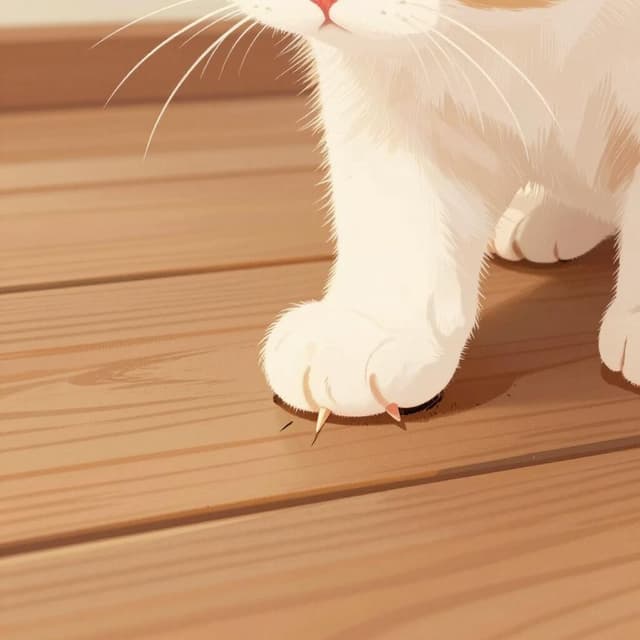
Use the preterite for a specific, completed instance of scratching that happened at a defined point in the past. For example, the moment a cat scratched you, or when you scratched an itch once.
Uwagi dotyczące arañar w czasie Czas przeszły prosty
Arañar is regular in the preterite. All the endings follow the standard pattern for -ar verbs.
Przykładowe zdania
El gato me arañó la mano.
The cat scratched my hand.
él/ella/usted
Ayer me arañé el brazo con una rama.
Yesterday I scratched my arm on a branch.
yo
¿Arañaste la puerta al entrar?
Did you scratch the door when you entered?
tú
Los niños arañaron el coche jugando.
The children scratched the car while playing.
ellos/ellas/ustedes
Częste błędy
Błąd: Using the imperfect instead of the preterite for a single scratch.
Poprawnie: For a specific, completed action like 'the cat scratched me', use 'arañó', not 'arañaba'.
Dlaczego: The preterite marks the completion of the action, while the imperfect describes an ongoing or habitual past action.
Błąd: Forgetting the accent on the 'yo' and 'él/ella/usted' forms.
Poprawnie: Remember the accents: 'arañé' and 'arañó'.
Dlaczego: These accents are crucial to distinguish these forms and show the stressed syllable.
Opanuj hiszpańskie czasowniki w kontekście
Zapamiętywanie tabel to dopiero początek. Przeczytaj ponad 200 ilustrowanych i udźwiękowionych hiszpańskich historii, aby zobaczyć czasowniki takie jak 'arañar' używane naturalnie — w czasach, których się uczysz.
Powiązane czasy
Czas teraźniejszy
yo: araño
Scratching happening now, habitually, or generally.
Czas przeszły niedokonany
yo: arañaba
Ongoing or habitual scratching in the past.
Czas przyszły
yo: arañaré
The future action of scratching.
Tryb warunkowy
yo: arañaría
What would happen if one were to scratch.
Tryb Subj. teraźniejszy
yo: arañe
Wishes, doubts, or emotions about scratching happening now or in the future.
Tryb Subj. przeszły niedokonany
yo: arañara
Hypothetical or past wishes/doubts about scratching.
Tryb rozkazujący (twierdzący)
yo: araña
Commands like 'scratch!' or 'let's scratch!' for arañar.
Tryb rozkazujący (przeczący)
yo: no arañes
Negative commands for arañar, like 'don't scratch!'.