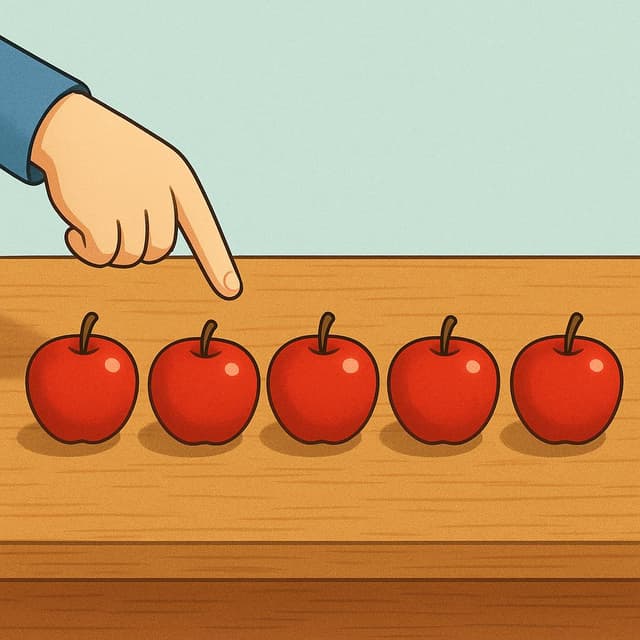
Koniugacja contar Czas przyszły
contar — to count
The future tense of contar is regular: contaré, contarás, contará, contaremos, contaréis, contarán.
Formy contar Czas przyszły
Kiedy używać Czas przyszły
Use the future when you will tell a story later or when you promise to count something in the future.
Uwagi dotyczące contar w czasie Czas przyszły
Contar is regular in the future. Just add the endings (-é, -ás, -á, etc.) directly to the full infinitive 'contar'.
Przykładowe zdania
Te contaré todo mañana por la mañana.
I will tell you everything tomorrow morning.
yo
Ellos contarán los votos esta noche.
They will count the votes tonight.
ellos/ellas/ustedes
Sé que contaremos con tu ayuda.
I know we will count on your help.
nosotros
Częste błędy
Błąd: Cuentaré.
Poprawnie: Contaré.
Dlaczego: Stem changes (o > ue) do not happen in the future tense; always use the infinitive as the base.
Opanuj hiszpańskie czasowniki w kontekście
Zapamiętywanie tabel to dopiero początek. Przeczytaj ponad 200 ilustrowanych i udźwiękowionych hiszpańskich historii, aby zobaczyć czasowniki takie jak 'contar' używane naturalnie — w czasach, których się uczysz.
Powiązane czasy
Czas teraźniejszy
yo: cuento
Contar is a stem-changing verb (o > ue) in all forms except nosotros and vosotros.
Czas przeszły prosty
yo: conté
The preterite of contar is regular: conté, contaste, contó, contamos, contasteis, contaron.
Czas przeszły niedokonany
yo: contaba
The imperfect of contar is regular: contaba, contabas, contaba, contábamos, contabais, contaban.
Tryb warunkowy
yo: contaría
The conditional of contar is regular: contaría, contarías, contaría, contaríamos, contaríais, contarían.
Tryb Subj. teraźniejszy
yo: cuente
The present subjunctive of contar keeps the o > ue stem change: cuente, cuentes, cuente, contemos, contéis, cuenten.
Tryb Subj. przeszły niedokonany
yo: contara
The imperfect subjunctive of contar is formed from the preterite: contara, contaras, contara, contáramos, contarais, contaran.
Tryb rozkazujący (twierdzący)
yo: cuenta
The imperative of contar uses the stem-changed 'cuenta' for tú and 'cuente' for usted.
Tryb rozkazujący (przeczący)
yo: no cuentes
Negative commands use the present subjunctive: no cuentes, no cuente, no contemos, no contéis, no cuenten.