Koniugacja contar Czas teraźniejszy
contar — to count
Contar is a stem-changing verb (o > ue) in all forms except nosotros and vosotros.
Formy contar Czas teraźniejszy
Kiedy używać Czas teraźniejszy
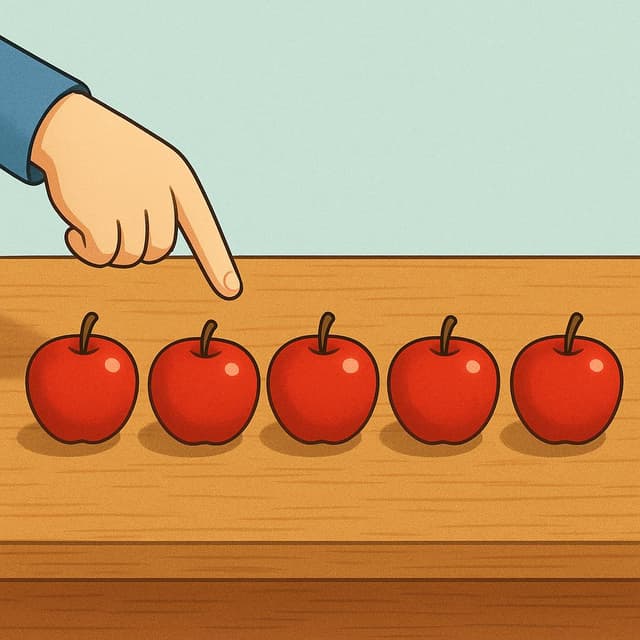
Use the present tense to talk about things you are counting right now, stories you tell often, or to say you 'count on' someone.
Uwagi dotyczące contar w czasie Czas teraźniejszy
This is a 'boot verb'—the 'o' changes to 'ue' in the singular and third-person plural forms (cuento, cuentas, cuenta, cuentan).
Przykładowe zdania
Yo cuento las ovejas para dormir.
I count sheep to sleep.
yo
Ella cuenta chistes muy graciosos.
She tells very funny jokes.
él/ella/usted
Siempre cuento contigo para estos proyectos.
I always count on you for these projects.
yo
Częste błędy
Błąd: Yo conto.
Poprawnie: Yo cuento.
Dlaczego: Contar is an o-to-ue stem-changing verb in the present tense.
Opanuj hiszpańskie czasowniki w kontekście
Zapamiętywanie tabel to dopiero początek. Przeczytaj ponad 200 ilustrowanych i udźwiękowionych hiszpańskich historii, aby zobaczyć czasowniki takie jak 'contar' używane naturalnie — w czasach, których się uczysz.
Powiązane czasy
Czas przeszły prosty
yo: conté
The preterite of contar is regular: conté, contaste, contó, contamos, contasteis, contaron.
Czas przeszły niedokonany
yo: contaba
The imperfect of contar is regular: contaba, contabas, contaba, contábamos, contabais, contaban.
Czas przyszły
yo: contaré
The future tense of contar is regular: contaré, contarás, contará, contaremos, contaréis, contarán.
Tryb warunkowy
yo: contaría
The conditional of contar is regular: contaría, contarías, contaría, contaríamos, contaríais, contarían.
Tryb Subj. teraźniejszy
yo: cuente
The present subjunctive of contar keeps the o > ue stem change: cuente, cuentes, cuente, contemos, contéis, cuenten.
Tryb Subj. przeszły niedokonany
yo: contara
The imperfect subjunctive of contar is formed from the preterite: contara, contaras, contara, contáramos, contarais, contaran.
Tryb rozkazujący (twierdzący)
yo: cuenta
The imperative of contar uses the stem-changed 'cuenta' for tú and 'cuente' for usted.
Tryb rozkazujący (przeczący)
yo: no cuentes
Negative commands use the present subjunctive: no cuentes, no cuente, no contemos, no contéis, no cuenten.