Koniugacja contar Tryb Subj. przeszły niedokonany
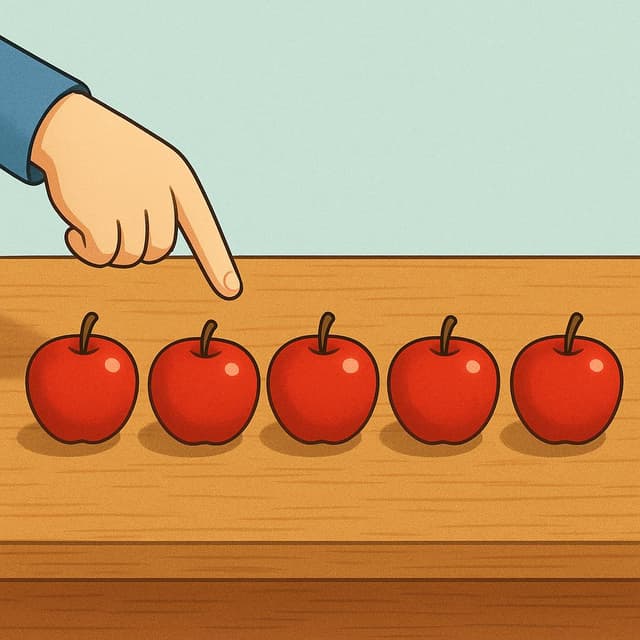
contar — to count
The imperfect subjunctive of contar is formed from the preterite: contara, contaras, contara, contáramos, contarais, contaran.
Formy contar Tryb Subj. przeszły niedokonany
Kiedy używać Tryb Subj. przeszły niedokonany
Use this for past doubts or hypothetical 'if' situations (e.g., 'If I told you the truth...').
Uwagi dotyczące contar w czasie Tryb Subj. przeszły niedokonany
It is regular based on the third-person plural preterite (contaron). No o > ue stem change occurs here.
Przykładowe zdania
Si yo te contara la verdad, no me creerías.
If I told you the truth, you wouldn't believe me.
yo
Me pidió que contara hasta diez.
He asked me to count to ten.
él/ella/usted
Sería mejor que contáramos el dinero ahora.
It would be better if we counted the money now.
nosotros
Częste błędy
Błąd: Si yo cuentara...
Poprawnie: Si yo contara...
Dlaczego: The imperfect subjunctive is built from the preterite 'contaron', which does not have a stem change.
Opanuj hiszpańskie czasowniki w kontekście
Zapamiętywanie tabel to dopiero początek. Przeczytaj ponad 200 ilustrowanych i udźwiękowionych hiszpańskich historii, aby zobaczyć czasowniki takie jak 'contar' używane naturalnie — w czasach, których się uczysz.
Powiązane czasy
Czas teraźniejszy
yo: cuento
Contar is a stem-changing verb (o > ue) in all forms except nosotros and vosotros.
Czas przeszły prosty
yo: conté
The preterite of contar is regular: conté, contaste, contó, contamos, contasteis, contaron.
Czas przeszły niedokonany
yo: contaba
The imperfect of contar is regular: contaba, contabas, contaba, contábamos, contabais, contaban.
Czas przyszły
yo: contaré
The future tense of contar is regular: contaré, contarás, contará, contaremos, contaréis, contarán.
Tryb warunkowy
yo: contaría
The conditional of contar is regular: contaría, contarías, contaría, contaríamos, contaríais, contarían.
Tryb Subj. teraźniejszy
yo: cuente
The present subjunctive of contar keeps the o > ue stem change: cuente, cuentes, cuente, contemos, contéis, cuenten.
Tryb rozkazujący (twierdzący)
yo: cuenta
The imperative of contar uses the stem-changed 'cuenta' for tú and 'cuente' for usted.
Tryb rozkazujący (przeczący)
yo: no cuentes
Negative commands use the present subjunctive: no cuentes, no cuente, no contemos, no contéis, no cuenten.