Koniugacja contar Czas przeszły prosty
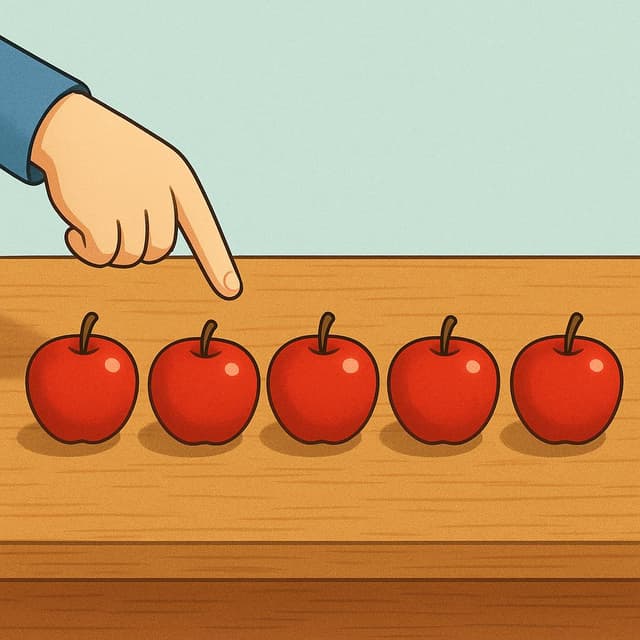
contar — to count
The preterite of contar is regular: conté, contaste, contó, contamos, contasteis, contaron.
Formy contar Czas przeszły prosty
Kiedy używać Czas przeszły prosty
Use the preterite when you finished telling a story or finished counting a specific set of items at a certain point in time.
Uwagi dotyczące contar w czasie Czas przeszły prosty
Contar is regular in the preterite. Unlike the present tense, it does not change the 'o' to 'ue'.
Przykładowe zdania
Le conté el secreto a mi mejor amigo.
I told the secret to my best friend.
yo
¿Contaste cuántas personas vinieron?
Did you count how many people came?
tú
Nosotros contamos el dinero dos veces.
We counted the money twice.
nosotros
Częste błędy
Błąd: Yo cuenté.
Poprawnie: Yo conté.
Dlaczego: Learners often try to apply the stem-change from the present tense to the preterite, but contar is regular here.
Opanuj hiszpańskie czasowniki w kontekście
Zapamiętywanie tabel to dopiero początek. Przeczytaj ponad 200 ilustrowanych i udźwiękowionych hiszpańskich historii, aby zobaczyć czasowniki takie jak 'contar' używane naturalnie — w czasach, których się uczysz.
Powiązane czasy
Czas teraźniejszy
yo: cuento
Contar is a stem-changing verb (o > ue) in all forms except nosotros and vosotros.
Czas przeszły niedokonany
yo: contaba
The imperfect of contar is regular: contaba, contabas, contaba, contábamos, contabais, contaban.
Czas przyszły
yo: contaré
The future tense of contar is regular: contaré, contarás, contará, contaremos, contaréis, contarán.
Tryb warunkowy
yo: contaría
The conditional of contar is regular: contaría, contarías, contaría, contaríamos, contaríais, contarían.
Tryb Subj. teraźniejszy
yo: cuente
The present subjunctive of contar keeps the o > ue stem change: cuente, cuentes, cuente, contemos, contéis, cuenten.
Tryb Subj. przeszły niedokonany
yo: contara
The imperfect subjunctive of contar is formed from the preterite: contara, contaras, contara, contáramos, contarais, contaran.
Tryb rozkazujący (twierdzący)
yo: cuenta
The imperative of contar uses the stem-changed 'cuenta' for tú and 'cuente' for usted.
Tryb rozkazujący (przeczący)
yo: no cuentes
Negative commands use the present subjunctive: no cuentes, no cuente, no contemos, no contéis, no cuenten.