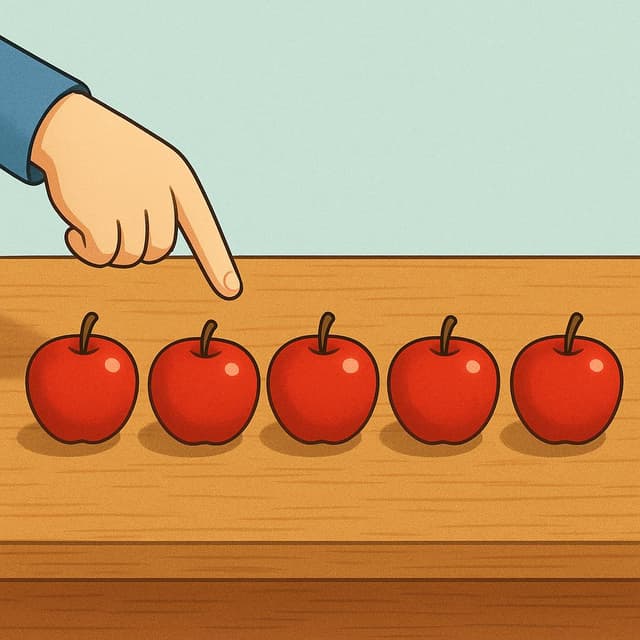
Koniugacja contar Czas przeszły niedokonany
contar — to count
The imperfect of contar is regular: contaba, contabas, contaba, contábamos, contabais, contaban.
Formy contar Czas przeszły niedokonany
Kiedy używać Czas przeszły niedokonany
Use the imperfect to describe how you used to count things as a child or to set the scene while telling a story.
Uwagi dotyczące contar w czasie Czas przeszły niedokonany
Contar follows the standard -ar verb pattern in the imperfect with no stem changes.
Przykładowe zdania
Mi abuelo me contaba cuentos antes de dormir.
My grandfather used to tell me stories before bed.
él/ella/usted
En la escuela, siempre contábamos con los dedos.
In school, we always used to count with our fingers.
nosotros
Ellas contaban los días para las vacaciones.
They were counting the days until vacation.
ellos/ellas/ustedes
Częste błędy
Błąd: Contabamos (without accent).
Poprawnie: Contábamos.
Dlaczego: The 'nosotros' form of -ar verbs in the imperfect always requires an accent on the first 'a'.
Opanuj hiszpańskie czasowniki w kontekście
Zapamiętywanie tabel to dopiero początek. Przeczytaj ponad 200 ilustrowanych i udźwiękowionych hiszpańskich historii, aby zobaczyć czasowniki takie jak 'contar' używane naturalnie — w czasach, których się uczysz.
Powiązane czasy
Czas teraźniejszy
yo: cuento
Contar is a stem-changing verb (o > ue) in all forms except nosotros and vosotros.
Czas przeszły prosty
yo: conté
The preterite of contar is regular: conté, contaste, contó, contamos, contasteis, contaron.
Czas przyszły
yo: contaré
The future tense of contar is regular: contaré, contarás, contará, contaremos, contaréis, contarán.
Tryb warunkowy
yo: contaría
The conditional of contar is regular: contaría, contarías, contaría, contaríamos, contaríais, contarían.
Tryb Subj. teraźniejszy
yo: cuente
The present subjunctive of contar keeps the o > ue stem change: cuente, cuentes, cuente, contemos, contéis, cuenten.
Tryb Subj. przeszły niedokonany
yo: contara
The imperfect subjunctive of contar is formed from the preterite: contara, contaras, contara, contáramos, contarais, contaran.
Tryb rozkazujący (twierdzący)
yo: cuenta
The imperative of contar uses the stem-changed 'cuenta' for tú and 'cuente' for usted.
Tryb rozkazujący (przeczący)
yo: no cuentes
Negative commands use the present subjunctive: no cuentes, no cuente, no contemos, no contéis, no cuenten.