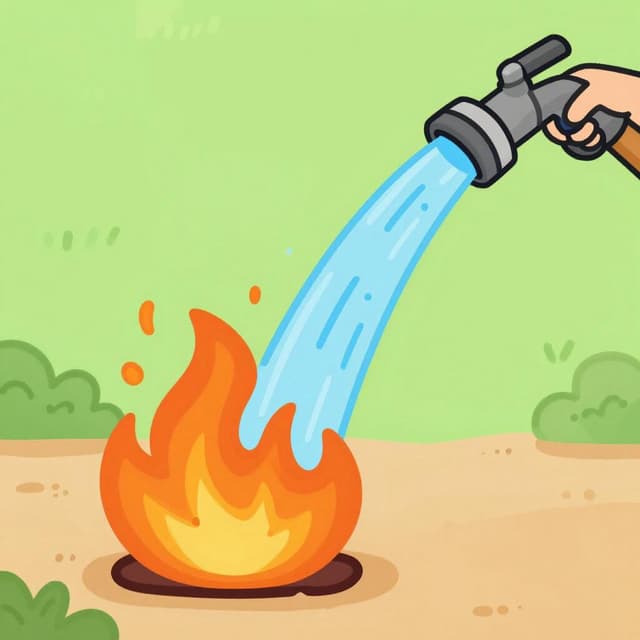
Koniugacja contrarrestar Czas przyszły
contrarrestar — to counteract
Use contrarrestaré, contrarrestarás, contrarrestará, contrarrestaremos, contrarrestaréis, contrarrestarán for future actions.
Formy contrarrestar Czas przyszły
Kiedy używać Czas przyszły
The future tense is for actions that will happen. It can also express probability or conjecture about the present, like 'He'll probably counter the argument'.
Uwagi dotyczące contrarrestar w czasie Czas przyszły
Contrarrestar is regular in the future tense. The stem is the full infinitive 'contrarrestar'.
Przykładowe zdania
Yo contrarrestaré tus objeciones con evidencia.
I will counteract your objections with evidence.
yo
¿Contrarrestarás la tendencia negativa?
Will you counteract the negative trend?
tú
Ella contrarrestará la mala influencia.
She will counteract the bad influence.
él/ella/usted
Ellos contrarrestarán la crisis con nuevas estrategias.
They will counteract the crisis with new strategies.
ellos/ellas/ustedes
Częste błędy
Błąd: Using the present tense 'voy a contrarrestar' when the simple future is more direct.
Poprawnie: Use 'contrarrestaré' for a direct statement about the future.
Dlaczego: While 'ir a + infinitive' is common, the simple future often sounds more formal or definitive.
Błąd: Forgetting the accent on the future endings.
Poprawnie: Ensure endings like '-ás', '-á', '-éis', '-án' have their accents.
Dlaczego: The accents are crucial for pronunciation and distinguish these forms from others.
Opanuj hiszpańskie czasowniki w kontekście
Zapamiętywanie tabel to dopiero początek. Przeczytaj ponad 200 ilustrowanych i udźwiękowionych hiszpańskich historii, aby zobaczyć czasowniki takie jak 'contrarrestar' używane naturalnie — w czasach, których się uczysz.
Powiązane czasy
Czas teraźniejszy
yo: contrarresto
Use contrarresto, contrarrestas, contrarresta, contrarrestamos, contrarrestáis, contrarrestan for actions happening now or habitually.
Czas przeszły prosty
yo: contrarresté
The preterite of contrarrestar is regular: contrarreste, contrarrestaste, contrarrestó, contrarrestamos, contrarrestasteis, contrarrestaron.
Czas przeszły niedokonany
yo: contrarrestaba
Use contrarrestaba, contrarrestabas, contrarrestaba, contrarrestábamos, contrarrestabais, contrarrestaban for ongoing or habitual past actions.
Tryb warunkowy
yo: contrarrestaría
Use contrarrestaría, contrarrestarías, contrarrestaría, contrarrestaríamos, contrarrestaríais, contrarrestarían for hypotheticals ('would').
Tryb Subj. teraźniejszy
yo: contrarreste
Use contrarreste, contrarrestes, contrarrestemos, contrarresten for wishes, doubts, emotions.
Tryb Subj. przeszły niedokonany
yo: contrarrestara
Use contrarrestara/contrarrestase forms for past hypotheticals or wishes.
Tryb rozkazujący (twierdzący)
yo: contrarresta
Use contrarresta, contrarreste, contrarrestemos, contrarresten, contrarrestad for direct commands.
Tryb rozkazujący (przeczący)
yo: no contrarrestes
Use 'no contrarrestes', 'no contrarreste', 'no contrarrestemos', 'no contrarresten', 'no contrarrestéis' for negative commands.