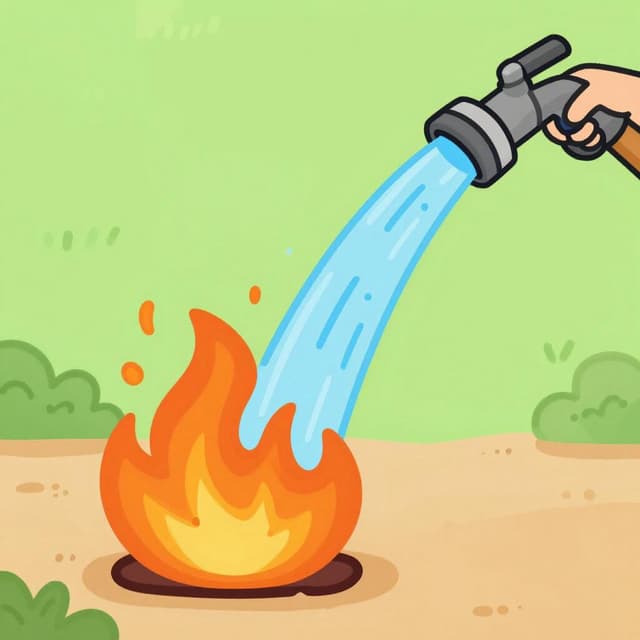
Koniugacja contrarrestar Tryb rozkazujący (twierdzący)
contrarrestar — to counteract
Use contrarresta, contrarreste, contrarrestemos, contrarresten, contrarrestad for direct commands.
Formy contrarrestar Tryb rozkazujący (twierdzący)
Kiedy używać Tryb rozkazujący (twierdzący)
You use the imperative mood to give direct commands or make strong suggestions. For 'contrarrestar,' you might tell someone to actively counter a specific problem or situation.
Uwagi dotyczące contrarrestar w czasie Tryb rozkazujący (twierdzący)
Contrarrestar is regular in the affirmative imperative. The 'vosotros' form is contrarrestad.
Przykładowe zdania
¡Contrarresta la negatividad con optimismo!
Counter the negativity with optimism!
tú
Señor, por favor, contrarreste esta tendencia.
Sir, please counteract this trend.
usted
¡Contrarrestemos la injusticia juntos!
Let's counteract injustice together!
nosotros
¡Contrarresten los rumores falsos inmediatamente!
Counter the false rumors immediately!
ustedes
¡Contrarrestad la pereza y ponedle ganas!
Counter the laziness and put in some effort!
vosotros
Częste błędy
Błąd: Using the subjunctive form instead of the imperative for tú.
Poprawnie: Use 'contrarresta' for tú, not 'contrarreste'.
Dlaczego: The tú imperative is formed from the él/ella/usted present indicative, while 'contrarreste' is subjunctive.
Błąd: Forgetting the 'd' in the vosotros form.
Poprawnie: The command form for vosotros is 'contrarrestad'.
Dlaczego: The regular imperative ending for -ar verbs in vosotros is -ad.
Opanuj hiszpańskie czasowniki w kontekście
Zapamiętywanie tabel to dopiero początek. Przeczytaj ponad 200 ilustrowanych i udźwiękowionych hiszpańskich historii, aby zobaczyć czasowniki takie jak 'contrarrestar' używane naturalnie — w czasach, których się uczysz.
Powiązane czasy
Czas teraźniejszy
yo: contrarresto
Use contrarresto, contrarrestas, contrarresta, contrarrestamos, contrarrestáis, contrarrestan for actions happening now or habitually.
Czas przeszły prosty
yo: contrarresté
The preterite of contrarrestar is regular: contrarreste, contrarrestaste, contrarrestó, contrarrestamos, contrarrestasteis, contrarrestaron.
Czas przeszły niedokonany
yo: contrarrestaba
Use contrarrestaba, contrarrestabas, contrarrestaba, contrarrestábamos, contrarrestabais, contrarrestaban for ongoing or habitual past actions.
Czas przyszły
yo: contrarrestaré
Use contrarrestaré, contrarrestarás, contrarrestará, contrarrestaremos, contrarrestaréis, contrarrestarán for future actions.
Tryb warunkowy
yo: contrarrestaría
Use contrarrestaría, contrarrestarías, contrarrestaría, contrarrestaríamos, contrarrestaríais, contrarrestarían for hypotheticals ('would').
Tryb Subj. teraźniejszy
yo: contrarreste
Use contrarreste, contrarrestes, contrarrestemos, contrarresten for wishes, doubts, emotions.
Tryb Subj. przeszły niedokonany
yo: contrarrestara
Use contrarrestara/contrarrestase forms for past hypotheticals or wishes.
Tryb rozkazujący (przeczący)
yo: no contrarrestes
Use 'no contrarrestes', 'no contrarreste', 'no contrarrestemos', 'no contrarresten', 'no contrarrestéis' for negative commands.