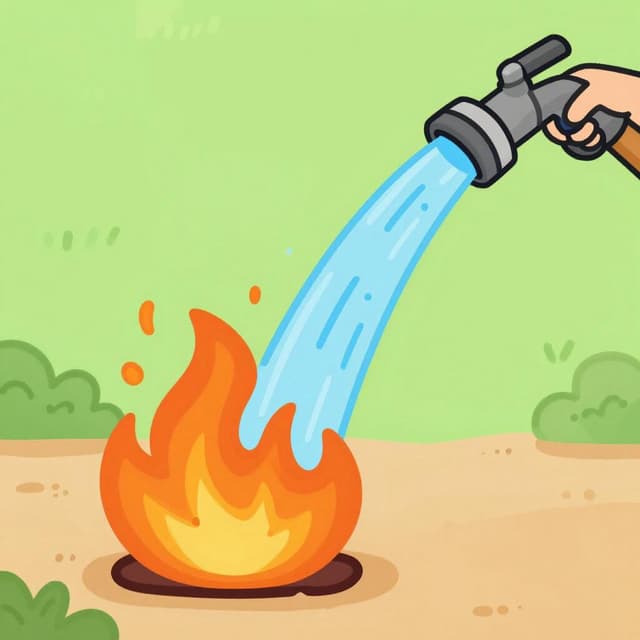
Koniugacja contrarrestar Czas przeszły niedokonany
contrarrestar — to counteract
Use contrarrestaba, contrarrestabas, contrarrestaba, contrarrestábamos, contrarrestabais, contrarrestaban for ongoing or habitual past actions.
Formy contrarrestar Czas przeszły niedokonany
Kiedy używać Czas przeszły niedokonany
The imperfect is for describing ongoing actions in the past, habitual actions, or setting the scene. You'd use it to describe how someone *used to* counteract a problem regularly, or what was happening when something else occurred.
Uwagi dotyczące contrarrestar w czasie Czas przeszły niedokonany
Contrarrestar is a regular -ar verb and is regular in the imperfect tense.
Przykładowe zdania
Cuando era joven, contrarrestaba el aburrimiento leyendo.
When I was young, I used to counteract boredom by reading.
yo
Tú contrarrestabas la presión del equipo con calma.
You used to counteract the team's pressure with calm.
tú
El gobierno contrarrestaba la crisis con medidas económicas.
The government was counteracting the crisis with economic measures.
él/ella/usted
Ellos contrarrestaban la fatiga durmiendo bien.
They counteracted fatigue by sleeping well.
ellos/ellas/ustedes
Częste błędy
Błąd: Using the preterite instead of the imperfect for a past habit.
Poprawnie: Use 'contrarrestaba' (imperfect) to describe a past habit, like 'I used to counteract'.
Dlaczego: The imperfect describes ongoing or repeated actions in the past, whereas the preterite describes a single completed action.
Błąd: Confusing the nosotros imperfect form.
Poprawnie: The correct nosotros form is 'contrarrestábamos'.
Dlaczego: Remember to keep the 'a' from the infinitive and add the imperfect ending '-ábamos'.
Opanuj hiszpańskie czasowniki w kontekście
Zapamiętywanie tabel to dopiero początek. Przeczytaj ponad 200 ilustrowanych i udźwiękowionych hiszpańskich historii, aby zobaczyć czasowniki takie jak 'contrarrestar' używane naturalnie — w czasach, których się uczysz.
Powiązane czasy
Czas teraźniejszy
yo: contrarresto
Use contrarresto, contrarrestas, contrarresta, contrarrestamos, contrarrestáis, contrarrestan for actions happening now or habitually.
Czas przeszły prosty
yo: contrarresté
The preterite of contrarrestar is regular: contrarreste, contrarrestaste, contrarrestó, contrarrestamos, contrarrestasteis, contrarrestaron.
Czas przyszły
yo: contrarrestaré
Use contrarrestaré, contrarrestarás, contrarrestará, contrarrestaremos, contrarrestaréis, contrarrestarán for future actions.
Tryb warunkowy
yo: contrarrestaría
Use contrarrestaría, contrarrestarías, contrarrestaría, contrarrestaríamos, contrarrestaríais, contrarrestarían for hypotheticals ('would').
Tryb Subj. teraźniejszy
yo: contrarreste
Use contrarreste, contrarrestes, contrarrestemos, contrarresten for wishes, doubts, emotions.
Tryb Subj. przeszły niedokonany
yo: contrarrestara
Use contrarrestara/contrarrestase forms for past hypotheticals or wishes.
Tryb rozkazujący (twierdzący)
yo: contrarresta
Use contrarresta, contrarreste, contrarrestemos, contrarresten, contrarrestad for direct commands.
Tryb rozkazujący (przeczący)
yo: no contrarrestes
Use 'no contrarrestes', 'no contrarreste', 'no contrarrestemos', 'no contrarresten', 'no contrarrestéis' for negative commands.