Koniugacja contrarrestar Tryb Subj. przeszły niedokonany
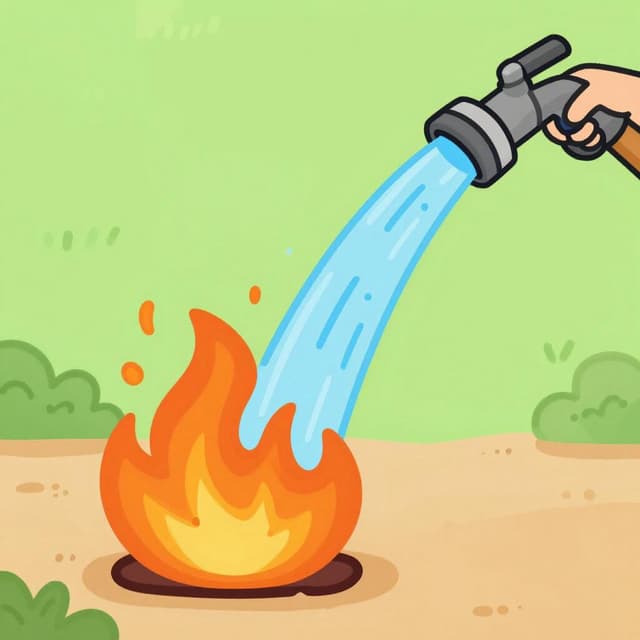
contrarrestar — to counteract
Use contrarrestara/contrarrestase forms for past hypotheticals or wishes.
Formy contrarrestar Tryb Subj. przeszły niedokonany
Kiedy używać Tryb Subj. przeszły niedokonany
The imperfect subjunctive is used for hypothetical situations in the past, wishes, or doubts that were relevant in a past context. It's often seen in 'if' clauses or after expressions of emotion or uncertainty that occurred in the past.
Uwagi dotyczące contrarrestar w czasie Tryb Subj. przeszły niedokonany
Contrarrestar is regular in the imperfect subjunctive. You can use either the -ra or -se ending (e.g., contrarrestara or contrarrestase), with the -ra form generally being more common.
Przykładowe zdania
Dudaba que él pudiera contrarrestar el efecto.
I doubted that he could counteract the effect.
él/ella/usted
Si yo hubiera sabido, habría intentado contrarrestar la situación.
If I had known, I would have tried to counteract the situation.
yo
Quería que tú contrarrestaras sus argumentos.
I wanted you to counteract his arguments.
tú
Ojalá ellos contrarrestaran la crisis económica.
I wish they would counteract the economic crisis.
ellos/ellas/ustedes
Częste błędy
Błąd: Using the imperfect indicative instead of the imperfect subjunctive.
Poprawnie: Use 'contrarrestara' or 'contrarrestase' instead of 'contrarrestaba'.
Dlaczego: Hypothetical or uncertain situations in the past require the subjunctive mood.
Błąd: Forgetting the accent on the 'a' in the -ra forms.
Poprawnie: Ensure forms like 'contrarrestara' have the accent.
Dlaczego: The accent indicates the stressed syllable and is crucial for correct pronunciation and spelling.
Opanuj hiszpańskie czasowniki w kontekście
Zapamiętywanie tabel to dopiero początek. Przeczytaj ponad 200 ilustrowanych i udźwiękowionych hiszpańskich historii, aby zobaczyć czasowniki takie jak 'contrarrestar' używane naturalnie — w czasach, których się uczysz.
Powiązane czasy
Czas teraźniejszy
yo: contrarresto
Use contrarresto, contrarrestas, contrarresta, contrarrestamos, contrarrestáis, contrarrestan for actions happening now or habitually.
Czas przeszły prosty
yo: contrarresté
The preterite of contrarrestar is regular: contrarreste, contrarrestaste, contrarrestó, contrarrestamos, contrarrestasteis, contrarrestaron.
Czas przeszły niedokonany
yo: contrarrestaba
Use contrarrestaba, contrarrestabas, contrarrestaba, contrarrestábamos, contrarrestabais, contrarrestaban for ongoing or habitual past actions.
Czas przyszły
yo: contrarrestaré
Use contrarrestaré, contrarrestarás, contrarrestará, contrarrestaremos, contrarrestaréis, contrarrestarán for future actions.
Tryb warunkowy
yo: contrarrestaría
Use contrarrestaría, contrarrestarías, contrarrestaría, contrarrestaríamos, contrarrestaríais, contrarrestarían for hypotheticals ('would').
Tryb Subj. teraźniejszy
yo: contrarreste
Use contrarreste, contrarrestes, contrarrestemos, contrarresten for wishes, doubts, emotions.
Tryb rozkazujący (twierdzący)
yo: contrarresta
Use contrarresta, contrarreste, contrarrestemos, contrarresten, contrarrestad for direct commands.
Tryb rozkazujący (przeczący)
yo: no contrarrestes
Use 'no contrarrestes', 'no contrarreste', 'no contrarrestemos', 'no contrarresten', 'no contrarrestéis' for negative commands.