Koniugacja distanciar Czas przeszły niedokonany
distanciar — to space out
The imperfect of distanciar is regular: distanciaba, distanciabas, distanciaba, distanciábamos, distanciabais, distanciaban.
Formy distanciar Czas przeszły niedokonany
Kiedy używać Czas przeszły niedokonany
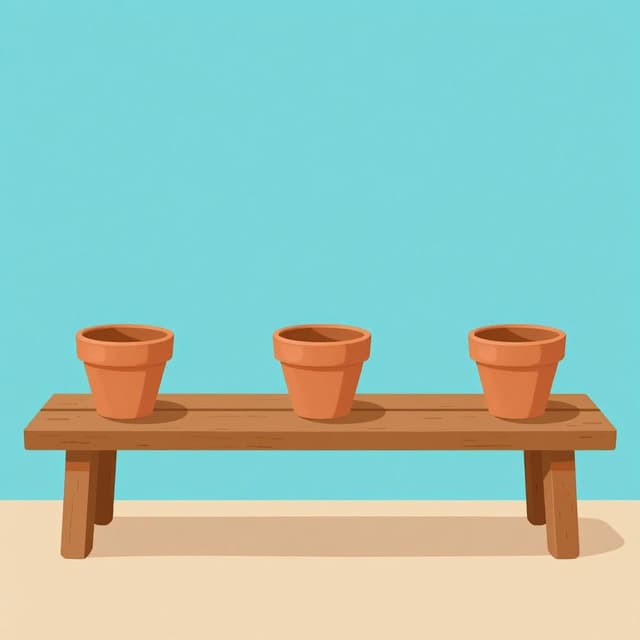
Use the imperfect to describe ongoing or habitual actions in the past. It sets the scene: 'When I was a child, I used to space out my toys' ('Cuando era niño, distanciaba mis juguetes'). It can also describe conditions or states in the past.
Uwagi dotyczące distanciar w czasie Czas przeszły niedokonany
Distanciar is regular in the imperfect indicative. The forms are created by adding the standard imperfect endings (-aba, -abas, -aba, -ábamos, -abais, -aban) to the infinitive stem.
Przykładowe zdania
Yo distanciaba mis libros en la estantería.
I used to space my books out on the shelf.
yo
¿Tú te distanciabas de ellos cuando discutían?
Did you used to distance yourself from them when they argued?
tú
Ella distanciaba las sillas para que hubiera más espacio.
She spaced the chairs out so there would be more room.
él/ella/usted
Nosotros distanciábamos los asientos en aquella época.
We used to space out the seats back then.
nosotros
Ellos distanciaban sus carpas en el festival.
They spaced their tents out at the festival.
ellos/ellas/ustedes
Częste błędy
Błąd: Using the preterite 'distanció' for an ongoing past action.
Poprawnie: Use the imperfect 'distanciaba' for ongoing or habitual past actions: 'Ella distanciaba las sillas'.
Dlaczego: The imperfect describes background or repeated actions, while the preterite describes completed events.
Błąd: Confusing the 'yo' and 'él/ella/usted' forms ('distanciaba').
Poprawnie: Both 'yo' and 'él/ella/usted' use 'distanciaba'. Context usually clarifies who is acting.
Dlaczego: These forms are identical in the imperfect tense for -ar verbs.
Opanuj hiszpańskie czasowniki w kontekście
Zapamiętywanie tabel to dopiero początek. Przeczytaj ponad 200 ilustrowanych i udźwiękowionych hiszpańskich historii, aby zobaczyć czasowniki takie jak 'distanciar' używane naturalnie — w czasach, których się uczysz.
Powiązane czasy
Czas teraźniejszy
yo: distancio
The present tense of distanciar is regular: distancio, distancias, distancia, distanciamos, distanciáis, distancian.
Czas przeszły prosty
yo: distancié
The preterite of distanciar is regular: distancié, distanciaste, distanció, distanciamos, distanciasteis, distanciaron.
Czas przyszły
yo: distanciaré
The future tense of distanciar is regular: distanciaré, distanciarás, distanciará, etc.
Tryb warunkowy
yo: distanciaría
The conditional of distanciar is regular: distanciaría, distanciarías, distanciaría, etc.
Tryb Subj. teraźniejszy
yo: distancie
Use 'distancie', 'distancies', 'distanciemos', etc., after expressions of doubt, desire, or emotion.
Tryb Subj. przeszły niedokonany
yo: distanciara
Use 'distanciara' or 'distanciase' for past hypothetical situations or wishes, like 'If I spaced out...'.
Tryb rozkazujący (twierdzący)
yo: distancia
Use 'distancia', 'distancie', 'distanciemos', 'distancien', 'distanciad' for direct commands with 'distanciar'.
Tryb rozkazujący (przeczący)
yo: no distancies
Negative commands use 'no' plus the present subjunctive: 'no distancies', 'no distancie', etc.