Koniugacja quitar Tryb warunkowy
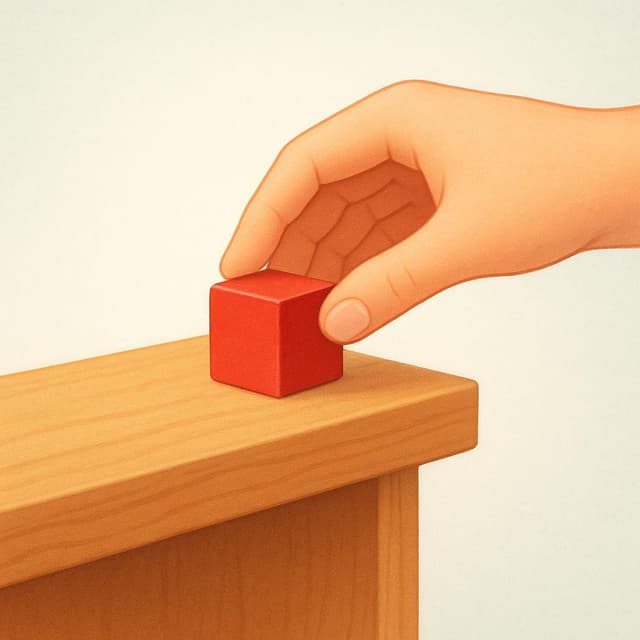
quitar — remove
The conditional of quitar is regular: quitaría, quitarías, quitaría, quitaríamos, quitaríais, quitarían.
Formy quitar Tryb warunkowy
Kiedy używać Tryb warunkowy
Use the conditional to express what you 'would' remove in a hypothetical situation or to make a polite request about removing something.
Uwagi dotyczące quitar w czasie Tryb warunkowy
Quitar is regular in the conditional. All forms have an accent on the 'í'.
Przykładowe zdania
Yo quitaría ese cuadro, no combina con la sala.
I would remove that painting; it doesn't match the room.
yo
¿Quitarías tú el anuncio de la web?
Would you remove the ad from the website?
tú
Nosotros quitaríamos la mesa si tuviéramos tiempo.
We would clear the table if we had time.
nosotros
Częste błędy
Błąd: Confusing quitaría with the imperfect quitaba.
Poprawnie: quitaría is 'would remove', quitaba is 'used to remove'.
Dlaczego: Both tenses deal with the past or hypothetical, leading to confusion in usage.
Opanuj hiszpańskie czasowniki w kontekście
Zapamiętywanie tabel to dopiero początek. Przeczytaj ponad 200 ilustrowanych i udźwiękowionych hiszpańskich historii, aby zobaczyć czasowniki takie jak 'quitar' używane naturalnie — w czasach, których się uczysz.
Powiązane czasy
Czas teraźniejszy
yo: quito
The present tense of quitar is regular: quito, quitas, quita, quitamos, quitáis, quitan.
Czas przeszły prosty
yo: quité
The preterite of quitar is regular: quité, quitaste, quitó, quitamos, quitasteis, quitaron.
Czas przeszły niedokonany
yo: quitaba
The imperfect of quitar follows the standard -aba pattern: quitaba, quitabas, quitaba, quitábamos, quitabais, quitaban.
Czas przyszły
yo: quitaré
The future of quitar uses the infinitive as a stem: quitaré, quitarás, quitará, quitaremos, quitaréis, quitarán.
Tryb Subj. teraźniejszy
yo: quite
The present subjunctive of quitar swaps -ar for -e: quite, quites, quite, quitemos, quitéis, quiten.
Tryb Subj. przeszły niedokonany
yo: quitara
The imperfect subjunctive of quitar uses the preterite stem: quitara, quitaras, quitara, quitáramos, quitarais, quitaran.
Tryb rozkazujący (twierdzący)
yo: quita
The affirmative imperative of quitar is quita (tú), quite (usted), and quitad (vosotros).
Tryb rozkazujący (przeczący)
yo: no quites
The negative imperative of quitar uses the present subjunctive: no quites, no quite, no quitemos, no quitéis, no quiten.