Koniugacja quitar Czas przeszły niedokonany
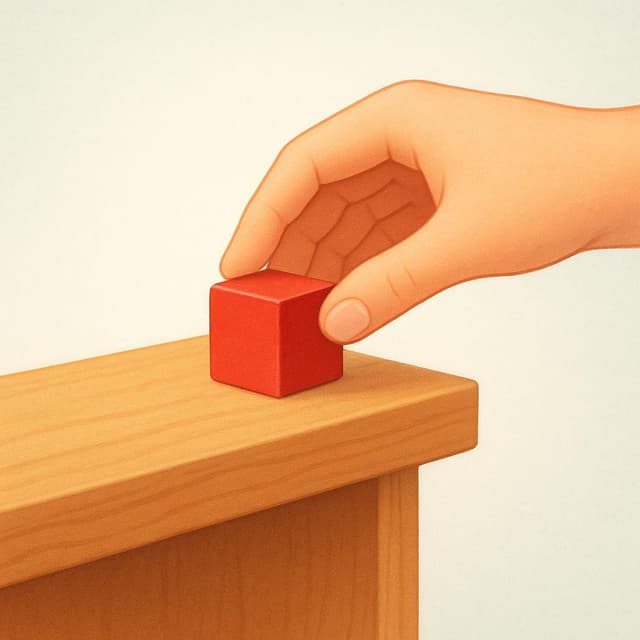
quitar — remove
The imperfect of quitar follows the standard -aba pattern: quitaba, quitabas, quitaba, quitábamos, quitabais, quitaban.
Formy quitar Czas przeszły niedokonany
Kiedy używać Czas przeszły niedokonany
Use the imperfect to describe habitual past removals, like a teacher who used to take away phones, or ongoing background actions.
Uwagi dotyczące quitar w czasie Czas przeszły niedokonany
Quitar is regular in the imperfect. Remember the accent only on the 'nosotros' form: quitábamos.
Przykładowe zdania
De niño, mi madre me quitaba los dulces.
As a child, my mother used to take away my sweets.
él/ella/usted
Mientras nosotros quitábamos la pintura, ellos limpiaban.
While we were removing the paint, they were cleaning.
nosotros
Tú siempre quitabas la etiqueta de la ropa.
You always used to remove the tag from clothes.
tú
Częste błędy
Błąd: Using preterite for 'used to remove'.
Poprawnie: Use the imperfect (quitaba) for habitual actions.
Dlaczego: Learners often default to the preterite for all past actions even if they were repeated.
Opanuj hiszpańskie czasowniki w kontekście
Zapamiętywanie tabel to dopiero początek. Przeczytaj ponad 200 ilustrowanych i udźwiękowionych hiszpańskich historii, aby zobaczyć czasowniki takie jak 'quitar' używane naturalnie — w czasach, których się uczysz.
Powiązane czasy
Czas teraźniejszy
yo: quito
The present tense of quitar is regular: quito, quitas, quita, quitamos, quitáis, quitan.
Czas przeszły prosty
yo: quité
The preterite of quitar is regular: quité, quitaste, quitó, quitamos, quitasteis, quitaron.
Czas przyszły
yo: quitaré
The future of quitar uses the infinitive as a stem: quitaré, quitarás, quitará, quitaremos, quitaréis, quitarán.
Tryb warunkowy
yo: quitaría
The conditional of quitar is regular: quitaría, quitarías, quitaría, quitaríamos, quitaríais, quitarían.
Tryb Subj. teraźniejszy
yo: quite
The present subjunctive of quitar swaps -ar for -e: quite, quites, quite, quitemos, quitéis, quiten.
Tryb Subj. przeszły niedokonany
yo: quitara
The imperfect subjunctive of quitar uses the preterite stem: quitara, quitaras, quitara, quitáramos, quitarais, quitaran.
Tryb rozkazujący (twierdzący)
yo: quita
The affirmative imperative of quitar is quita (tú), quite (usted), and quitad (vosotros).
Tryb rozkazujący (przeczący)
yo: no quites
The negative imperative of quitar uses the present subjunctive: no quites, no quite, no quitemos, no quitéis, no quiten.