Koniugacja quitar Czas przyszły
quitar — remove
The future of quitar uses the infinitive as a stem: quitaré, quitarás, quitará, quitaremos, quitaréis, quitarán.
Formy quitar Czas przyszły
Kiedy używać Czas przyszły
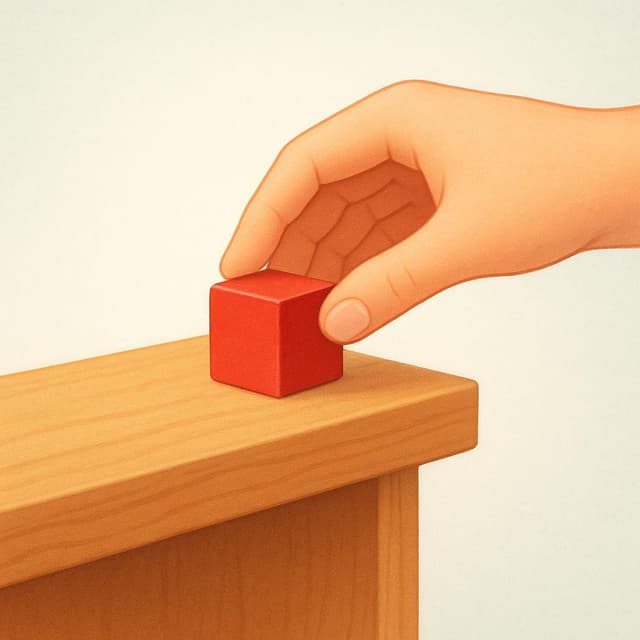
Use the future when promising to remove something later, like 'I will take that off the bill,' or predicting future removals.
Uwagi dotyczące quitar w czasie Czas przyszły
Quitar is regular in the future. Add the standard endings directly to the full infinitive 'quitar'.
Przykładowe zdania
El camarero quitará el plato pronto.
The waiter will remove the plate soon.
él/ella/usted
Mañana quitaré las decoraciones de Navidad.
Tomorrow I will take down the Christmas decorations.
yo
Ellos quitarán los obstáculos del camino.
They will remove the obstacles from the path.
ellos/ellas/ustedes
Częste błędy
Błąd: Dropping the 'ar' before adding endings.
Poprawnie: Keep the 'ar' (quitaré, not quité).
Dlaczego: Learners confuse the future stem (infinitive) with the preterite stem.
Opanuj hiszpańskie czasowniki w kontekście
Zapamiętywanie tabel to dopiero początek. Przeczytaj ponad 200 ilustrowanych i udźwiękowionych hiszpańskich historii, aby zobaczyć czasowniki takie jak 'quitar' używane naturalnie — w czasach, których się uczysz.
Powiązane czasy
Czas teraźniejszy
yo: quito
The present tense of quitar is regular: quito, quitas, quita, quitamos, quitáis, quitan.
Czas przeszły prosty
yo: quité
The preterite of quitar is regular: quité, quitaste, quitó, quitamos, quitasteis, quitaron.
Czas przeszły niedokonany
yo: quitaba
The imperfect of quitar follows the standard -aba pattern: quitaba, quitabas, quitaba, quitábamos, quitabais, quitaban.
Tryb warunkowy
yo: quitaría
The conditional of quitar is regular: quitaría, quitarías, quitaría, quitaríamos, quitaríais, quitarían.
Tryb Subj. teraźniejszy
yo: quite
The present subjunctive of quitar swaps -ar for -e: quite, quites, quite, quitemos, quitéis, quiten.
Tryb Subj. przeszły niedokonany
yo: quitara
The imperfect subjunctive of quitar uses the preterite stem: quitara, quitaras, quitara, quitáramos, quitarais, quitaran.
Tryb rozkazujący (twierdzący)
yo: quita
The affirmative imperative of quitar is quita (tú), quite (usted), and quitad (vosotros).
Tryb rozkazujący (przeczący)
yo: no quites
The negative imperative of quitar uses the present subjunctive: no quites, no quite, no quitemos, no quitéis, no quiten.