Koniugacja quitar Czas przeszły prosty
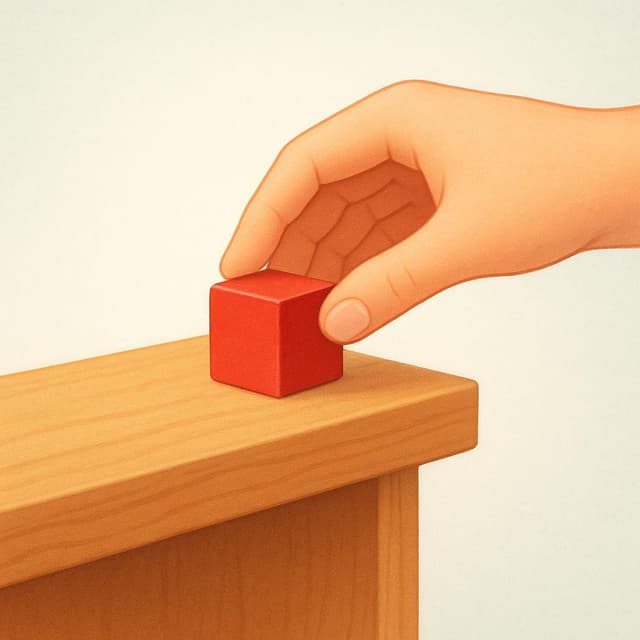
quitar — remove
The preterite of quitar is regular: quité, quitaste, quitó, quitamos, quitasteis, quitaron.
Formy quitar Czas przeszły prosty
Kiedy używać Czas przeszły prosty
Use the preterite for completed actions in the past, such as when you took something away or removed a specific stain yesterday.
Uwagi dotyczące quitar w czasie Czas przeszły prosty
Quitar is completely regular in the preterite. The 'nosotros' form is identical to the present tense.
Przykładowe zdania
Ayer quité las cortinas viejas.
Yesterday I took down the old curtains.
yo
Ella quitó el libro de la mesa.
She removed the book from the table.
él/ella/usted
Ellos quitaron la nieve de la entrada.
They cleared the snow from the driveway.
ellos/ellas/ustedes
Częste błędy
Błąd: Forgetting the accent on quité or quitó.
Poprawnie: quité (yo) and quitó (él/ella/usted).
Dlaczego: Without the accent, the stress shifts and the meaning or tense changes.
Opanuj hiszpańskie czasowniki w kontekście
Zapamiętywanie tabel to dopiero początek. Przeczytaj ponad 200 ilustrowanych i udźwiękowionych hiszpańskich historii, aby zobaczyć czasowniki takie jak 'quitar' używane naturalnie — w czasach, których się uczysz.
Powiązane czasy
Czas teraźniejszy
yo: quito
The present tense of quitar is regular: quito, quitas, quita, quitamos, quitáis, quitan.
Czas przeszły niedokonany
yo: quitaba
The imperfect of quitar follows the standard -aba pattern: quitaba, quitabas, quitaba, quitábamos, quitabais, quitaban.
Czas przyszły
yo: quitaré
The future of quitar uses the infinitive as a stem: quitaré, quitarás, quitará, quitaremos, quitaréis, quitarán.
Tryb warunkowy
yo: quitaría
The conditional of quitar is regular: quitaría, quitarías, quitaría, quitaríamos, quitaríais, quitarían.
Tryb Subj. teraźniejszy
yo: quite
The present subjunctive of quitar swaps -ar for -e: quite, quites, quite, quitemos, quitéis, quiten.
Tryb Subj. przeszły niedokonany
yo: quitara
The imperfect subjunctive of quitar uses the preterite stem: quitara, quitaras, quitara, quitáramos, quitarais, quitaran.
Tryb rozkazujący (twierdzący)
yo: quita
The affirmative imperative of quitar is quita (tú), quite (usted), and quitad (vosotros).
Tryb rozkazujący (przeczący)
yo: no quites
The negative imperative of quitar uses the present subjunctive: no quites, no quite, no quitemos, no quitéis, no quiten.