Koniugacja recoger Tryb Subj. przeszły niedokonany
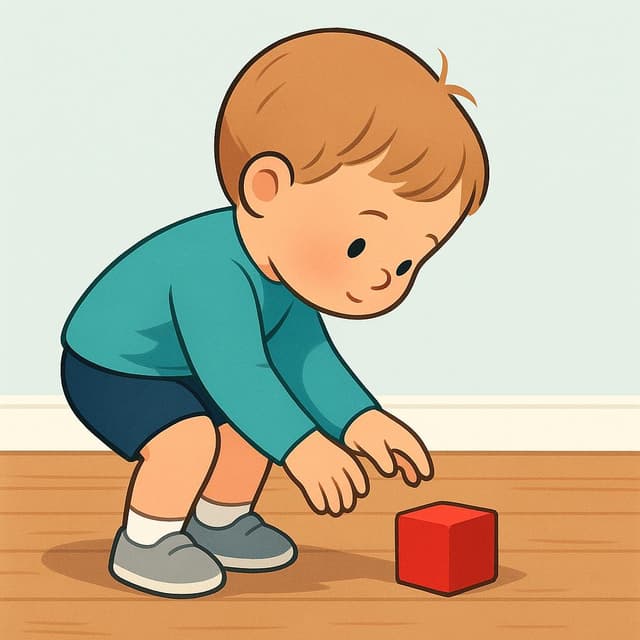
recoger — to pick up
The imperfect subjunctive of recoger is regular: recogiera, recogieras, recogiera, recogiéramos, recogierais, recogieran.
Formy recoger Tryb Subj. przeszły niedokonany
Kiedy używać Tryb Subj. przeszły niedokonany
Use this for 'if' clauses or past-tense requests (e.g., 'If I picked up the money, I would tell you' or 'She asked me to pick it up').
Uwagi dotyczące recoger w czasie Tryb Subj. przeszły niedokonany
This tense is formed from the third-person plural preterite (recogieron), so the 'g' returns because the endings start with 'ie'.
Przykładowe zdania
Si yo recogiera más a menudo, la casa estaría limpia.
If I tidied up more often, the house would be clean.
yo
Me pidió que recogiera el paquete.
He asked me to pick up the package.
él/ella/usted
Si nosotros recogiéramos la mesa, terminaríamos antes.
If we cleared the table, we would finish sooner.
nosotros
Częste błędy
Błąd: Using a 'j' (e.g., 'recojiera').
Poprawnie: recogiera
Dlaczego: Since the ending starts with 'i', the 'g' already makes the correct soft 'h' sound. No 'j' is needed.
Opanuj hiszpańskie czasowniki w kontekście
Zapamiętywanie tabel to dopiero początek. Przeczytaj ponad 200 ilustrowanych i udźwiękowionych hiszpańskich historii, aby zobaczyć czasowniki takie jak 'recoger' używane naturalnie — w czasach, których się uczysz.
Powiązane czasy
Czas teraźniejszy
yo: recojo
Recoger has a spelling change in the 'yo' form (recojo) to keep the 'h' sound, but is otherwise regular.
Czas przeszły prosty
yo: recogí
The preterite of recoger is regular: recogí, recogiste, recogió, recogimos, recogisteis, recogieron.
Czas przeszły niedokonany
yo: recogía
The imperfect of recoger is regular: recogía, recogías, recogía, recogíamos, recogíais, recogían.
Czas przyszły
yo: recogeré
The future of recoger is regular: recogeré, recogerás, recogerá, recogeremos, recogeréis, recogerán.
Tryb warunkowy
yo: recogería
The conditional of recoger is regular: recogería, recogerías, recogería, recogeríamos, recogeríais, recogerían.
Tryb Subj. teraźniejszy
yo: recoja
The present subjunctive of recoger uses the 'j' spelling in all forms: recoja, recojas, recoja, recojamos, recojáis, recojan.
Tryb rozkazujący (twierdzący)
yo: recoge
The imperative uses 'recoge' (tú) and 'recoja' (usted). Note the 'j' in the formal and plural forms.
Tryb rozkazujący (przeczący)
yo: no recojas
The negative imperative always uses a 'j': no recojas, no recoja, no recojamos, no recojáis, no recojan.