Koniugacja recoger Czas teraźniejszy
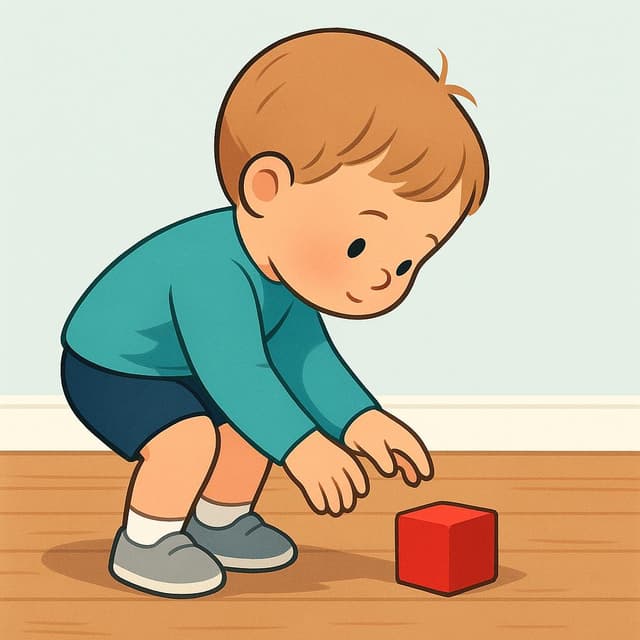
recoger — to pick up
Recoger has a spelling change in the 'yo' form (recojo) to keep the 'h' sound, but is otherwise regular.
Formy recoger Czas teraźniejszy
Kiedy używać Czas teraźniejszy
Use this for habits, like picking up the mail daily, or for actions happening right now, like cleaning up your desk.
Uwagi dotyczące recoger w czasie Czas teraźniejszy
The verb is a 'g-to-j' changer in the 'yo' form. Since 'go' sounds like 'go' (as in goat), we use 'recojo' to maintain the soft 'h' sound of the infinitive.
Przykładowe zdania
Yo siempre recojo la mesa después de cenar.
I always clear the table after eating dinner.
yo
Ella recoge a los niños del colegio a las tres.
She picks up the kids from school at three.
él/ella/usted
Nosotros recogemos la basura los lunes.
We pick up the trash on Mondays.
nosotros
Częste błędy
Błąd: Writing 'recogo' for the yo form.
Poprawnie: recojo
Dlaczego: In Spanish, 'go' is a hard sound. To keep the 'h' sound from 'recoger', you must change the 'g' to a 'j' before an 'o'.
Opanuj hiszpańskie czasowniki w kontekście
Zapamiętywanie tabel to dopiero początek. Przeczytaj ponad 200 ilustrowanych i udźwiękowionych hiszpańskich historii, aby zobaczyć czasowniki takie jak 'recoger' używane naturalnie — w czasach, których się uczysz.
Powiązane czasy
Czas przeszły prosty
yo: recogí
The preterite of recoger is regular: recogí, recogiste, recogió, recogimos, recogisteis, recogieron.
Czas przeszły niedokonany
yo: recogía
The imperfect of recoger is regular: recogía, recogías, recogía, recogíamos, recogíais, recogían.
Czas przyszły
yo: recogeré
The future of recoger is regular: recogeré, recogerás, recogerá, recogeremos, recogeréis, recogerán.
Tryb warunkowy
yo: recogería
The conditional of recoger is regular: recogería, recogerías, recogería, recogeríamos, recogeríais, recogerían.
Tryb Subj. teraźniejszy
yo: recoja
The present subjunctive of recoger uses the 'j' spelling in all forms: recoja, recojas, recoja, recojamos, recojáis, recojan.
Tryb Subj. przeszły niedokonany
yo: recogiera
The imperfect subjunctive of recoger is regular: recogiera, recogieras, recogiera, recogiéramos, recogierais, recogieran.
Tryb rozkazujący (twierdzący)
yo: recoge
The imperative uses 'recoge' (tú) and 'recoja' (usted). Note the 'j' in the formal and plural forms.
Tryb rozkazujący (przeczący)
yo: no recojas
The negative imperative always uses a 'j': no recojas, no recoja, no recojamos, no recojáis, no recojan.