
Crecer vs Cultivar
Crecer is what things do on their own; cultivar is what you do to them.
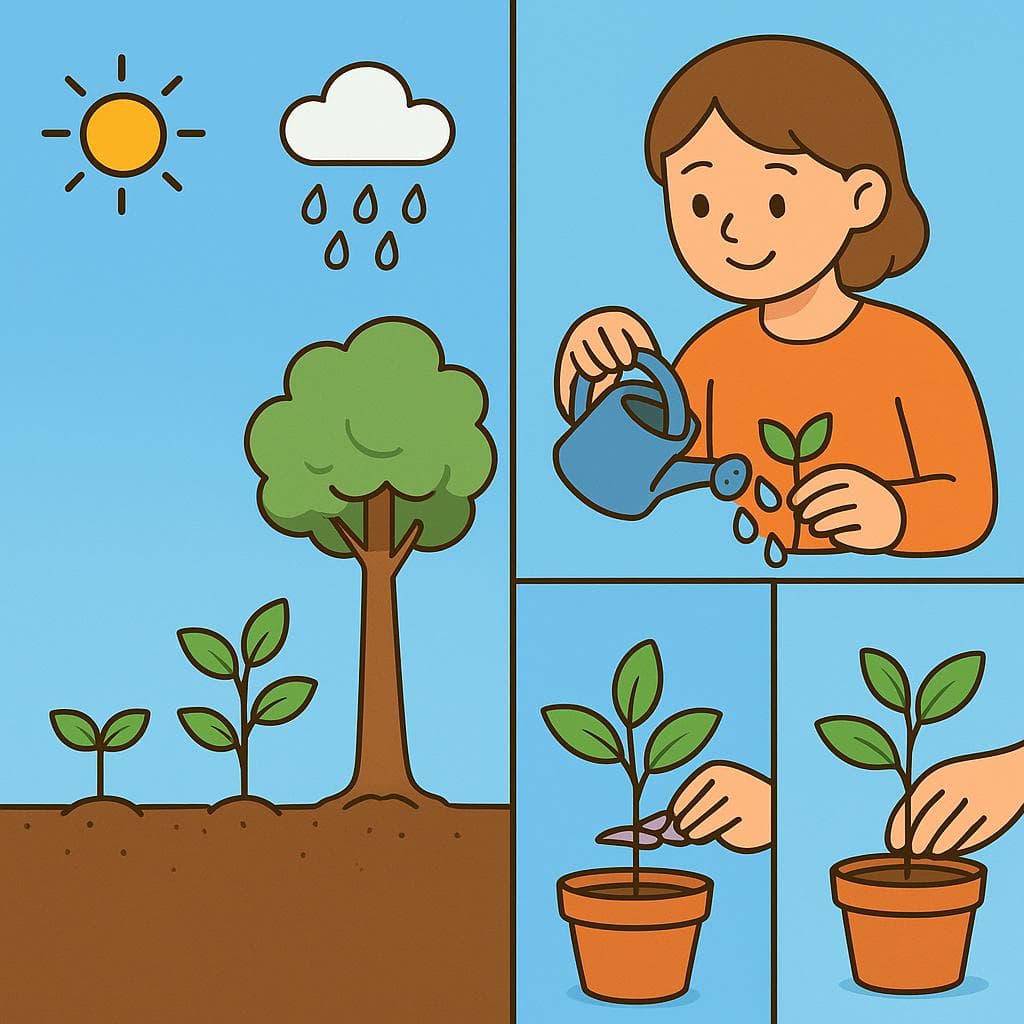
crecer
To grow, get bigger, increase (naturally or spontaneously)
kreh-SEHRcultivar
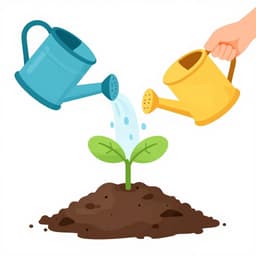
To cultivate, grow something intentionally, foster, nurture
kool-tee-VARQuick Rule
Crecer is what things do on their own; cultivar is what you do to them.
Think: Crecer = 'Grow' (natural). Cultivar = 'Cultivate' (intentional).
- Figurative uses follow the same logic: 'crecer como persona' (to grow as a person) is a natural process, while 'cultivar una amistad' (to cultivate a friendship) requires effort.
Comparison Table
| Context | crecer | cultivar | Why? |
|---|---|---|---|
| Plants & Farming | El maíz crece bien aquí. | Los agricultores cultivan maíz. | Crecer is what the plant does by itself; cultivar is what the farmer actively does. |
| Figurative Growth | Su interés por el arte creció. | Él cultivó su interés por el arte. | Crecer describes a spontaneous increase; cultivar implies intentional effort and nurturing. |
| Personal Qualities | Creció con valores sólidos. | Cultivó sus valores a lo largo de su vida. | Crecer refers to the process of growing up; cultivar refers to actively developing those values. |
When to Use "crecer / cultivar"
crecer
To grow, get bigger, increase (naturally or spontaneously)
kreh-SEHR
Natural growth of living things
Las plantas crecen más rápido en primavera.
Plants grow faster in spring.
People growing up
Mi hijo ha crecido mucho este año.
My son has grown a lot this year.
Increase in size or number
La economía creció un 2%.
The economy grew by 2%.
Figurative personal development
Crecí mucho como persona durante mi viaje.
I grew a lot as a person during my trip.
cultivar
To cultivate, grow something intentionally, foster, nurture
kool-tee-VAR
Farming and gardening
Mi abuelo cultiva tomates en su jardín.
My grandfather grows tomatoes in his garden.
Nurturing relationships
Es importante cultivar las amistades.
It's important to cultivate friendships.
Developing skills or qualities
Ella cultiva la paciencia a través de la meditación.
She cultivates patience through meditation.
Intellectual or artistic development
Le gusta cultivar su mente leyendo mucho.
He likes to cultivate his mind by reading a lot.
Contrast Examples
With "crecer":
Las flores crecen muy rápido con esta lluvia.
The flowers are growing very fast with this rain.
With "cultivar":
Yo cultivo flores raras en mi invernadero.
I grow (cultivate) rare flowers in my greenhouse.
The Difference: Crecer describes the natural process of the flowers getting bigger. Cultivar describes the intentional act of planting and caring for them.
With "crecer":
Mi confianza creció después de la presentación.
My confidence grew after the presentation.
With "cultivar":
Intento cultivar la confianza en mí mismo cada día.
I try to cultivate self-confidence every day.
The Difference: Crecer suggests a natural, almost passive increase in confidence. Cultivar implies an active, deliberate effort to build it.
Common Mistakes
Yo crezco tomates en mi jardín.
Yo cultivo tomates en mi jardín.
Because you are intentionally planting and caring for the tomatoes, you use 'cultivar'. 'Crecer' is what the tomatoes do on their own.
Quiero cultivar más alto.
Quiero crecer más.
Getting taller is a natural process your body does. Use 'crecer' for this kind of personal, physical growth.
Quick Practice
Quick Quiz: Crecer vs Cultivar
Question 1 of 3
Los niños ___ muy rápido.
Related Grammar
Want to understand the grammar behind this pair? Explore these lessons for a deep dive:
Key Words

Tags
Build the instinct, not just the rule
Rules help you get it right; context makes it automatic. Read 200+ illustrated and narrated Spanish stories to see confusing pairs chosen correctly — over and over — until you stop thinking about it.
Frequently Asked Questions
Can I ever use 'crecer' for something I do myself?
Yes, but only for things that happen naturally to you. For example, 'Quiero crecer mi pelo' (I want to grow my hair) is a common way to say it, because the growing itself is a natural process, even if you decide to let it happen.
Are 'cultivar' and 'cultura' (culture) related?
Absolutely! They both come from the same Latin root related to tilling and tending. You 'cultivate' land to grow crops, and you 'cultivate' your mind and society to create 'culture'. It's all about intentional development.