
Jugar vs Tocar
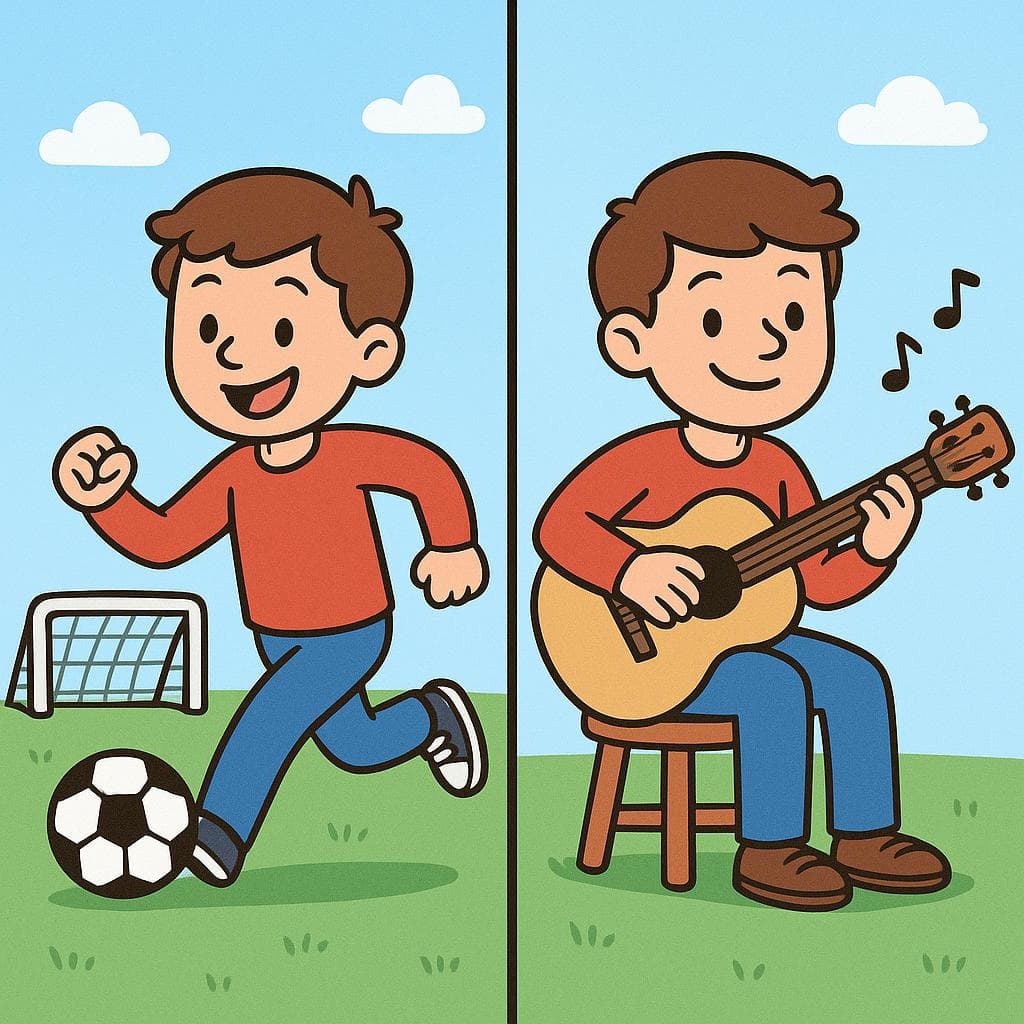
Jugar is for games and sports. Tocar is for musical instruments and physical touch.
jugar
To play (games, sports, activities for fun)
hoo-GARtocar
To play (an instrument), to touch, to knock, to be one's turn
toh-CARQuick Rule
Jugar is for games and sports. Tocar is for musical instruments and physical touch.
Think: You play a game, but you touch a guitar. Don't fall for the English trap!
- Tocar can also mean 'it's your turn' (Te toca a ti) or to knock on a door (tocar la puerta).
Comparison Table
| Context | jugar | tocar | Why? |
|---|---|---|---|
| Recreational Activities | Jugar al baloncesto | Tocar la batería | Jugar for a sport, tocar for a musical instrument. |
| Interacting with an object | Jugar con la pelota | Tocar la pelota | Jugar implies an activity or game. Tocar implies a single, simple physical contact. |
| Figurative Meanings | Jugar con fuego (To play with fire) | Me tocó la lotería (I won the lottery) | Jugar can mean toying with something dangerous. Tocar can mean to be affected by luck or fate. |
When to Use "jugar / tocar"
jugar
To play (games, sports, activities for fun)
hoo-GAR
Sports
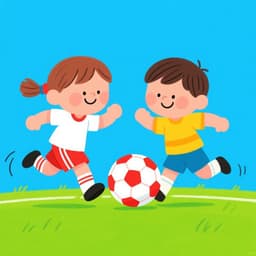
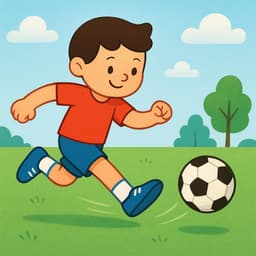
Juego al fútbol los sábados.
I play soccer on Saturdays.
Games (board, video, etc.)
¿Quieres jugar a las cartas?
Do you want to play cards?
Playing with something
El gato juega con un ratón de juguete.
The cat plays with a toy mouse.
Figuratively 'playing' or toying with
No juegues con mis sentimientos.
Don't play with my feelings.
tocar
To play (an instrument), to touch, to knock, to be one's turn
toh-CAR
Musical instruments
Mi hermana toca el piano muy bien.
My sister plays the piano very well.
Physical touch
¡Cuidado! No toques la estufa, está caliente.
Careful! Don't touch the stove, it's hot.
To be someone's turn
Ahora me toca a mí.
Now it's my turn.
Knocking on a door
Alguien está tocando la puerta.
Someone is knocking on the door.
Contrast Examples
With "jugar":
El niño está jugando en el piano.
The child is playing on the piano. (Banging keys, not making music.)
With "tocar":
El niño está tocando el piano.
The child is playing the piano. (Making music.)
The Difference: Jugar implies a non-musical, playful interaction with the object. Tocar refers specifically to the act of playing it as a musical instrument.
With "jugar":
Vamos a jugar voleibol.
Let's play volleyball. (Referring to the whole activity.)
With "tocar":
En voleibol, no puedes tocar la red.
In volleyball, you cannot touch the net. (Referring to a specific physical action.)
The Difference: Jugar describes the entire sport or game. Tocar describes a single, specific instance of physical contact within that game.
Common Mistakes
Yo juego la guitarra.
Yo toco la guitarra.
This is a classic mistake for English speakers. In Spanish, you always 'tocar' an instrument, never 'jugar'.
¿Quieres tocar al fútbol conmigo?
¿Quieres jugar al fútbol conmigo?
Sports and games always use 'jugar'. 'Tocar al fútbol' would mean to physically touch the sport, which doesn't make sense.
Quick Practice
Quick Quiz: Jugar vs Tocar
Question 1 of 3
Mi padre ___ el saxofón en una banda de jazz.
Related Grammar
Want to understand the grammar behind this pair? Explore these lessons for a deep dive:
Key Words


Tags
Build the instinct, not just the rule
Rules help you get it right; context makes it automatic. Read 200+ illustrated and narrated Spanish stories to see confusing pairs chosen correctly — over and over — until you stop thinking about it.
Frequently Asked Questions
Why can't I use 'jugar' for instruments like in English?
It's simply a difference in how the languages evolved. English uses 'to play' for both games and instruments, but Spanish makes a clear distinction. Think of it like this: you 'touch' the keys of a piano or the strings of a guitar to make music, so you use 'tocar'. You participate in a 'juego' (game), so you 'jugar'.
Do I need to use 'a' or 'al' after jugar?
Yes, often! When you play a specific sport or game, you use the structure 'jugar + a + el/la' which contracts to 'al' for masculine nouns. For example, 'jugar al fútbol' or 'jugar a las cartas'. You don't use it when you're just talking about playing in general, like 'los niños salen a jugar'.