
Época vs Era
Época is a period defined by events. Era is a vast, major division of time.
época
A specific period of time characterized by certain events, people, or conditions. Think 'period', 'time', or 'season'.
EH-poh-kahera
A very long and distinct period of history, often starting from a major event, or a geological time scale. Think 'era' or 'age'.
EH-rahQuick Rule
Época is a period defined by events. Era is a vast, major division of time.
Think: Época = Events. Era = Enormous. And 'edad' is for age in years!
- In some historical contexts, like 'la época/era romana', they can be used interchangeably, with 'era' sounding more grand.
- Don't confuse either with 'edad', which is used for a person's age (e.g., 'Tengo 30 años de edad').
Comparison Table
| Context | época | era | Why? |
|---|---|---|---|
| Scale of Time | La época de la posguerra. | La Era Mesozoica. | Época is for a human-scale historical period. Era is for vast geological or historical divisions. |
| Personal vs. Universal | Fue la mejor época de mi vida. | Vivimos en la era de la información. | Época can be personal ('my time'). Era is almost always large-scale and shared by humanity. |
| Defining Feature | La época del cine de oro. | La era de la exploración espacial. | Época is often defined by a specific cultural trend. Era is defined by a major, transformative shift. |
When to Use "época / era"
época
A specific period of time characterized by certain events, people, or conditions. Think 'period', 'time', or 'season'.
EH-poh-kah
Historical periods with a specific character
La época victoriana fue un tiempo de mucha innovación.
The Victorian period was a time of great innovation.
Personal life stages
Recuerdo mi época de estudiante con mucho cariño.
I remember my time as a student with great affection.
Seasons or specific times of year
En esta época del año, siempre llueve.
At this time of year, it always rains.
era
A very long and distinct period of history, often starting from a major event, or a geological time scale. Think 'era' or 'age'.
EH-rah
Major historical or geological divisions
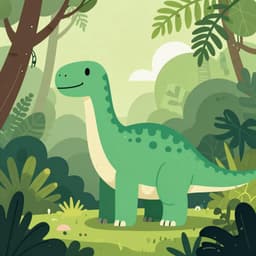
La era de los dinosaurios es fascinante.
The age of dinosaurs is fascinating.
Broad, transformative periods
Vivimos en la era digital.
We live in the digital era.
Figurative, major new beginnings
Su llegada marcó el inicio de una nueva era para la empresa.
His arrival marked the beginning of a new era for the company.
Contrast Examples
With "época":
La época de los primeros ordenadores fue fascinante.
The period of the first computers was fascinating.
With "era":
Estamos en la era de la inteligencia artificial.
We are in the era of artificial intelligence.
The Difference: Época points to a specific, contained period in the past. Era describes a broad, ongoing, and transformative age we are currently living in.
With "época":
Fue una época de grandes cambios sociales.
It was a time of great social changes.
With "era":
La caída de Roma marcó el fin de una era.
The fall of Rome marked the end of an era.
The Difference: Época is a good general word for a 'time' or 'period'. Era implies a much larger, fundamental shift in history, something of monumental importance.
Common Mistakes
Tengo treinta épocas.
Tengo treinta años (de edad).
To state your age, always use 'años' or the full phrase 'años de edad'. 'Época' and 'era' are for periods of history, not a person's age.
La era cuando yo era niño fue muy divertida.
La época cuando yo era niño fue muy divertida.
For personal life stages like childhood, use 'época'. 'Era' is too grand and sounds unnatural for talking about your own life.
Quick Practice
Quick Quiz: Época vs Era
Question 1 of 2
Which word best completes the sentence? 'La ___ de los dinosaurios terminó hace 65 millones de años.'
Related Grammar
Want to understand the grammar behind this pair? Explore these lessons for a deep dive:
Key Words

Tags
Build the instinct, not just the rule
Rules help you get it right; context makes it automatic. Read 200+ illustrated and narrated Spanish stories to see confusing pairs chosen correctly — over and over — until you stop thinking about it.
Frequently Asked Questions
So, what is 'edad' for?
'Edad' is almost exclusively for the age of a person, animal, or sometimes an object, measured in years. For example, '¿Qué edad tienes?' (How old are you?) or 'La edad del universo' (The age of the universe). It's about a specific duration, not a historical period with a certain character.
Can 'época' and 'era' ever be used for the same thing?
Yes, sometimes they overlap, especially in historical writing. You might see both 'la época romana' and 'la era romana'. In these cases, 'era' often sounds a bit more formal or emphasizes the period's massive scale and importance, while 'época' is a more general term for 'time' or 'period'.