
Gordo vs Grueso
Gordo is for living things (fat). Grueso is for objects (thick).

gordo
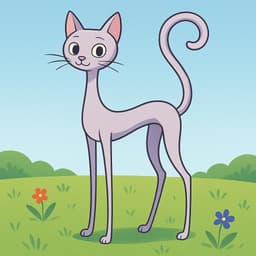
Fat, plump, stout (used for people and animals)
GOR-dohgrueso
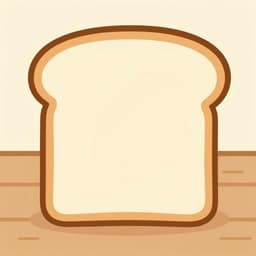
Thick, coarse, heavy (used for objects and materials)
GROO-eh-soQuick Rule
Gordo is for living things (fat). Grueso is for objects (thick).
Think: 'Gordo' for guts (living beings), 'Grueso' for goods (objects).
- You can describe some objects as 'gordo', like 'un nudo gordo' (a thick knot) or the famous 'premio gordo' (jackpot).
- You can describe body parts as 'grueso', like 'labios gruesos' (thick/full lips), but not a whole person.
Comparison Table
| Context | gordo | grueso | Why? |
|---|---|---|---|
| Living Being vs. Object | un perro gordo | un libro grueso | Use 'gordo' for a fat dog and 'grueso' for a thick book. |
| Clothing | El suéter me hace ver gordo. | Es un suéter grueso. | 'Gordo' describes the effect on appearance. 'Grueso' describes the material's thickness. |
| Body Parts | un cuello gordo | unos labios gruesos | 'Gordo' implies fat (a fat neck). 'Grueso' implies natural fullness (full lips). |
| Lines | un lápiz de punta gorda | una línea gruesa | You can use 'punta gorda' for a thick pencil tip, but you'd describe the line it draws as 'gruesa'. |
When to Use "gordo / grueso"
gordo
Fat, plump, stout (used for people and animals)
GOR-doh
Describing people
Mi tío es bajo y un poco gordo.
My uncle is short and a little fat.
Describing animals
¡Mira ese gato tan gordo y feliz!
Look at that fat and happy cat!
Figurative: big prize
Sueño con ganar el premio gordo de la lotería.
I dream of winning the jackpot in the lottery.
Idiomatic expression
Ese tipo me cae gordo.
I can't stand that guy. (Literally: That guy falls fat on me.)
grueso
Thick, coarse, heavy (used for objects and materials)
GROO-eh-so
Describing objects
Este libro es muy grueso, tiene mil páginas.
This book is very thick, it has a thousand pages.
Describing materials
Necesitas un abrigo grueso para el frío de Canadá.
You need a thick coat for the cold in Canada.
Describing a body part's shape
Tiene unas cejas muy gruesas.
He has very thick eyebrows.
Describing voice quality
El locutor tenía una voz gruesa y profunda.
The announcer had a deep and thick voice.
Contrast Examples
With "gordo":
Este suéter me hace ver más gordo.
This sweater makes me look fatter.
With "grueso":
Este es un suéter muy grueso.
This is a very thick sweater.
The Difference: 'Gordo' describes the effect the sweater has on a person's appearance. 'Grueso' describes the physical quality of the sweater's material.
With "gordo":
Hay un nudo gordo que no puedo deshacer.
There's a big/thick knot I can't untie.
With "grueso":
Necesitamos una cuerda más gruesa para escalar.
We need a thicker rope for climbing.
The Difference: 'Gordo' can be used colloquially to mean a 'chunky' or 'fat' knot. 'Grueso' is the correct technical term for the diameter or thickness of the rope itself.
Common Mistakes
Compré un libro muy gordo.
Compré un libro muy grueso.
Objects like books are 'thick' (grueso), not 'fat' (gordo). 'Gordo' is reserved for living things.
Mi amigo es un poco grueso.
Mi amigo es un poco gordo. (or 'corpulento')
Calling a person 'grueso' sounds very strange. The correct word is 'gordo'. If you want to be more polite, you can use 'corpulento' (heavyset).
Quick Practice
Quick Quiz: Gordo vs Grueso
Question 1 of 2
Which word correctly fills the blank? 'La pared de la fortaleza es muy ___.'
Related Grammar
Want to understand the grammar behind this pair? Explore these lessons for a deep dive:
Key Words


Tags
Build the instinct, not just the rule
Rules help you get it right; context makes it automatic. Read 200+ illustrated and narrated Spanish stories to see confusing pairs chosen correctly — over and over — until you stop thinking about it.
Frequently Asked Questions
Is it rude to call someone 'gordo' in Spanish?
It can be, depending on the context and tone, just like 'fat' in English. It's often used affectionately between friends and family ('gordito'/'gordita'). However, with strangers, it's safer to avoid it. Words like 'robusto' (robust) or 'corpulento' (heavyset) are more neutral.
What are the opposites of gordo and grueso?
The most common opposite for 'gordo' is 'delgado' (thin, for people/animals). The opposite of 'grueso' is usually 'fino' or 'delgado' (thin, for objects). For example, 'un libro grueso' vs. 'un libro fino', or 'una línea gruesa' vs. 'una línea delgada'.