
Gustar vs Encantar
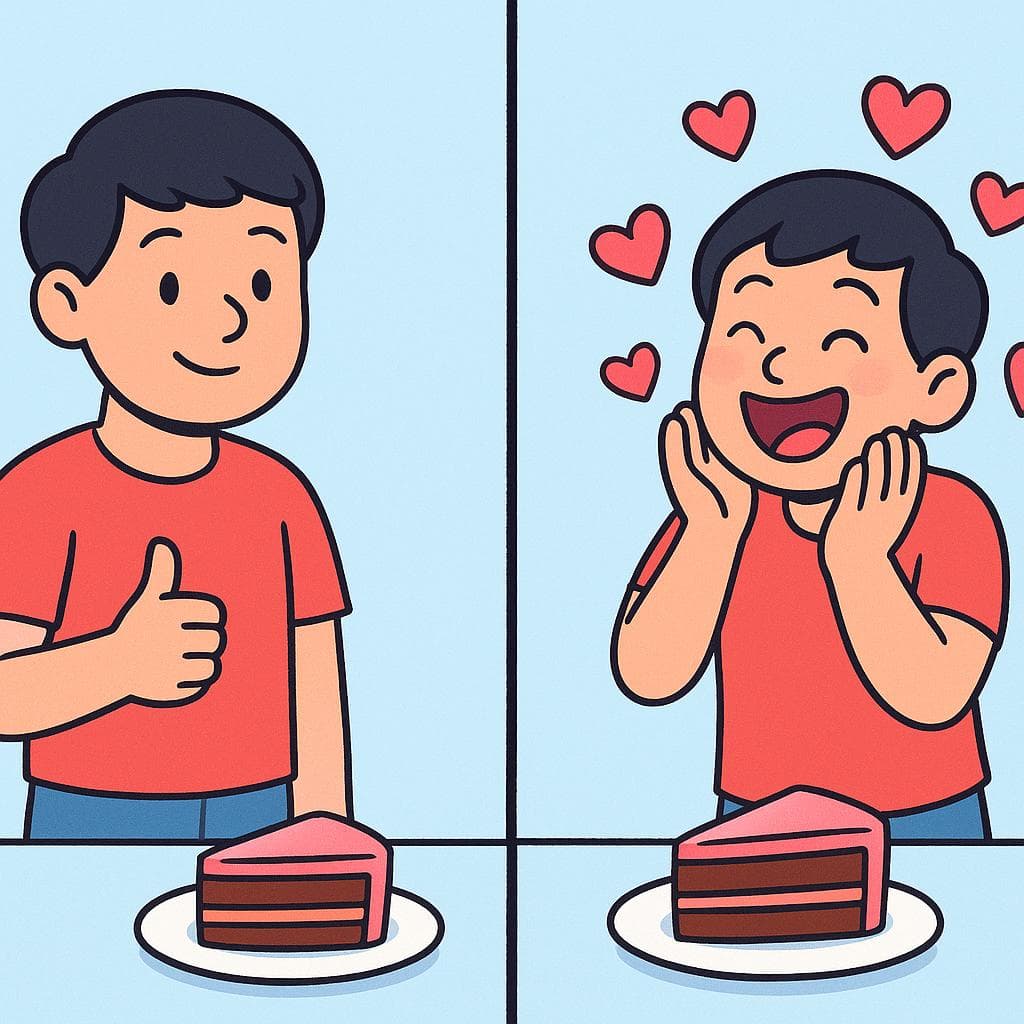
Gustar is for 'like,' encantar is for 'love' (for things, not people).
gustar
To like (something is pleasing to you)
goos-TARencantar
To love, to delight in (something is enchanting to you)
en-kahn-TARQuick Rule
Gustar is for 'like,' encantar is for 'love' (for things, not people).
Think: Gustar = good, Encantar = enchanting.
- The sentence structure is 'backward' from English: 'Me gusta el libro' literally means 'The book is pleasing to me'.
- Do not use 'encantar' for romantic love. Use 'querer' or 'amar' instead.
Comparison Table
| Context | gustar | encantar | Why? |
|---|---|---|---|
| Food | Me gusta la paella. | ¡Me encanta la paella! | Gustar shows a preference. Encantar shows passion and strong enjoyment. |
| Activities | Le gusta leer. | Le encanta leer. | Gustar means it's a pleasant hobby. Encantar means it's a true passion. |
| Music | ¿Te gusta esta canción? | ¡Sí, me encanta! | Gustar is a standard question about preference. Encantar is an enthusiastic, positive response. |
| Plural Items | Me gustan tus zapatos. | ¡Me encantan tus zapatos! | Both verbs change for plural items. The difference is intensity: 'They're nice' vs 'They're amazing!' |
When to Use "gustar / encantar"
gustar
To like (something is pleasing to you)
goos-TAR
Expressing general likes
Me gusta el café.
I like coffee.
Liking activities
Nos gusta caminar por la playa.
We like to walk on the beach.
Liking plural things (use 'gustan')
¿Te gustan los perros?
Do you like dogs?
encantar
To love, to delight in (something is enchanting to you)
en-kahn-TAR
Expressing strong likes/love for things
Me encanta el chocolate.
I love chocolate.
Loving activities
A ella le encanta bailar salsa.
She loves to dance salsa.
Loving plural things (use 'encantan')
Me encantan los días de lluvia.
I love rainy days.
Contrast Examples
With "gustar":
Me gustó la película.
I liked the movie.
With "encantar":
¡Me encantó la película!
I loved the movie!
The Difference: Gustar expresses a positive but standard opinion. Encantar shows real enthusiasm and that you were delighted by it.
With "gustar":
Me gusta Madrid.
I like Madrid.
With "encantar":
Me encanta Madrid.
I love Madrid.
The Difference: Use gustar if you think the city is nice and you enjoy it. Use encantar if you're passionate about it and would highly recommend it to everyone.
With "gustar":
Gracias, me gusta mucho.
Thanks, I like it a lot.
With "encantar":
¡Gracias, me encanta!
Thanks, I love it!
The Difference: Both are polite, but 'encanta' shows genuine excitement and is a stronger compliment to the person who gave the gift.
Common Mistakes
Yo gusto la música.
Me gusta la música.
These verbs work 'backwards'. The music is 'pleasing to me'. Always use 'me', 'te', 'le', 'nos', 'os', 'les'.
Te encanto.
Te quiero / Te amo.
To say 'I love you' romantically, use 'te quiero' or 'te amo'. 'Te encanto' means 'You find me enchanting' or 'You're delighted by me', which is very different!
Quick Practice
Quick Quiz: Gustar vs Encantar
Question 1 of 3
If you are absolutely passionate about pizza, what would you say?
Related Grammar
Want to understand the grammar behind this pair? Explore these lessons for a deep dive:
Key Words


Tags
Build the instinct, not just the rule
Rules help you get it right; context makes it automatic. Read 200+ illustrated and narrated Spanish stories to see confusing pairs chosen correctly — over and over — until you stop thinking about it.
Frequently Asked Questions
Why do gustar and encantar use 'me', 'te', 'le' instead of 'yo', 'tú', 'él'?
Because the sentence structure is different from English. Instead of 'I like coffee', the Spanish idea is 'Coffee is pleasing to me'. That 'to me' is what 'me' represents. The coffee is the subject, and you are the indirect object.
Are there other verbs that work like gustar and encantar?
Yes, lots! This is a common structure in Spanish. Other examples include 'doler' (to hurt), 'interesar' (to interest), 'importar' (to matter), and 'fascinar' (to fascinate). They all follow the same 'backward' pattern.
Can I ever use 'encantar' with a person?
Yes, but be careful. You can say 'Me encanta tu hermano' to mean 'I love your brother' in a platonic, 'he's a great guy' way. However, it can also mean you find him charming or attractive, so context is key. It's not used for deep, romantic love like 'amar'.