
Indicative vs Subjunctive after como
Como + Indicative = THE WAY things ARE. Como + Subjunctive = THE WAY you WANT things to be.
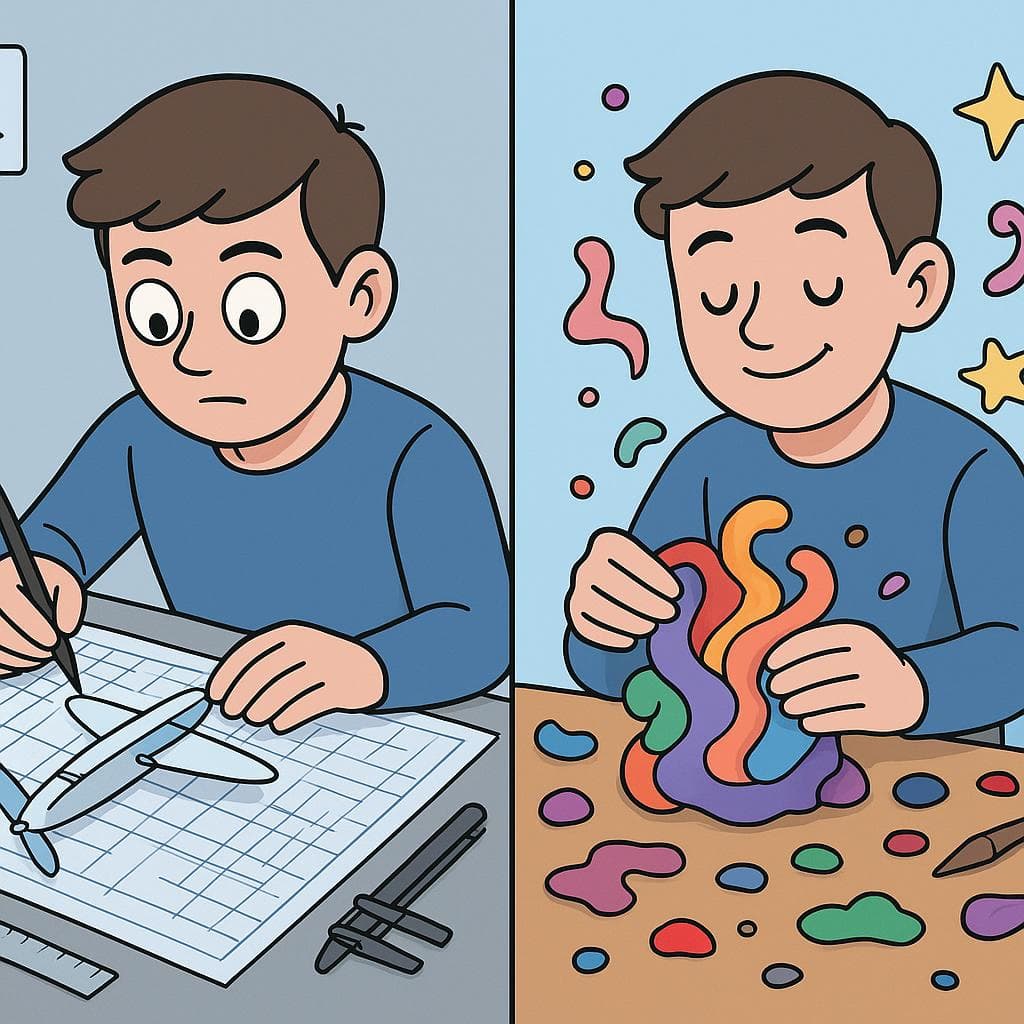
indicative after como
Use the Indicative after 'como' when talking about facts, reality, or the known way something is or was done.
een-dee-kah-TEE-bohsubjunctive after como
Use the Subjunctive after 'como' when giving a command, or describing a desired, hypothetical, or unknown way of doing something.
soob-hoon-TEE-bohQuick Rule
Como + Indicative = THE WAY things ARE. Como + Subjunctive = THE WAY you WANT things to be.
Think: Indicative is for 'is' (reality). Subjunctive is for 'should be' (desire/command).
- When 'como' means 'since' or 'because', it always uses the indicative. (Como no llegaste, empezamos sin ti.)
- The phrase 'como si' (as if) always uses the past subjunctive. (Habla como si supiera todo.)
Comparison Table
| Context | indicative after como | subjunctive after como | Why? |
|---|---|---|---|
| Giving instructions | Lo preparó como decía la receta. | Prepáralo como diga la receta. | Indicative reports a past fact. Subjunctive gives a future command. |
| Describing a manner | Viste como se viste un abogado. | Vístete como se vista un abogado. | Indicative describes a known reality. Subjunctive expresses a requirement or suggestion. |
| Referring to something | Compré el libro como me recomendaste. | Compra el libro como puedas. | Indicative refers to a specific recommendation (a fact). Subjunctive refers to any possible way ('however you can'). |
When to Use "indicative after como / subjunctive after como"
indicative after como
Use the Indicative after 'como' when talking about facts, reality, or the known way something is or was done.
KOH-moh een-dee-kah-TEE-boh
Describing the way something is/was (a fact)
Lo hice como me dijiste.
I did it the way you told me.
Making a comparison to a known reality
Ella canta como cantan los ángeles.
She sings like angels sing.
When 'como' means 'since' or 'because'
Como no estudiaste, no aprobaste.
Since you didn't study, you didn't pass.
subjunctive after como
Use the Subjunctive after 'como' when giving a command, or describing a desired, hypothetical, or unknown way of doing something.
KOH-moh soob-hoon-TEE-boh
Giving a command or instruction
Hazlo como yo te diga.
Do it how I tell you to.
Describing a desired or non-specific manner ('however')
Puedes vestirte como quieras.
You can dress however you want.
In the fixed phrase 'como si' (as if)
Gasta dinero como si fuera millonario.
He spends money as if he were a millionaire.
Contrast Examples
With "indicative after como":
Lo cociné como decía el video.
I cooked it the way the video said.
With "subjunctive after como":
Cocínalo como diga el video.
Cook it the way the video says.
The Difference: Indicative ('decía') is used to report what you actually did, based on a known fact. Subjunctive ('diga') is used to give an order for someone else to follow.
With "indicative after como":
Puse la mesa como estaba antes.
I set the table as it was before.
With "subjunctive after como":
Pon la mesa como tú quieras.
Set the table however you want.
The Difference: Indicative ('estaba') refers to a specific, real model from the past. Subjunctive ('quieras') leaves the method open to personal choice or desire.
With "indicative after como":
Él se comporta como es: un niño.
He behaves as he is: a child.
With "subjunctive after como":
¡Que se comporte como deba!
He should behave as he ought to!
The Difference: Indicative ('es') states a fact about his nature. Subjunctive ('deba') expresses a wish or demand for how he *should* behave, which is not necessarily the reality.
Common Mistakes
¡Hazlo como yo te digo!
¡Hazlo como yo te diga!
When giving a command about how something should be done, the manner is a requirement, not a fact. Use the subjunctive.
Actúa como si no pasa nada.
Actúa como si no pasara nada.
The phrase 'como si' (as if) describes a hypothetical, unreal situation. It's a special rule that always requires the past subjunctive.
Quick Practice
Quick Quiz: Indicative vs Subjunctive after como
Question 1 of 3
Choose the correct verb: 'Voy a decorar la casa como me ___ mi madre.' (I'm going to decorate the house as my mother told me.)
Related Grammar
Want to understand the grammar behind this pair? Explore these lessons for a deep dive:
Key Words

Tags
Build the instinct, not just the rule
Rules help you get it right; context makes it automatic. Read 200+ illustrated and narrated Spanish stories to see confusing pairs chosen correctly — over and over — until you stop thinking about it.
Frequently Asked Questions
So if I'm giving an order with 'como', I always use the subjunctive?
Yes, exactly. If you're telling someone *how* to do something, you're expressing your will or desire for how the action should be performed. That's a classic trigger for the subjunctive. For example, 'Hazlo como te diga' (Do it as I tell you).
Does this apply to other words besides 'como'?
Absolutely. This concept of 'reality vs. desire/uncertainty' is the core of the indicative vs. subjunctive distinction in Spanish. You'll see the same pattern with words like 'cuando' (when), 'aunque' (even if), 'donde' (where), and in many other grammatical structures.
Is 'como si' the only time I have to use the past subjunctive?
No, but it's one of the most common and reliable triggers. The past subjunctive is used in many 'if' clauses (si clauses) and to express desires, doubts, or opinions about things that happened in the past. But for the word 'como', 'como si' is the main structure where you'll see it.