
Infinitive vs Que + Subjunctive
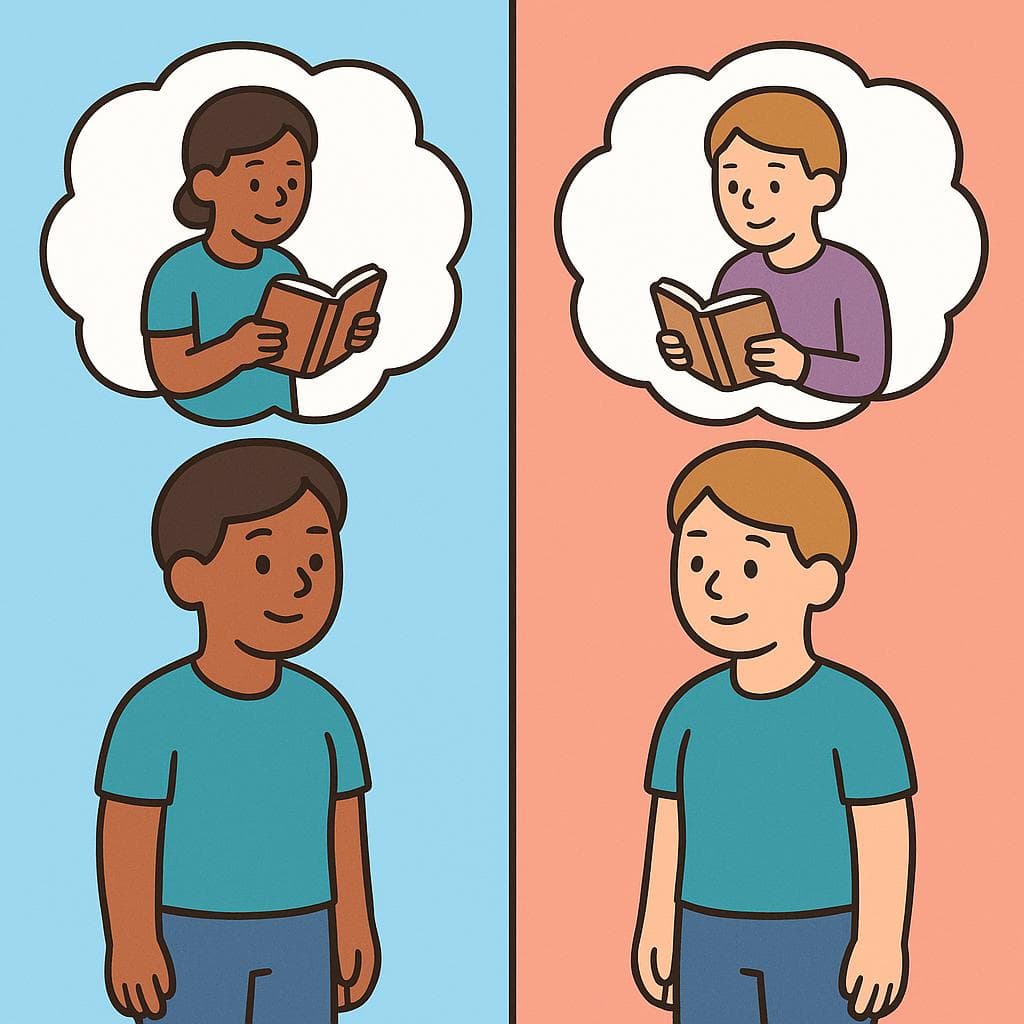
Same subject? Use the infinitive. Different subjects? Use 'que' + subjunctive.
infinitive
Use the infinitive (the basic 'to do' form of a verb like 'hablar', 'comer', 'vivir') when the person doing the first action is the SAME person doing the second.
een-fee-nee-TEE-vohque + subjunctive
Use 'que' followed by a verb in the subjunctive mood when the person doing the first action is DIFFERENT from the person doing the second.
KEH soob-hoon-TEE-vohQuick Rule
Same subject? Use the infinitive. Different subjects? Use 'que' + subjunctive.
Think: One subject = one main verb (infinitive). Two subjects = two conjugated verbs (main verb + subjunctive).
- With impersonal expressions like 'Es importante...', use the infinitive for a general statement ('Es importante estudiar') and 'que + subjunctive' for a specific person ('Es importante que tú estudies').
Comparison Table
| Context | infinitive | que + subjunctive | Why? |
|---|---|---|---|
| Expressing Desire | Espero viajar a Perú. | Espero que viajes a Perú. | Infinitive: I hope to travel (I am the one traveling). Subjunctive: I hope that YOU travel. |
| Giving Advice | Te sugiero tomar un descanso. | Te sugiero que tomes un descanso. | Both are correct. The infinitive is slightly more general, while 'que + subjunctive' is a more direct recommendation to a specific person. |
| Expressing Emotion | Siento no poder ir a la fiesta. | Siento que no puedas ir a la fiesta. | Infinitive: I'm sorry that I can't go. Subjunctive: I'm sorry that YOU can't go. |
| Impersonal Statements | Es bueno comer verduras. | Es bueno que comas verduras. | Infinitive: General truth (It's good to eat vegetables). Subjunctive: Specific advice (It's good that YOU eat vegetables). |
When to Use "infinitive / que + subjunctive"
infinitive
Use the infinitive (the basic 'to do' form of a verb like 'hablar', 'comer', 'vivir') when the person doing the first action is the SAME person doing the second.
een-fee-nee-TEE-voh
Expressing what YOU want/hope/need to do
Quiero aprender español.
I want to learn Spanish.
Expressing how YOU feel about doing something
Me alegro de estar aquí.
I'm happy to be here.
Making a general statement with an impersonal expression
Es necesario practicar todos los días.
It's necessary to practice every day.
que + subjunctive
Use 'que' followed by a verb in the subjunctive mood when the person doing the first action is DIFFERENT from the person doing the second.
KEH soob-hoon-TEE-voh
Expressing what you want/hope/need SOMEONE ELSE to do
Quiero que aprendas español.
I want you to learn Spanish.
Expressing how you feel about SOMEONE ELSE's action
Me alegro de que estés aquí.
I'm happy that you are here.
Making a specific statement with an impersonal expression
Es necesario que practiques todos los días.
It's necessary that you practice every day.
Contrast Examples
With "infinitive":
Quiero salir esta noche.
I want to go out tonight.
With "que + subjunctive":
Quiero que salgas esta noche.
I want you to go out tonight.
The Difference: The infinitive ('salir') shows the subject's desire for their own action. 'Que + subjunctive' ('que salgas') shows the subject's desire for someone else's action.
With "infinitive":
Es importante ser honesto.
It's important to be honest. (A general truth)
With "que + subjunctive":
Es importante que seas honesto.
It's important that you be honest. (Directed at you)
The Difference: The infinitive makes a general, philosophical statement. 'Que + subjunctive' applies that statement directly to a specific person.
With "infinitive":
Lamento llegar tarde.
I regret arriving late. (I am the one who arrived late.)
With "que + subjunctive":
Lamento que llegues tarde.
I'm sorry that you are arriving late. (You are the one arriving late.)
The Difference: This shows whose action is being regretted. The infinitive is for your own actions; the subjunctive is for someone else's.
Common Mistakes
Quiero que yo vaya al cine.
Quiero ir al cine.
The subject is the same ('I' want and 'I' go), so you must use the infinitive. Don't use the subjunctive for yourself in this structure.
Mi madre prefiere yo estudiar más.
Mi madre prefiere que yo estudie más.
There are two different subjects ('my mother' prefers, 'I' study). You need 'que' plus the subjunctive verb.
Es urgente que llamar a un médico.
Es urgente llamar a un médico. / Es urgente que llames a un médico.
If it's a general statement, use the infinitive. If you're telling a specific person to do it, use 'que + subjunctive'.
Quick Practice
Quick Quiz: Infinitive vs Que + Subjunctive
Question 1 of 3
Choose the correct form: 'Yo necesito ________ (comprar) pan.'
Related Grammar
Want to understand the grammar behind this pair? Explore these lessons for a deep dive:
Key Words


Tags
Build the instinct, not just the rule
Rules help you get it right; context makes it automatic. Read 200+ illustrated and narrated Spanish stories to see confusing pairs chosen correctly — over and over — until you stop thinking about it.
Frequently Asked Questions
Why can't I just say 'Quiero que yo voy'? It seems simpler.
It's a great question because it seems logical! But in Spanish, the rule is very strict: if the subject doesn't change, you must switch to the simpler infinitive structure ('Quiero ir'). Think of it as a shortcut; Spanish combines the two ideas into one verb phrase when the actor is the same.
Does this rule apply to all verbs?
This 'same subject vs. different subject' rule is most important for verbs of will, influence, emotion, and doubt (WEIRDO verbs). Verbs of perception like 'ver' (to see) or 'oír' (to hear) can sometimes use an infinitive with a different subject (e.g., 'Te vi salir' - I saw you leave), but that's a different grammatical structure. For the verbs that trigger the subjunctive, this rule is your best guide.