
Se Impersonal vs Se Reflexivo
Reflexivo = subject does it to themselves. Impersonal = 'they', 'one', or 'people' do it.
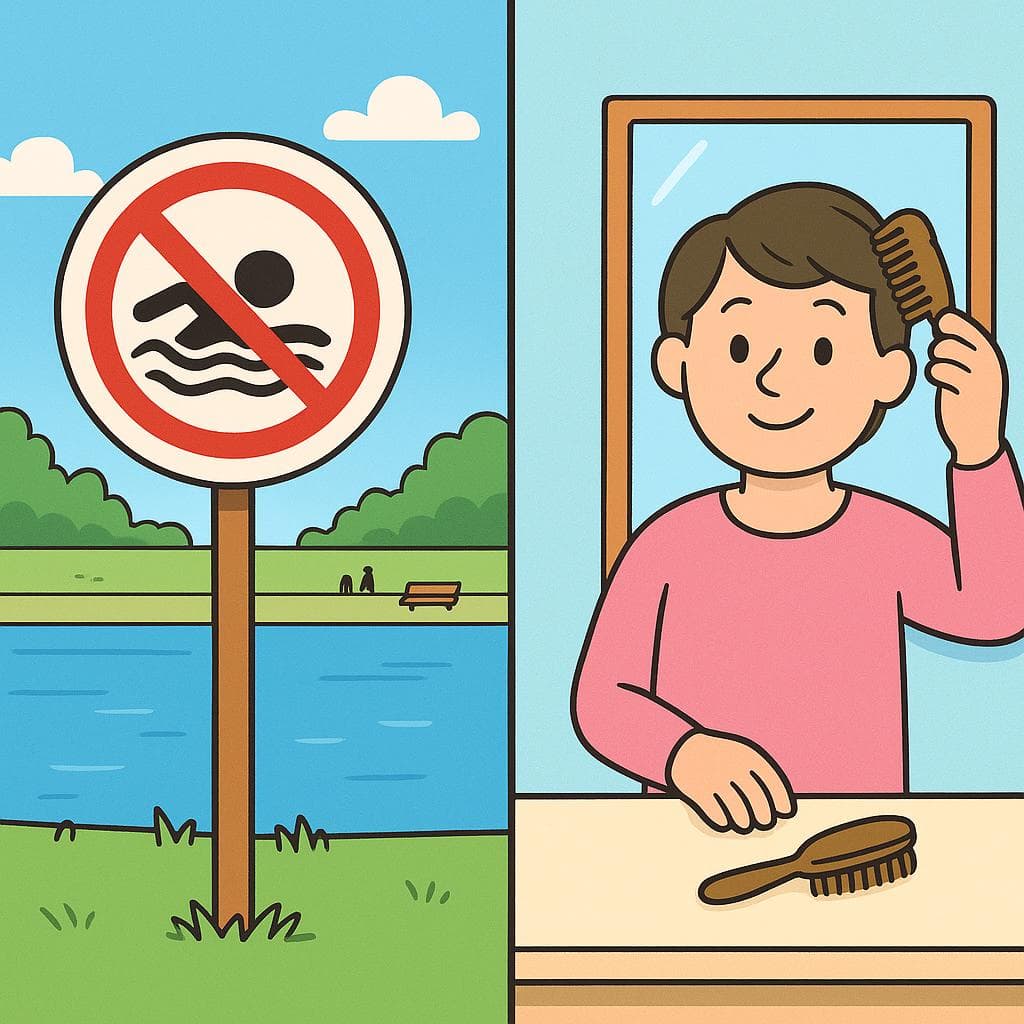
se impersonal
Used to make general statements about what 'one' does, 'people' do, or 'you' do in a general sense. The person doing the action is unknown or unimportant.
SEH eem-pehr-soh-NAHLse reflexivo
Used when the subject of the verb performs the action on itself. The action 'reflects' back onto the person doing it.
SEH rreh-fleh-HEE-bohQuick Rule
Reflexivo = subject does it to themselves. Impersonal = 'they', 'one', or 'people' do it.
Reflexivo = Reflection (action bounces back to you). Impersonal = People (action is about people in general).
- A similar structure, the passive 'se', is used for 'things are done', where the verb agrees with the object: 'Se venden casas' (Houses are sold).
Comparison Table
| Context | se impersonal | se reflexivo | Why? |
|---|---|---|---|
| Who is the subject? | Se habla español aquí. | Ella se habla a sí misma. | Impersonal: The subject is a generic 'one' or 'people'. Reflexive: The subject is specific ('ella') and does the action to herself. |
| Seeing something | Se ve la luna desde mi ventana. | El gato se ve en el espejo. | Impersonal: Describes what is generally visible ('the moon can be seen'). Reflexive: Describes a specific subject seeing its own reflection. |
| Eating | En Italia se come muy bien. | Mi hermano se comió toda la tarta. | Impersonal: Describes a general custom or experience ('one eats well'). Reflexive: Emphasizes that a specific person ate everything up. |
| A general rule vs. a personal action | No se debe correr en la piscina. | El niño se cayó en la piscina. | Impersonal: States a rule for everyone. Reflexive: Describes something that happened to a specific person. |
When to Use "se impersonal / se reflexivo"
se impersonal
Used to make general statements about what 'one' does, 'people' do, or 'you' do in a general sense. The person doing the action is unknown or unimportant.
SEH eem-pehr-soh-NAHL
General statements & customs
En España se cena muy tarde.
In Spain, people have dinner very late.
Signs & rules
Se prohíbe nadar.
Swimming is prohibited.
Asking how things are done
¿Cómo se dice 'apple' en español?
How do you say 'apple' in Spanish?
General observations
Se vive muy bien en esta ciudad.
One lives very well in this city.
se reflexivo
Used when the subject of the verb performs the action on itself. The action 'reflects' back onto the person doing it.
SEH rreh-fleh-HEE-boh
Daily routines (actions to oneself)
Ella se levanta a las siete.
She gets up at seven.
Personal grooming
El niño se lava las manos.
The boy washes his hands.
Feelings & changes in state
Él se siente feliz hoy.
He feels happy today.
Reciprocal actions ('each other')
Los amigos se abrazan.
The friends hug each other.
Contrast Examples
With "se impersonal":
Desde la montaña, se ve toda la ciudad.
From the mountain, you can see the whole city.
With "se reflexivo":
Ella se ve cansada en el espejo.
She sees herself looking tired in the mirror.
The Difference: Impersonal 'se' describes what is generally visible to anyone. Reflexive 'se' describes a specific person looking at their own reflection.
With "se impersonal":
Se dice que va a nevar mañana.
They say it's going to snow tomorrow.
With "se reflexivo":
Él se dice a sí mismo que no tenga miedo.
He tells himself not to be afraid.
The Difference: Impersonal 'se' is used for rumors or common knowledge ('it is said'). Reflexive 'se' is for when a person is literally talking to themselves.
With "se impersonal":
Se necesita un voluntario.
A volunteer is needed.
With "se reflexivo":
Ella se siente sola.
She feels lonely.
The Difference: This shows how a verb can be impersonal but not reflexive. 'Se necesita' is a general need. For personal feelings, you use a reflexive verb like 'sentirse'.
Common Mistakes
Me prohíbe fumar.
Se prohíbe fumar.
Rules on signs are general, for 'everyone'. Use the impersonal 'se'. 'Me prohíbe' would mean 'He/She prohibits me from smoking'.
En mi país, nos levantamos tarde.
En mi país, la gente se levanta tarde. / En mi país, se levantan tarde.
To talk about a general custom of 'people', use the impersonal 'se'. 'Nos levantamos' just means 'we get up', which might only refer to your family.
El niño se lava por su mamá.
La mamá lava al niño.
Reflexive 'se lava' means he washes himself. If his mom is doing the washing, it's not reflexive anymore.
Quick Practice
Quick Quiz: Se Impersonal vs Se Reflexivo
Question 1 of 3
Which sentence means 'People speak Spanish in Argentina'?
Related Grammar
Want to understand the grammar behind this pair? Explore these lessons for a deep dive:
Key Words

Tags
Build the instinct, not just the rule
Rules help you get it right; context makes it automatic. Read 200+ illustrated and narrated Spanish stories to see confusing pairs chosen correctly — over and over — until you stop thinking about it.
Frequently Asked Questions
What's the difference between impersonal 'se' and passive 'se'?
They look almost identical! The quick trick is to look at the noun. Impersonal 'se' is for general actions and always uses a singular verb ('Se vive bien'). Passive 'se' is for when an object has something done to it, and the verb must agree with that object ('Se vende un coche' vs. 'Se venden coches').
Can 'se' mean 'each other'?
Yes, absolutely! This is called the 'reciprocal' use, which is a type of reflexive structure. When the subject is plural (ellos, nosotros, ustedes), 'se' or 'nos' can mean that the action is done to each other. For example, 'Ellos se escriben cartas' means 'They write letters to each other'.