
Simpático vs Amable
Simpático is about personality (likable). Amable is about actions (kind).
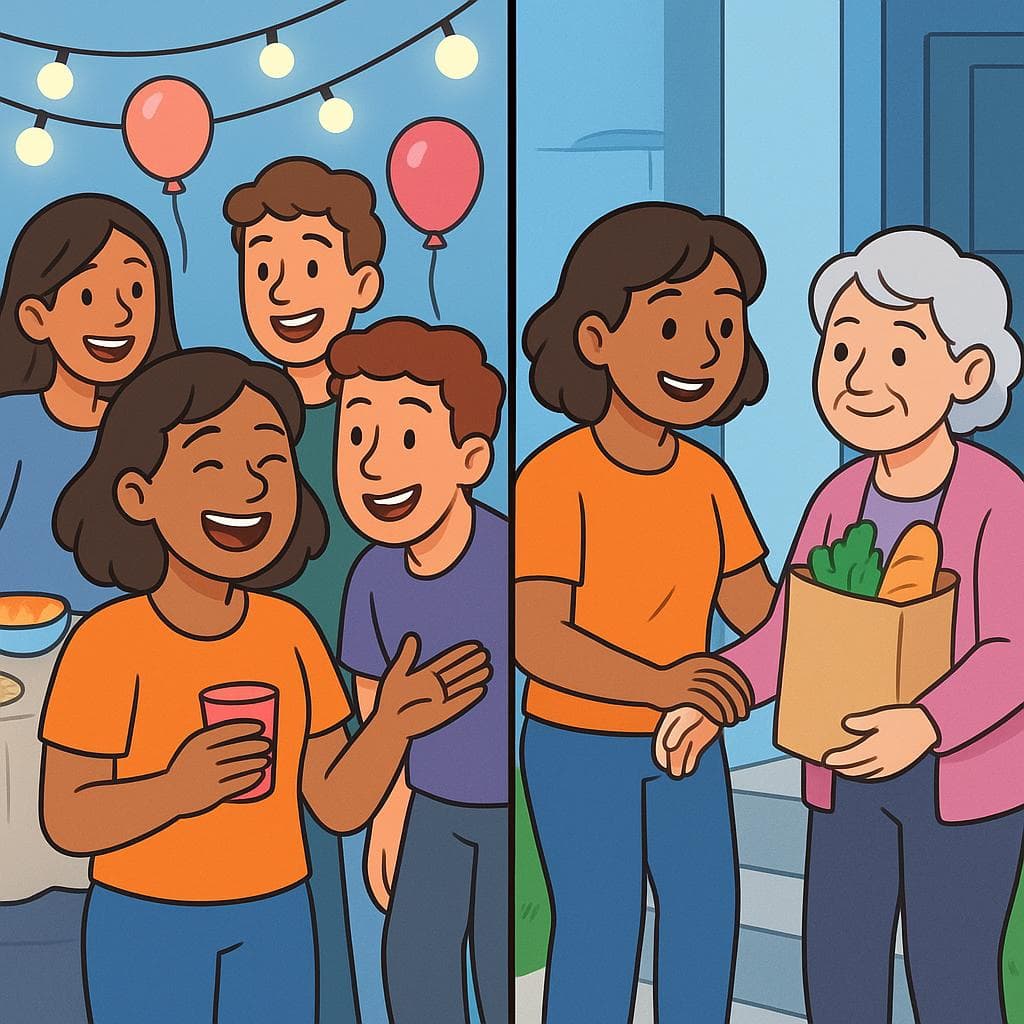
simpático
Describes a person's inherent personality as being pleasant, likable, friendly, or charming. It's about their character.
seem-PAH-tee-kohamable
Describes a person's actions or behavior as being kind, polite, or courteous. It’s about how they treat others.
ah-MAH-blehQuick Rule
Simpático is about personality (likable). Amable is about actions (kind).
Simpático is your VIBE. Amable is your BEHAVIOR.
- Someone can be one without the other. A polite but cold person can be 'amable' but not 'simpático'.
Comparison Table
| Context | simpático | amable | Why? |
|---|---|---|---|
| First Impression vs. Specific Action | Tu jefe parece simpático. | Tu jefe fue muy amable conmigo. | 'Simpático' describes his general personality. 'Amable' describes a specific kind action he did. |
| Character vs. Courtesy | No es muy simpático, es algo serio. | Siempre es amable con los clientes. | You can be polite ('amable') as a rule, even if your personality isn't naturally warm or friendly ('simpático'). |
| Thanking Someone | ¡Qué simpático eres! | ¡Qué amable de tu parte! | While both can be used, 'amable' is more common for thanking someone for a specific act of kindness. |
When to Use "simpático / amable"
simpático
Describes a person's inherent personality as being pleasant, likable, friendly, or charming. It's about their character.
seem-PAH-tee-koh
Describing personality
Tu amigo es muy simpático.
Your friend is very nice/likable.
General likability
Es una persona muy simpática, todo el mundo la quiere.
She's a very likable person, everyone loves her.
Giving a first impression
El nuevo profesor me parece muy simpático.
The new teacher seems very nice to me.
amable
Describes a person's actions or behavior as being kind, polite, or courteous. It’s about how they treat others.
ah-MAH-bleh
Describing kind actions
Gracias por tu ayuda, fuiste muy amable.
Thanks for your help, you were very kind.
Politeness and courtesy
El camarero fue muy amable y atento.
The waiter was very kind and attentive.
Making a polite request
¿Sería tan amable de cerrar la ventana?
Would you be so kind as to close the window?
Contrast Examples
With "simpático":
Mi colega es simpático, siempre cuenta chistes.
My colleague is likable, he always tells jokes.
With "amable":
Mi colega es amable, siempre me sujeta la puerta.
My colleague is kind, he always holds the door for me.
The Difference: 'Simpático' describes his fun personality (his vibe). 'Amable' describes his courteous actions (his behavior).
With "simpático":
No es muy simpático, es muy callado y serio.
He's not very likable, he's very quiet and serious.
With "amable":
Aunque no es simpático, siempre es amable y responde con educación.
Although he's not likable, he's always kind and answers politely.
The Difference: This is the perfect example of how someone can be one without the other. Their personality is cold ('no simpático'), but their actions are polite ('amable').
With "simpático":
¡Qué simpáticos son tus hijos! Me hicieron reír mucho.
Your kids are so charming! They made me laugh a lot.
With "amable":
Tus hijos fueron muy amables con mi madre ayer.
Your kids were very kind to my mother yesterday.
The Difference: 'Simpático' is a general compliment about their charming personalities. 'Amable' refers to a specific instance of polite, kind behavior.
Common Mistakes
Gracias por el regalo, eres muy simpático.
Gracias por el regalo, eres muy amable.
When thanking someone for a specific kind act or gift, 'amable' is the more natural choice because it focuses on the action, not the person's entire personality.
El recepcionista me ayudó, fue muy simpático.
El recepcionista me ayudó, fue muy amable.
Helping you is a kind action. While the receptionist might also be a likable person, 'amable' specifically describes their helpful and courteous behavior in that moment.
Quick Practice
Quick Quiz: Simpático vs Amable
Question 1 of 2
A stranger holds the door open for you. What do you say?
Related Grammar
Want to understand the grammar behind this pair? Explore these lessons for a deep dive:
Key Words


Tags
Build the instinct, not just the rule
Rules help you get it right; context makes it automatic. Read 200+ illustrated and narrated Spanish stories to see confusing pairs chosen correctly — over and over — until you stop thinking about it.
Frequently Asked Questions
Can I use 'simpático' to mean 'sympathetic' in English?
No, this is a very common false friend! 'Simpático' means nice or likable. The Spanish word for 'sympathetic' (as in feeling sorry for someone) is 'compasivo'.
Is it rude to say someone is 'no simpático'?
It can be, yes. It's a direct comment on their personality, implying they are not likable or are unfriendly. It's more direct than saying someone wasn't 'amable', which just comments on their actions in a specific situation.