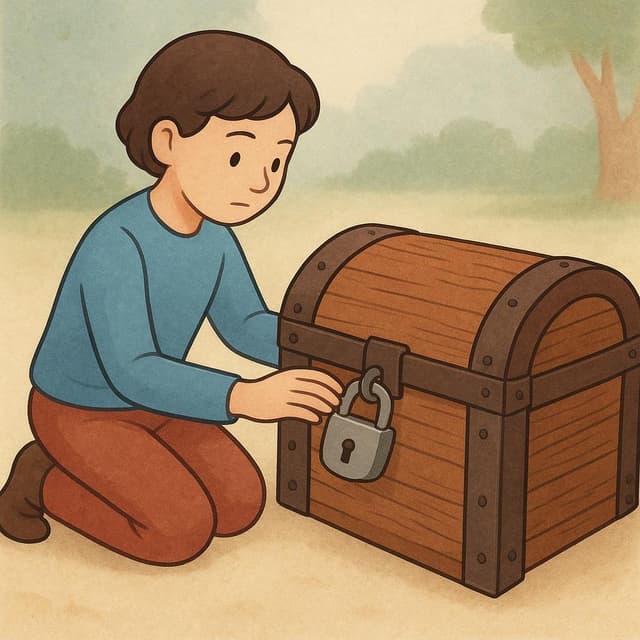
asegurarse Affirmative Imperative Conjugation
asegurarse — to make sure
Asegúrate commands action directly: ¡Asegúrate!, ¡Asegurémonos!, ¡Asegúrense!
asegurarse Affirmative Imperative Forms
When to Use the Affirmative Imperative
Use the imperative to give direct commands or make strong suggestions to someone. For 'asegurarse', it's about telling someone to 'make sure' or 'check' something. For example, telling a friend to double-check their keys before leaving.
Notes on asegurarse in the Affirmative Imperative
Asegurarse is regular in the imperative, but remember the reflexive pronoun attaches to the end of affirmative commands (asegúrate, aseguremos, asegúrense). Also, note the spelling change in the 'tú' form (asegura -> asegúrate) and the accent shift in 'nosotros' (aseguramos -> asegurémonos) to maintain stress.
Example Sentences
¡Asegúrate de que la puerta esté cerrada!
Make sure the door is closed!
tú
Antes de salir, ¡aseguraos de llevar todo!
Before leaving, make sure you bring everything!
vosotros
Señores, ¡asegúrense de que sus móviles estén en silencio!
Gentlemen, make sure your phones are on silent!
ustedes
¡Asegurémonos de que todo está listo para la fiesta!
Let's make sure everything is ready for the party!
nosotros
Common Mistakes
Mistake: Forgetting the reflexive pronoun: 'Asegura que...'
Correct: Asegúrate de que...
Why: Asegurarse is a reflexive verb, meaning 'to make sure *oneself*'. The pronoun 'te' (or 'se', 'nos', etc.) is essential.
Mistake: Incorrect pronoun placement: 'Te asegúrate de...'
Correct: Asegúrate de...
Why: With affirmative commands, the reflexive pronoun attaches to the end of the verb.
Master Spanish verbs in context
Memorizing tables only gets you so far. Read 200+ illustrated and narrated Spanish stories to see verbs like 'asegurarse' used naturally — in the tenses you're learning.
Related Tenses
Present
yo: me aseguro
Now, habits, truths: me aseguro, te aseguras, se asegura.
Preterite
yo: me aseguré
Completed past actions: me aseguré, te aseguraste, se aseguró.
Imperfect
yo: me aseguraba
Past ongoing/habitual actions: me aseguraba, te asegurabas, se aseguraba.
Future
yo: me aseguraré
Future actions and probability: me aseguraré, te asegurarás, se asegurará.
Conditional
yo: me aseguraría
Hypotheticals, polite requests: me aseguraría, te asegurarías, se aseguraría.
Present Subjunctive
yo: me asegure
Expressing doubt, wishes, emotions: me asegure, te asegures, se asegure.
Imperfect Subjunctive
yo: me asegurara
Past hypotheticals and wishes: me asegurara, te aseguraras, se asegurara.
Negative Imperative
yo: no te asegures
Don't do it!: No te asegures, no nos aseguremos, no se aseguren.