azotar Imperfect Conjugation
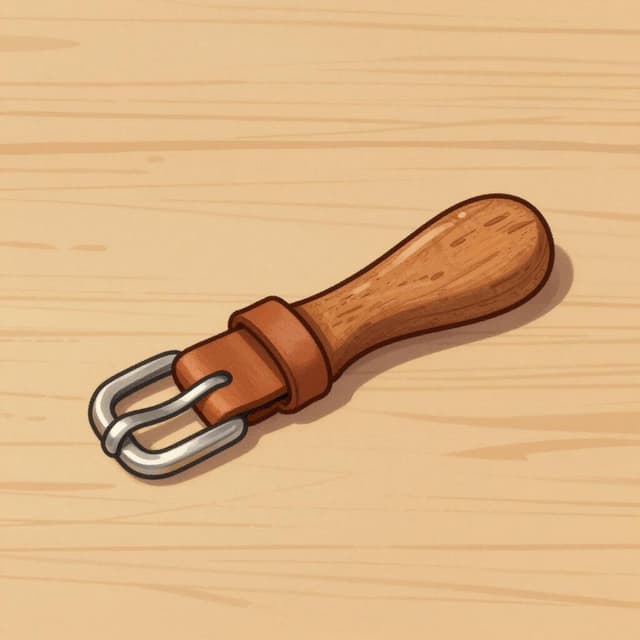
azotar — to whip
The imperfect of azotar (azotaba, azotabas, azotaba) describes ongoing or habitual past actions.
azotar Imperfect Forms
When to Use the Imperfect
Use the imperfect for background descriptions in the past ('The wind was whipping the trees'), habitual actions ('He used to whip the cream every morning'), or ongoing actions interrupted by another ('While I was whipping the eggs, the phone rang').
Notes on azotar in the Imperfect
Azotar is a regular -ar verb and conjugates as expected in the imperfect indicative.
Example Sentences
Yo azotaba la masa cuando sonó el teléfono.
I was whipping the batter when the phone rang.
yo
¿Tú azotabas al perro para que corriera?
Did you used to whip the dog so he would run?
tú
El viento azotaba las hojas secas por el patio.
The wind was whipping the dry leaves around the yard.
él/ella/usted
Ellos azotaban la arena con sus pies.
They were kicking up the sand with their feet.
ellos/ellas/ustedes
Common Mistakes
Mistake: Using the imperfect for a single completed action.
Correct: For 'The storm whipped the town last night,' use the preterite: 'La tormenta azotó el pueblo anoche.'
Why: The imperfect describes ongoing or habitual past actions, not specific, finished events.
Mistake: Confusing the imperfect 'azotaba' (yo) with the preterite 'azotó' (él/ella/usted).
Correct: Remember 'azotaba' is ongoing or habitual past, and 'azotó' is a completed action.
Why: These tenses serve different functions in describing past events.
Master Spanish verbs in context
Memorizing tables only gets you so far. Read 200+ illustrated and narrated Spanish stories to see verbs like 'azotar' used naturally — in the tenses you're learning.
Related Tenses
Present
yo: azoto
The present tense of azotar (azoto, azotas, azota) is used for current actions, habits, and general truths.
Preterite
yo: azoté
The preterite of azotar (azoté, azotaste, azotó) describes completed actions in the past, like whipping something once.
Future
yo: azotaré
The future tense of azotar (azotaré, azotarás, azotará) talks about actions that will happen.
Conditional
yo: azotaría
The conditional of azotar (azotaría, azotarías, azotaría) is used for hypotheticals ('would') and polite requests.
Present Subjunctive
yo: azote
The present subjunctive of azotar (azote, azotes, azoten) expresses wishes, doubts, or emotions.
Imperfect Subjunctive
yo: azotara
The imperfect subjunctive of azotar (e.g., azotara, azotaras) is used for hypothetical past situations.
Affirmative Imperative
yo: azota
Commands in the imperative mood for azotar include azota (tú) and azoten (ustedes).
Negative Imperative
yo: no azotes
Negative commands for azotar use the present subjunctive, like 'no azotes' (tú) and 'no azoten' (ustedes).