azotar Preterite Conjugation
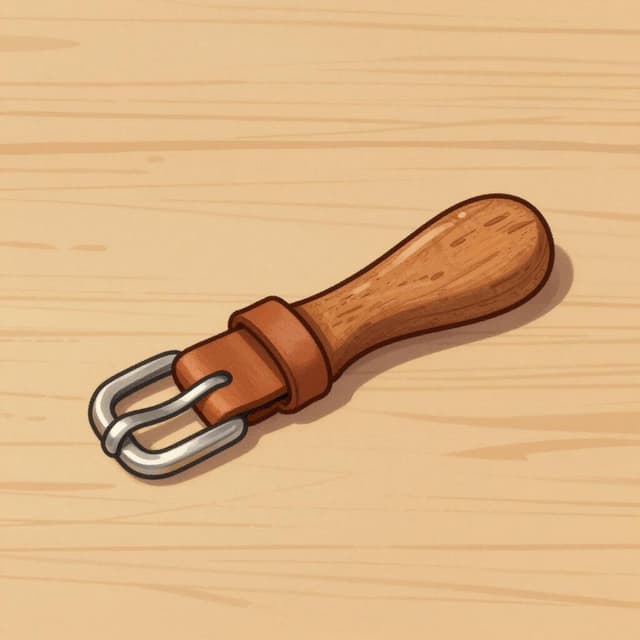
azotar — to whip
The preterite of azotar (azoté, azotaste, azotó) describes completed actions in the past, like whipping something once.
azotar Preterite Forms
When to Use the Preterite
Use the preterite for actions that started and finished in the past. For 'azotar,' this would be something like 'He whipped the eggs yesterday' or 'The storm whipped the coast last night.'
Notes on azotar in the Preterite
Azotar is a regular -ar verb and follows the standard conjugation pattern in the preterite.
Example Sentences
Yo azoté la puerta con fuerza.
I slammed the door hard.
yo
¿Tú azotaste el caballo?
Did you whip the horse?
tú
El viento azotó el pueblo entero.
The wind whipped the entire town.
él/ella/usted
Ellos azotaron la masa hasta que estuvo esponjosa.
They whipped the batter until it was fluffy.
ellos/ellas/ustedes
Common Mistakes
Mistake: Using the imperfect 'azotaba' instead of the preterite 'azotó' for a single, completed action.
Correct: For 'The storm whipped the town last night,' use 'El viento azotó,' not 'El viento azotaba.'
Why: The preterite marks a specific, finished event, while the imperfect describes ongoing or habitual past actions.
Mistake: Forgetting the accent on the yo form.
Correct: The correct form is 'azoté,' with an accent on the final 'é'.
Why: The accent distinguishes the preterite 'yo' form from other similar-looking forms and indicates the stressed syllable.
Master Spanish verbs in context
Memorizing tables only gets you so far. Read 200+ illustrated and narrated Spanish stories to see verbs like 'azotar' used naturally — in the tenses you're learning.
Related Tenses
Present
yo: azoto
The present tense of azotar (azoto, azotas, azota) is used for current actions, habits, and general truths.
Imperfect
yo: azotaba
The imperfect of azotar (azotaba, azotabas, azotaba) describes ongoing or habitual past actions.
Future
yo: azotaré
The future tense of azotar (azotaré, azotarás, azotará) talks about actions that will happen.
Conditional
yo: azotaría
The conditional of azotar (azotaría, azotarías, azotaría) is used for hypotheticals ('would') and polite requests.
Present Subjunctive
yo: azote
The present subjunctive of azotar (azote, azotes, azoten) expresses wishes, doubts, or emotions.
Imperfect Subjunctive
yo: azotara
The imperfect subjunctive of azotar (e.g., azotara, azotaras) is used for hypothetical past situations.
Affirmative Imperative
yo: azota
Commands in the imperative mood for azotar include azota (tú) and azoten (ustedes).
Negative Imperative
yo: no azotes
Negative commands for azotar use the present subjunctive, like 'no azotes' (tú) and 'no azoten' (ustedes).