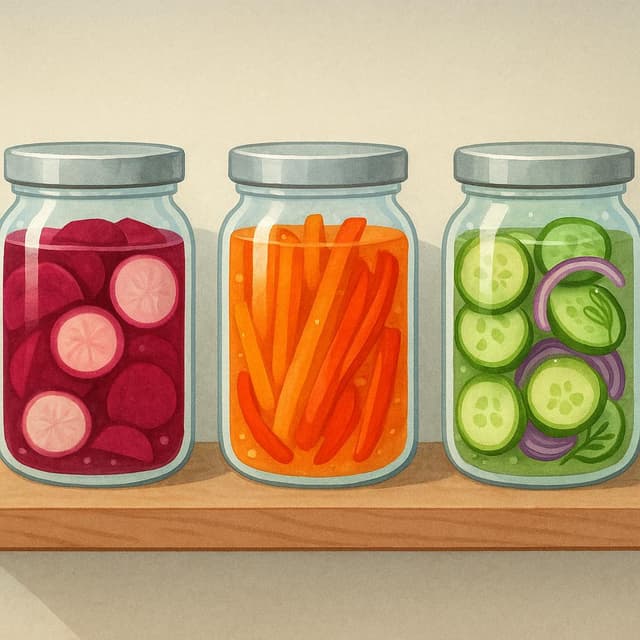
conservar Imperfect Conjugation
conservar — to preserve
Use 'conservaba' etc. for ongoing or habitual past actions and descriptions with 'conservar'.
conservar Imperfect Forms
When to Use the Imperfect
The imperfect tense describes actions that were happening continuously in the past, habitual actions, or sets the scene. For 'conservar', it's about how someone *used to* keep things or *was keeping* them over a period.
Notes on conservar in the Imperfect
Conservar is regular in the imperfect tense. The endings are added to the stem 'conservaba-'.
Example Sentences
Yo conservaba todas las cartas de mi abuela.
I used to keep all my grandmother's letters.
yo
¿Tú conservabas esa vieja colección?
Were you keeping that old collection?
tú
Él conservaba la calma en situaciones difíciles.
He maintained his calm in difficult situations.
él/ella/usted
Nosotros conservábamos los alimentos en la despensa.
We used to keep the food in the pantry.
nosotros
Ellos conservaban sus tradiciones con orgullo.
They used to preserve their traditions with pride.
ellos/ellas/ustedes
Common Mistakes
Mistake: Using the preterite ('conservó') instead of imperfect ('conservaba') for ongoing past actions.
Correct: Use 'conservaba' for actions that were happening over time or habitually.
Why: The imperfect describes the background or duration, while the preterite describes a completed event.
Mistake: Confusing the 'nosotros' form.
Correct: The 'nosotros' form is 'conservábamos'.
Why: Ensure the correct imperfect ending '-ábamos' is used.
Master Spanish verbs in context
Memorizing tables only gets you so far. Read 200+ illustrated and narrated Spanish stories to see verbs like 'conservar' used naturally — in the tenses you're learning.
Related Tenses
Present
yo: conservo
Use 'conservo', 'conservas', 'conserva', 'conservamos', 'conserváis', 'conservan' for present actions, habits, and truths with 'conservar'.
Preterite
yo: conservé
Use 'conservé', 'conservaste', 'conservó', 'conservamos', 'conservasteis', 'conservaron' for completed past actions with 'conservar'.
Future
yo: conservaré
Use 'conservaré', 'conservarás', 'conservará', etc. for future actions or probability with 'conservar'.
Conditional
yo: conservaría
Use 'conservaría', 'conservarías', 'conservaría', etc. for hypotheticals ('would keep') and polite requests with 'conservar'.
Present Subjunctive
yo: conserve
Use 'conserve', 'conservemos', 'conserven' etc. for wishes, doubts, emotions, and uncertainty with 'conservar'.
Imperfect Subjunctive
yo: conservara
Use 'conservara' or 'conservase' (and variants) for past hypothetical or uncertain situations with 'conservar'.
Affirmative Imperative
yo: conserva
Use 'conserva', 'conserve', 'conservemos', 'conservad', 'conserven' for direct commands with 'conservar'.
Negative Imperative
yo: no conserves
Use 'no conserves', 'no conserve', 'no conservemos', 'no conservéis', 'no conserven' for negative commands with 'conservar'.