conservar Preterite Conjugation
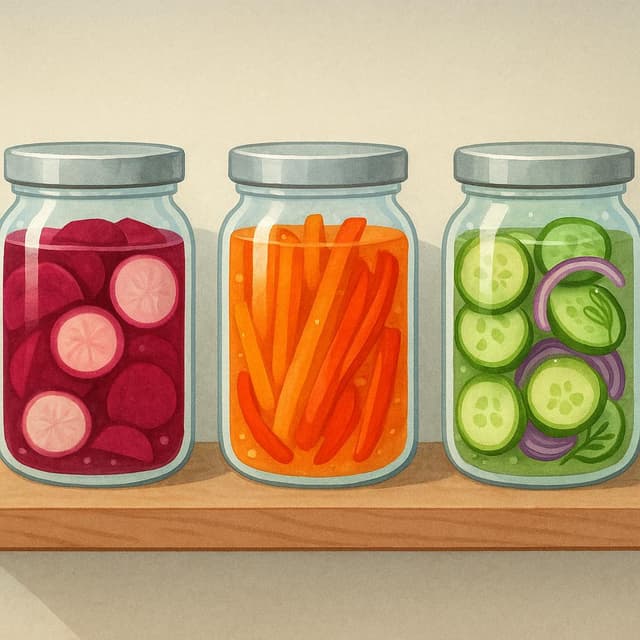
conservar — to preserve
Use 'conservé', 'conservaste', 'conservó', 'conservamos', 'conservasteis', 'conservaron' for completed past actions with 'conservar'.
conservar Preterite Forms
When to Use the Preterite
The preterite tense is used for actions that started and finished at a specific point in the past. With 'conservar', it's about the act of keeping or preserving something that is now complete.
Notes on conservar in the Preterite
Conservar is regular in the preterite tense. The stem is 'conserv-' and the standard -ar preterite endings are used.
Example Sentences
Ayer conservé solo dos galletas.
Yesterday I kept only two cookies.
yo
Tú conservaste el recibo por si acaso.
You kept the receipt just in case.
tú
Ella conservó la calma durante el incendio.
She maintained her calm during the fire.
él/ella/usted
Nosotros conservamos la esperanza hasta el final.
We kept hope until the end.
nosotros
Ellos conservaron la comida en el refrigerador.
They preserved the food in the refrigerator.
ellos/ellas/ustedes
Common Mistakes
Mistake: Using the imperfect ('conservaba') instead of the preterite ('conservé') for a single, completed act.
Correct: Use 'conservé' for a specific action that happened and ended.
Why: The preterite marks completion, whereas the imperfect describes ongoing or habitual past actions.
Mistake: Forgetting the accent on 'conservó' (él/ella/usted).
Correct: The form is 'conservó' with an accent on the 'o'.
Why: The accent distinguishes this form from the present tense 'conserva' and indicates the stressed syllable.
Master Spanish verbs in context
Memorizing tables only gets you so far. Read 200+ illustrated and narrated Spanish stories to see verbs like 'conservar' used naturally — in the tenses you're learning.
Related Tenses
Present
yo: conservo
Use 'conservo', 'conservas', 'conserva', 'conservamos', 'conserváis', 'conservan' for present actions, habits, and truths with 'conservar'.
Imperfect
yo: conservaba
Use 'conservaba' etc. for ongoing or habitual past actions and descriptions with 'conservar'.
Future
yo: conservaré
Use 'conservaré', 'conservarás', 'conservará', etc. for future actions or probability with 'conservar'.
Conditional
yo: conservaría
Use 'conservaría', 'conservarías', 'conservaría', etc. for hypotheticals ('would keep') and polite requests with 'conservar'.
Present Subjunctive
yo: conserve
Use 'conserve', 'conservemos', 'conserven' etc. for wishes, doubts, emotions, and uncertainty with 'conservar'.
Imperfect Subjunctive
yo: conservara
Use 'conservara' or 'conservase' (and variants) for past hypothetical or uncertain situations with 'conservar'.
Affirmative Imperative
yo: conserva
Use 'conserva', 'conserve', 'conservemos', 'conservad', 'conserven' for direct commands with 'conservar'.
Negative Imperative
yo: no conserves
Use 'no conserves', 'no conserve', 'no conservemos', 'no conservéis', 'no conserven' for negative commands with 'conservar'.